
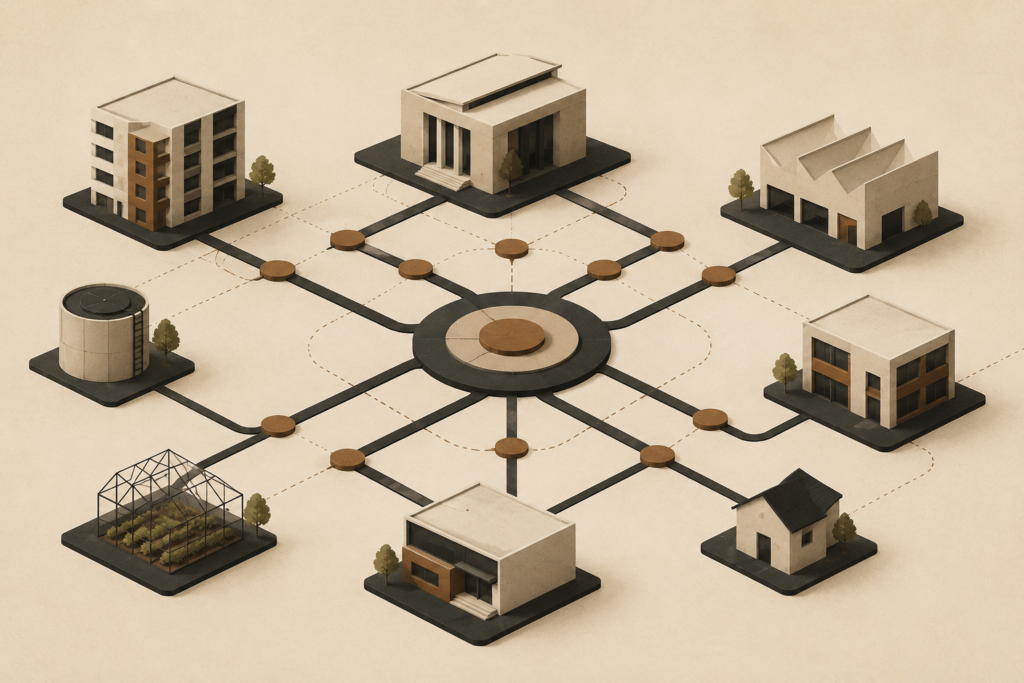
The Briefing: The Rise of Group Economics
Communities are reviving shared ownership, co-ops, and collective investment systems as economic pressure reshapes how stability is built.
Communities are reviving shared ownership, co-ops, and collective investment systems as economic pressure reshapes how stability is built.

You already have what it takes. Keep stacking proof. What Happens After We Spend? Every dollar tells a story. Community

Authentic writing lives in the cracks—where sentences wander, risks show, and the heartbeat escapes the rules. We trade too much life for polish. This piece argues for the return of the human pulse on the page, reminding us that truth stumbles before it sings.
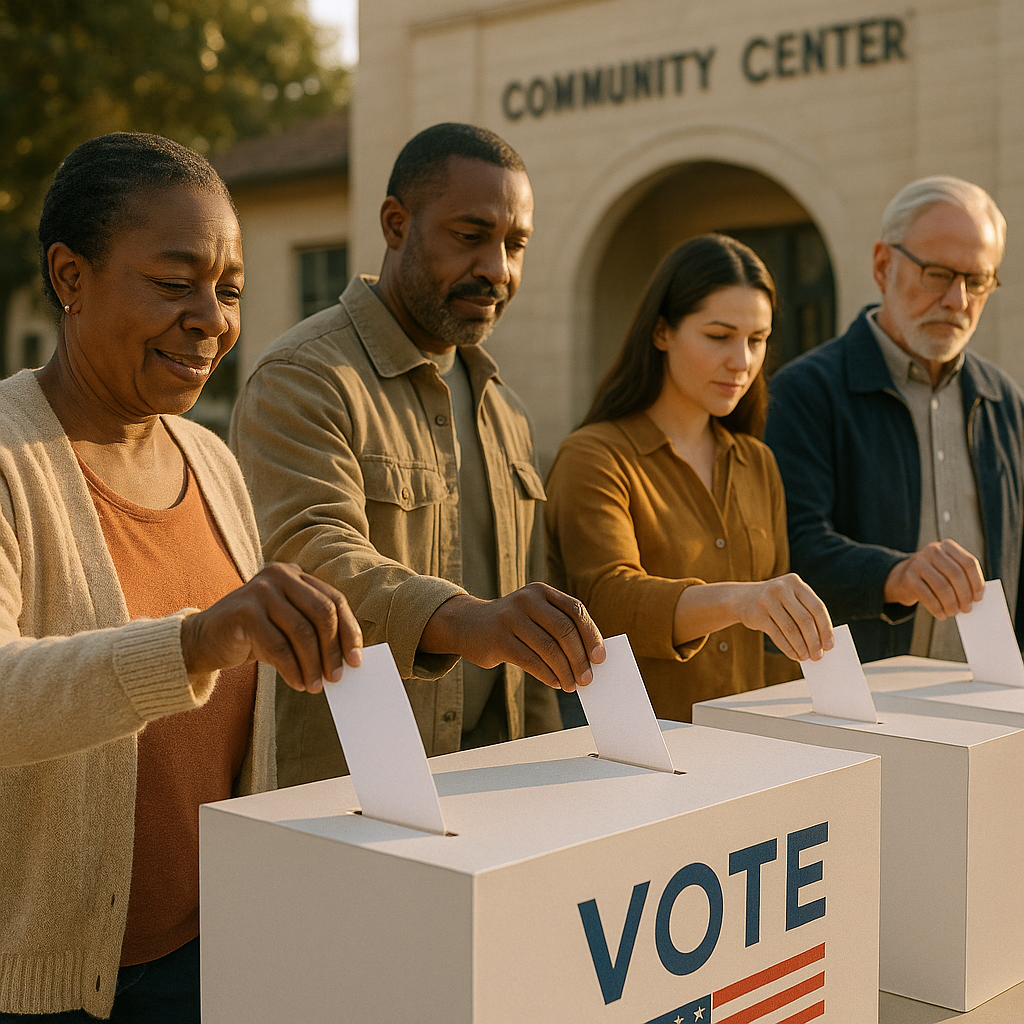
Some choices carry weight. Others disappear without impact. A ballot is not just a list. It is a structure. What gets selected rises. What gets ignored flattens into the background. Over time, patterns form. Priorities become visible. Neglect becomes measurable. Influence is not declared. It is built, line by line, decision by decision. What you choose to elevate determines what stands.

Family resilience is not simply a matter of culture or personal responsibility. It is shaped by public policy, economic opportunity, housing, education, and the community institutions that surround the home. This article explores why policy functions as parenting at scale, how families adapt under structural pressure, and what stronger civic systems can do to build lasting stability.
Black Logic exposes a hard truth: repeated outcomes are not accidents—they are designed. Systems produce what they reward and tolerate. If a result persists, it is serving a function. This principle shifts focus from blame to structure, revealing the incentives that drive behavior and the rules that keep outcomes repeating.

Borrowed urgency begins when another person’s preferred timeline starts feeling like your obligation. The pressure may be real, but that does not mean the clock belongs to you.

The discipline dividend is the hidden return created by repeated structure. Over time, organized behavior compounds into stability, optionality, and financial leverage.

Discipline protects freedom by giving choice a structure strong enough to last. Without order, freedom becomes drift. With structure, freedom becomes direction.

Pander economics explains how approval becomes currency. Platforms reward comfort, audiences reward affirmation, and creators adjust until truth becomes optional.

Men who build protect legacy through discipline, faith, and intention. Real leadership is stewardship—of words, seed, money, and the future.
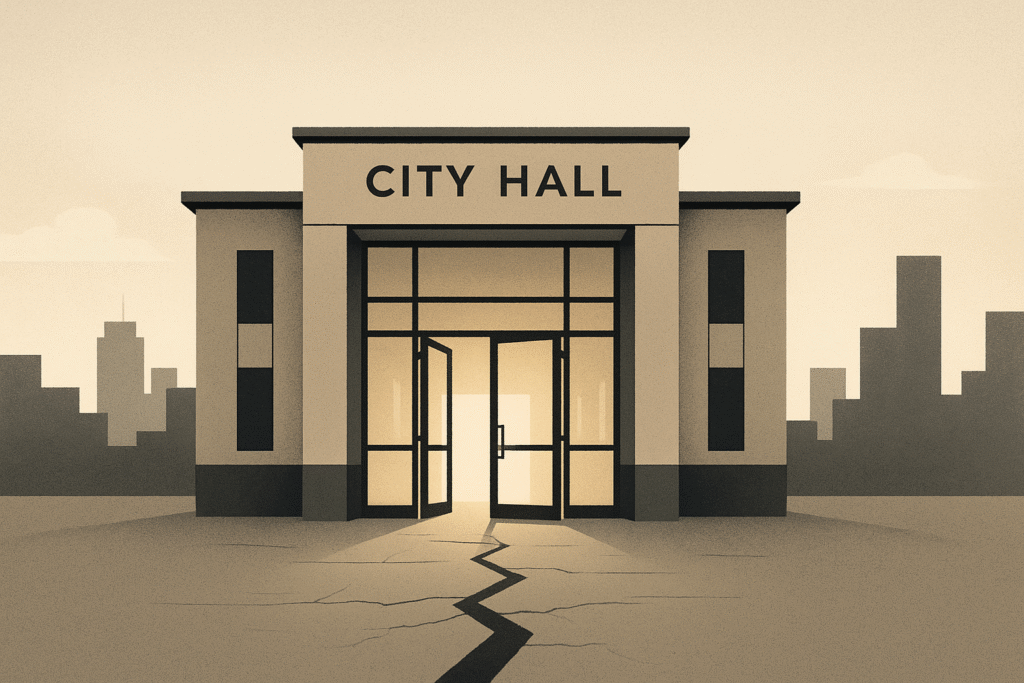
Public trust in government declines when civic systems become opaque. Transparency, accountability, and citizen participation rebuild confidence by making decisions, budgets, and outcomes visible to the communities they serve.