

The Rational Field: Automation Without Accountability
Automation without accountability turns efficiency into authority. When systems decide without ownership, responsibility quietly disappears.
Automation without accountability turns efficiency into authority. When systems decide without ownership, responsibility quietly disappears.

Organizations publish values. Systems reward behavior. When incentives contradict declared principles, cultural drift begins. Trust erodes quietly as people study what is rewarded rather than what is preached. Long-term stability depends on structural alignment between values and incentives.

Reform is not free. Real change requires labor, oversight, training, systems, and capital to turn new standards into durable institutional capacity.

The porch does not lie. When outcomes repeat, it is not because nobody knew. It is because structure was ignored in favor of hope, rhetoric, and convenience.

Boundaries are not threats or negotiations. They are quiet decisions backed by action, not repeated explanations.

Transparency without enforcement creates visibility without reliable consequence. This System Updates analysis explains why real accountability requires authority, defined consequences, corrective action, and follow-through—not disclosure alone.
Incentives shape behavior long before values are declared. When rewards and enforcement patterns repeat, they harden into norms. Over time, those norms become culture. Culture forms whether leaders design it or not. The only question is whether incentives align with long-term stability.

The Accountability Framework is a four post sequence on structural accountability. It explores care, correction without shame, clear standards, and early warning signs of breakdown. Together, these pieces offer a maintenance plan for relationships, teams, and commitments that are built to last, not just survive crises.
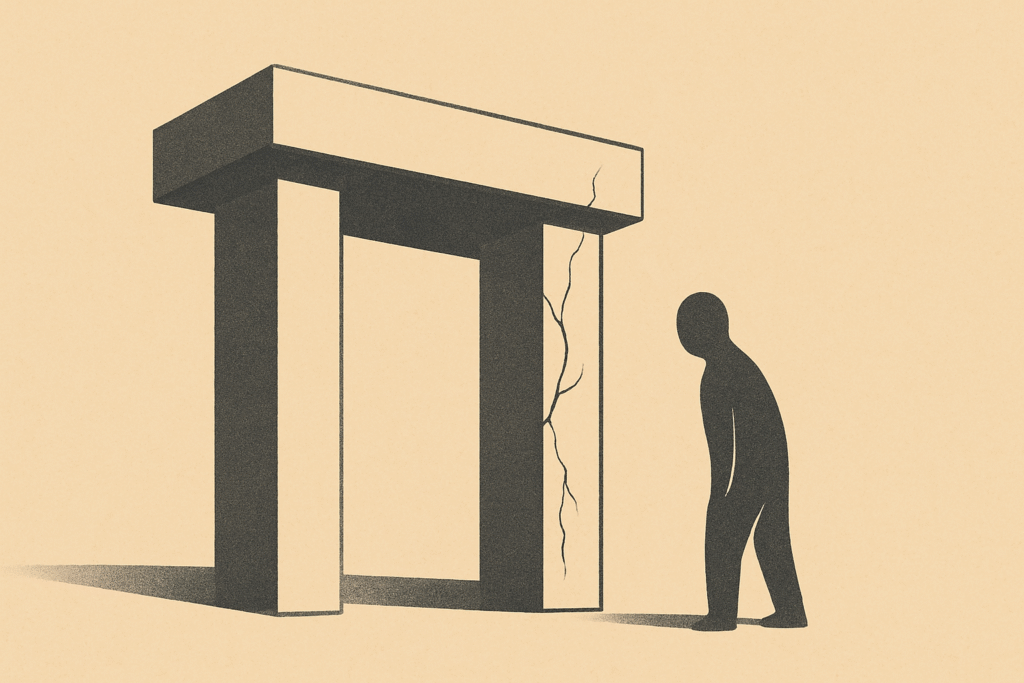
A system rarely collapses without warning. The first signs are small: silence, drift, missed commitments, and quiet workarounds. These subtle shifts reveal where trust is thinning and where structural attention is overdue. Early maintenance protects the long-term strength of any relationship, team, or commitment.

Leadership fails most often where obligation is assumed but never defined. People speak about vision, influence, and presence. They talk

Standards look like progress. Infrastructure does the work. When institutions enforce rules without building support, failure does not announce itself. It spreads quietly.

Apologies acknowledge harm. Repairs change behavior. When words replace action, relationships stall and emotional labor quietly shifts to one side.