

The Rational Field: When No One Is Responsible, Everyone Pays
Shared accountability emerges when responsibility is diffused across systems. When no one owns decisions, the costs are paid collectively.
Shared accountability emerges when responsibility is diffused across systems. When no one owns decisions, the costs are paid collectively.

Most institutions avoid succession planning until it becomes unavoidable. That delay turns continuity into crisis. Durable organizations design leadership transition early, quietly, and intentionally.
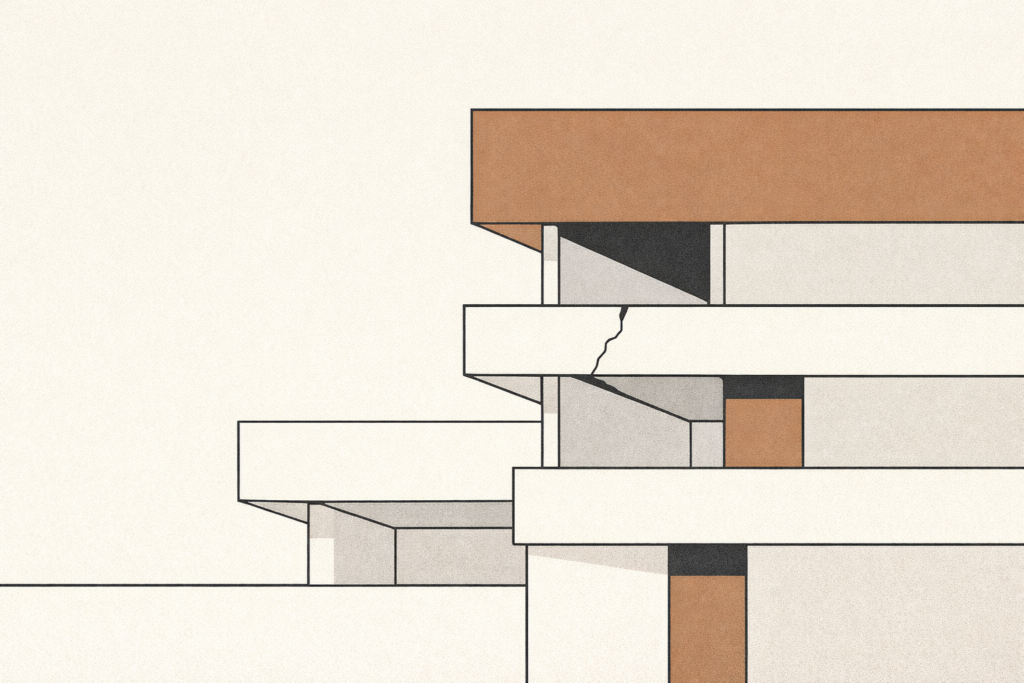
Deferred maintenance is not a budgeting mistake. It is a risk transfer strategy that rewards delay, hides true costs, and pushes consequences into the future. Over time, that quiet deferral becomes a moral hazard—one where institutions benefit now while the public pays later.
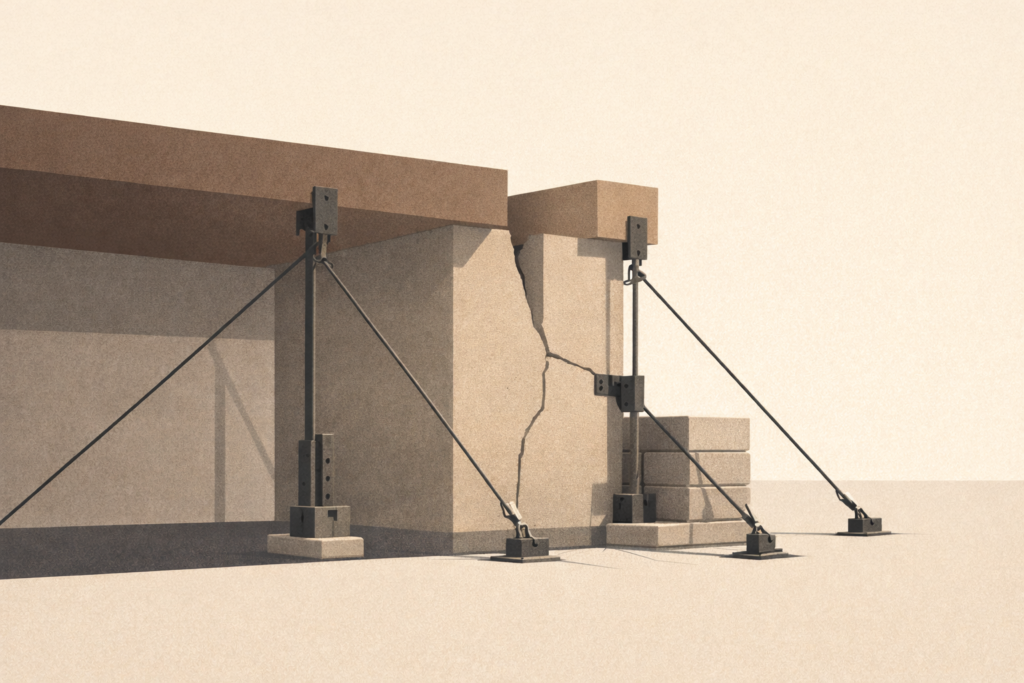
The price of stability is often higher than repair. This post explains why people defend broken systems even when the cost keeps rising.

Boundaries are not polite requests or emotional ultimatums. They are clear instructions backed by follow-through. When boundaries are treated as suggestions, confusion replaces accountability and enforcement disappears.

There is a moment when speaking up can still change the shape of things. After that moment passes, silence stops being neutral and becomes a cost that compounds quietly.

Automation without accountability turns efficiency into authority. When systems decide without ownership, responsibility quietly disappears.

Organizations publish values. Systems reward behavior. When incentives contradict declared principles, cultural drift begins. Trust erodes quietly as people study what is rewarded rather than what is preached. Long-term stability depends on structural alignment between values and incentives.
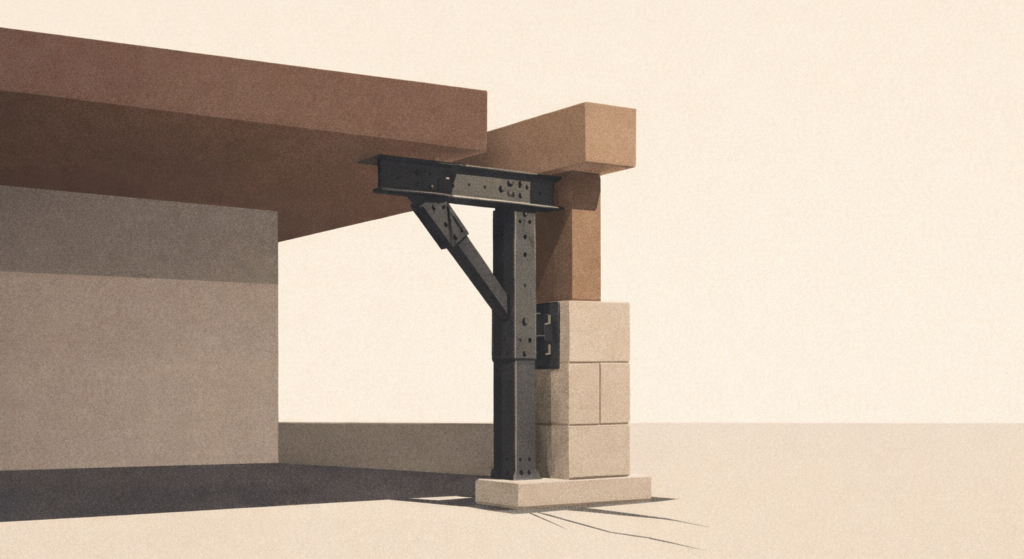
Reform is not free. Real change requires labor, oversight, training, systems, and capital to turn new standards into durable institutional capacity.

The porch does not lie. When outcomes repeat, it is not because nobody knew. It is because structure was ignored in favor of hope, rhetoric, and convenience.

Boundaries are not threats or negotiations. They are quiet decisions backed by action, not repeated explanations.

Transparency without enforcement creates visibility without reliable consequence. This System Updates analysis explains why real accountability requires authority, defined consequences, corrective action, and follow-through—not disclosure alone.