

How to Deal with Distraction and Stay Focused
Learning how to deal with distraction and stay focused is not about willpower. It is about protecting attention so progress can actually happen.
Learning how to deal with distraction and stay focused is not about willpower. It is about protecting attention so progress can actually happen.

Not all pressure leaves when intensity ends. Residual pressure remains subtle, shaping response long after conditions appear stable.
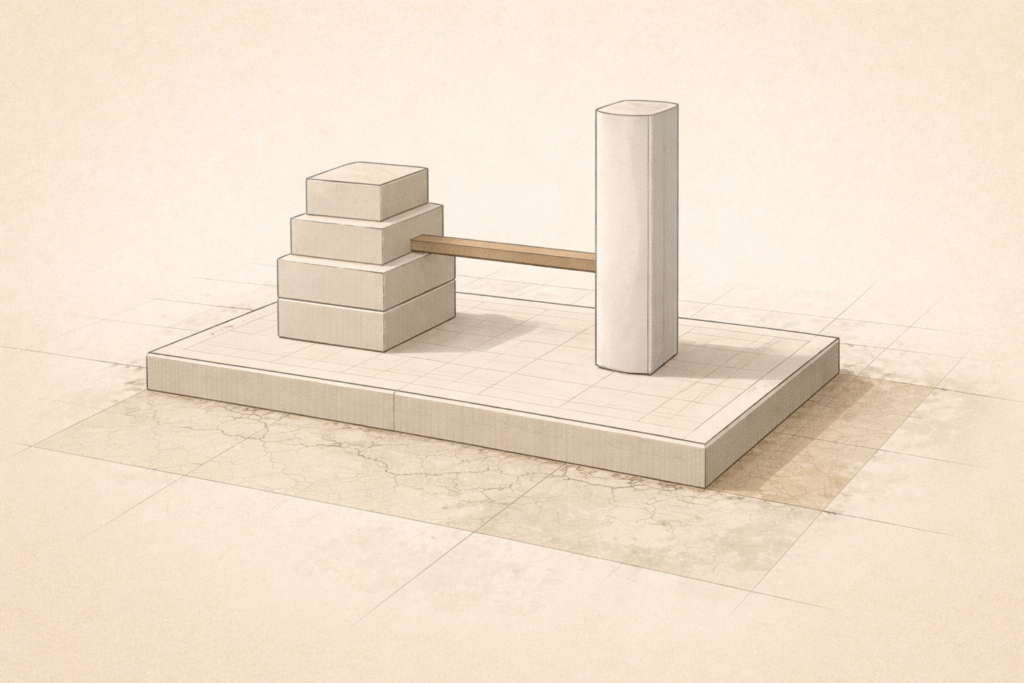
The psychology of ethnic identity formation reveals how pride can strengthen belonging without turning into contempt. Healthy identity integrates history, difference, and social cohesion.
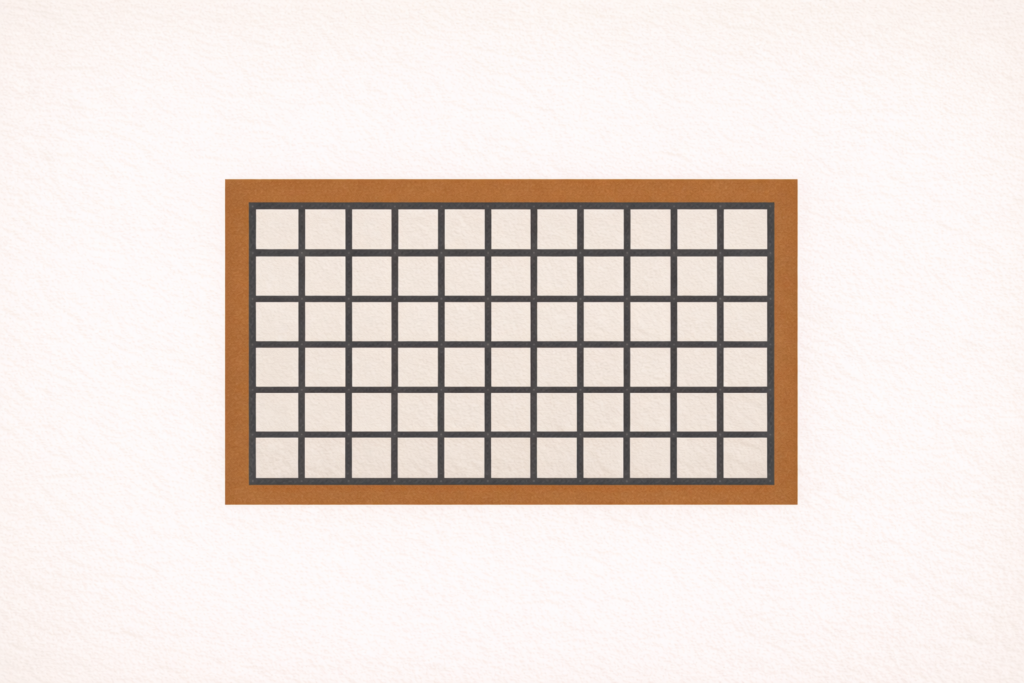
Exceptions quietly dismantle systems. Once rules bend for convenience, standards lose authority. Stability requires consistency, not discretion.

Correction is not a sign of failure. It is how strong systems maintain stability. When small structural problems are identified early and addressed with discipline, the integrity of the entire framework remains intact.

Building discernment is not about instinct alone. It is trained through better questions, daily review, and repeated judgment.
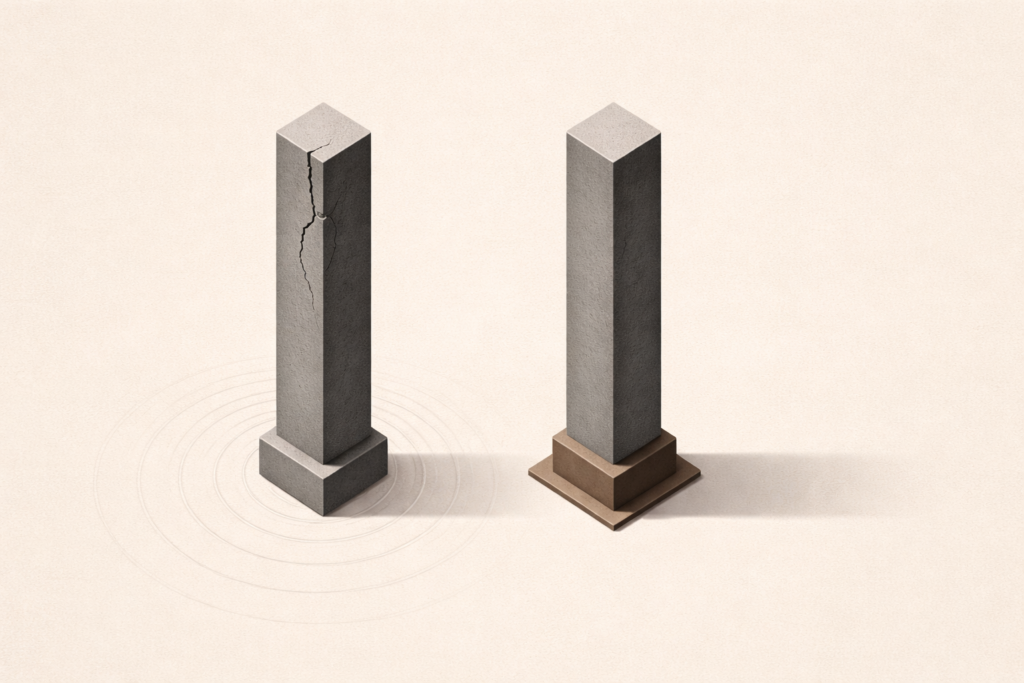
Validation-seeking can originate in trauma, but it can also signal an identity deficit. Learn the psychological difference between survival-based approval patterns and underdeveloped self-definition — and how to rebuild internal structure.
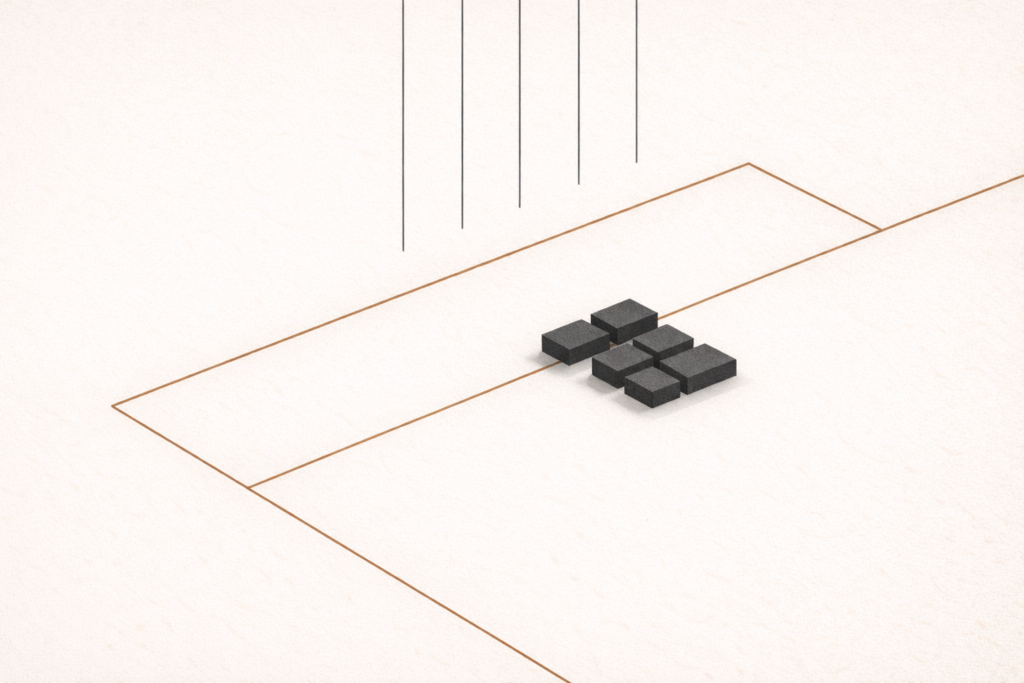
Compressed response windows reward emotion. Expanded response windows reward clarity. Install a minimum delay today.

The work is yours. The timing is not. A reminder that discipline requires effort, but peace requires trust in the season.
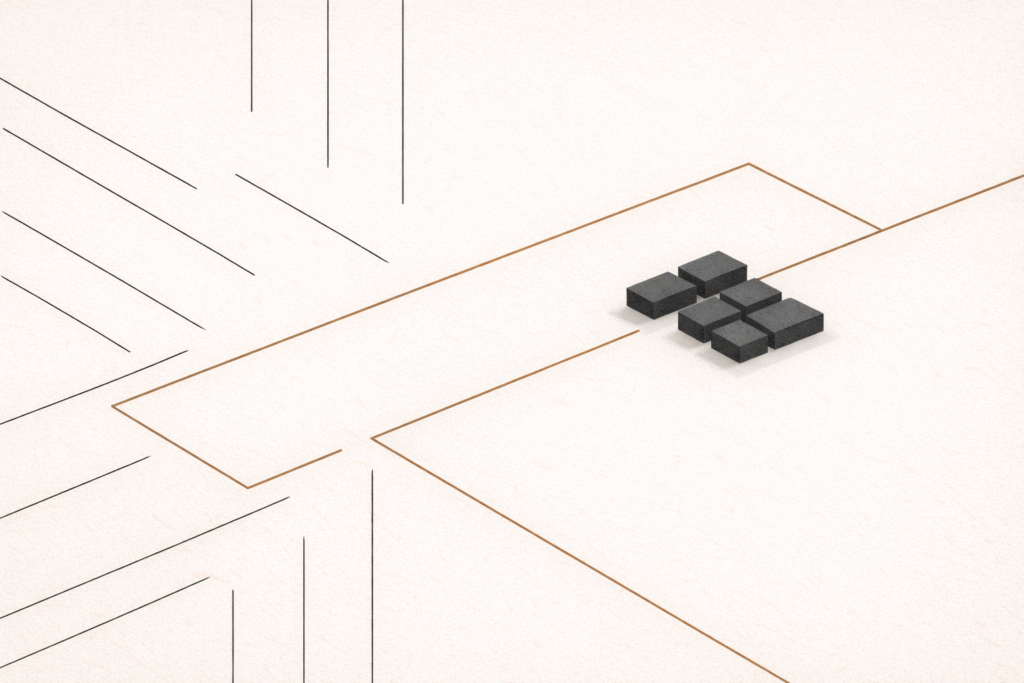
Threshold failure begins when everything is allowed inside without evaluation. Discipline starts with controlled entry.
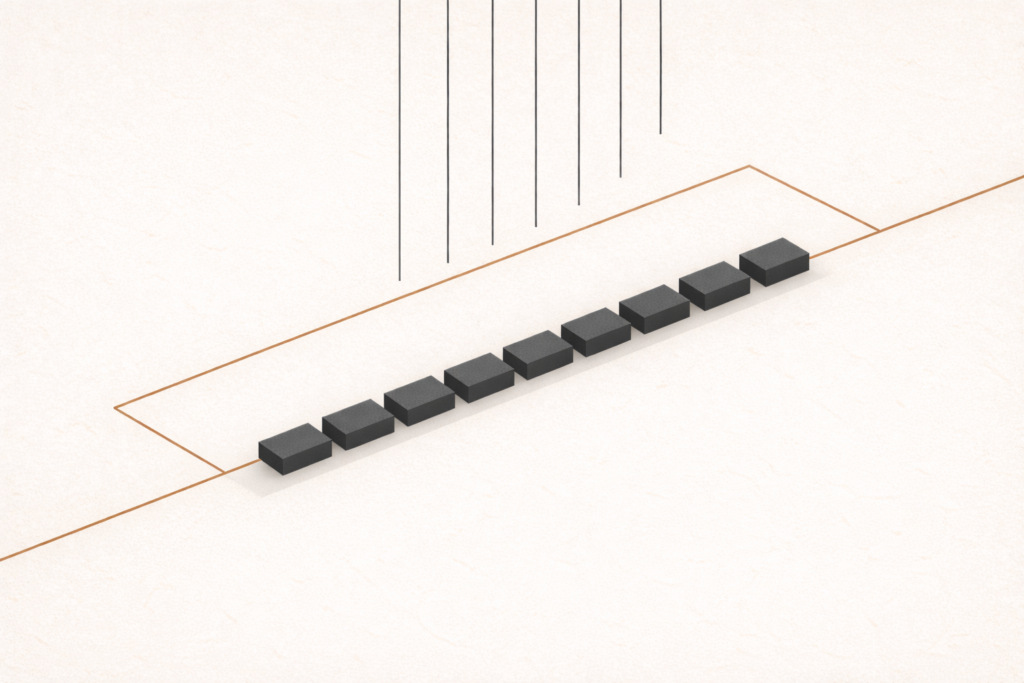
Urgency bias rewards reaction and punishes reflection. Protect decision space before noise displaces strategy.
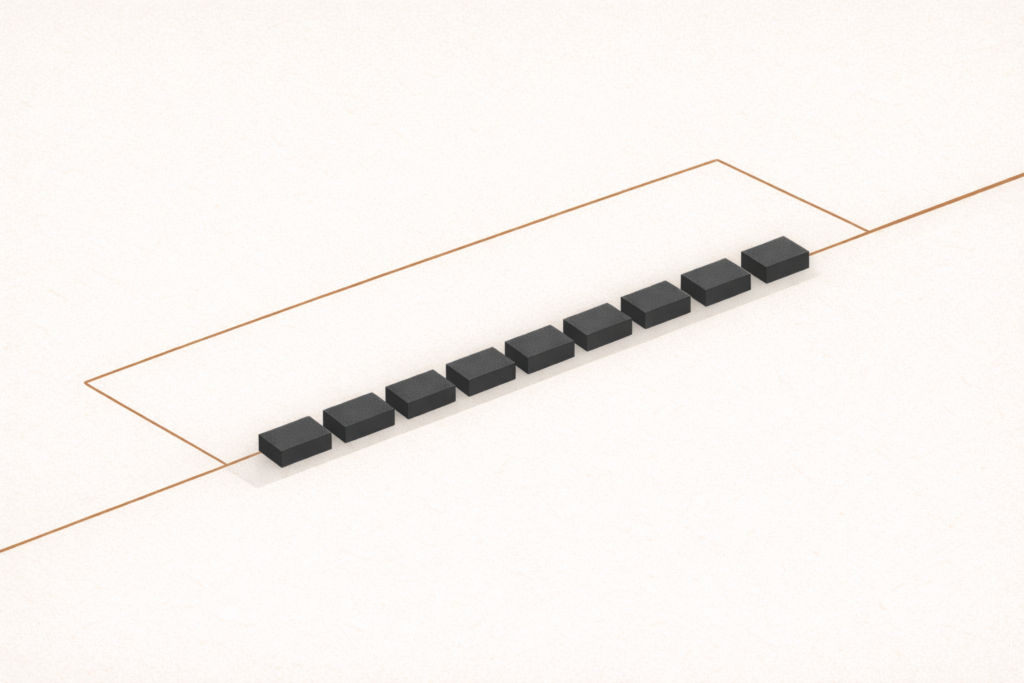
Margin absorbs friction. When it disappears, fragility replaces strength. Protect recovery space before pressure exposes the weakness.