

I Had to Admit I Was Emotionally Undisciplined
A personal essay about emotional discipline, self-audit, and the quiet work of rebuilding internal order without shame.
A personal essay about emotional discipline, self-audit, and the quiet work of rebuilding internal order without shame.
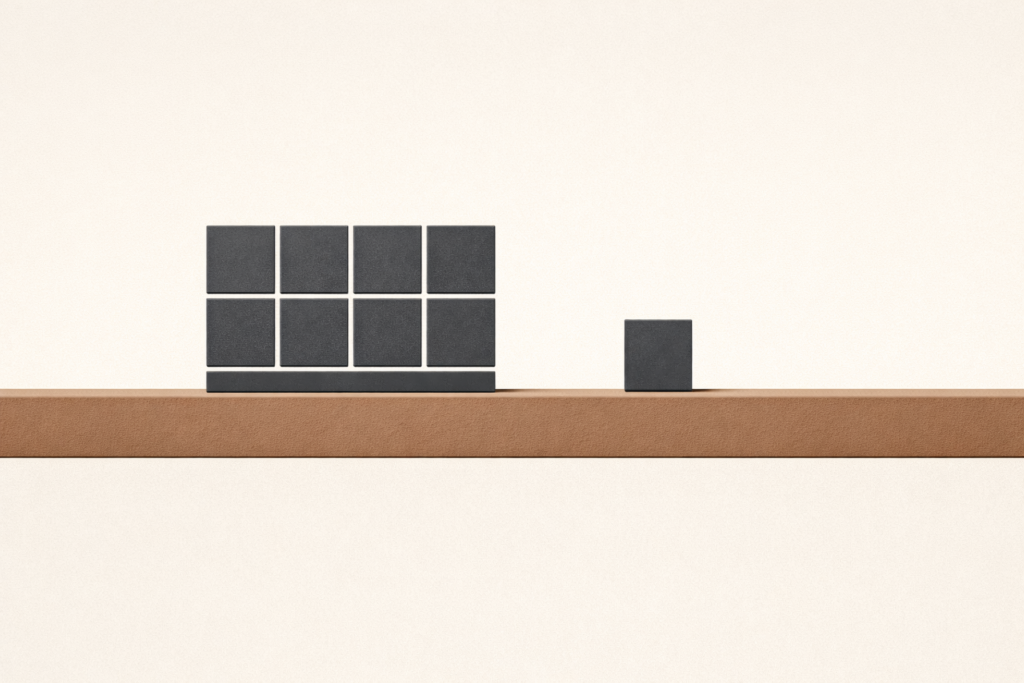
Disciplined surrender means doing what is yours to do and releasing what is not. Peace returns when responsibility replaces obsession.
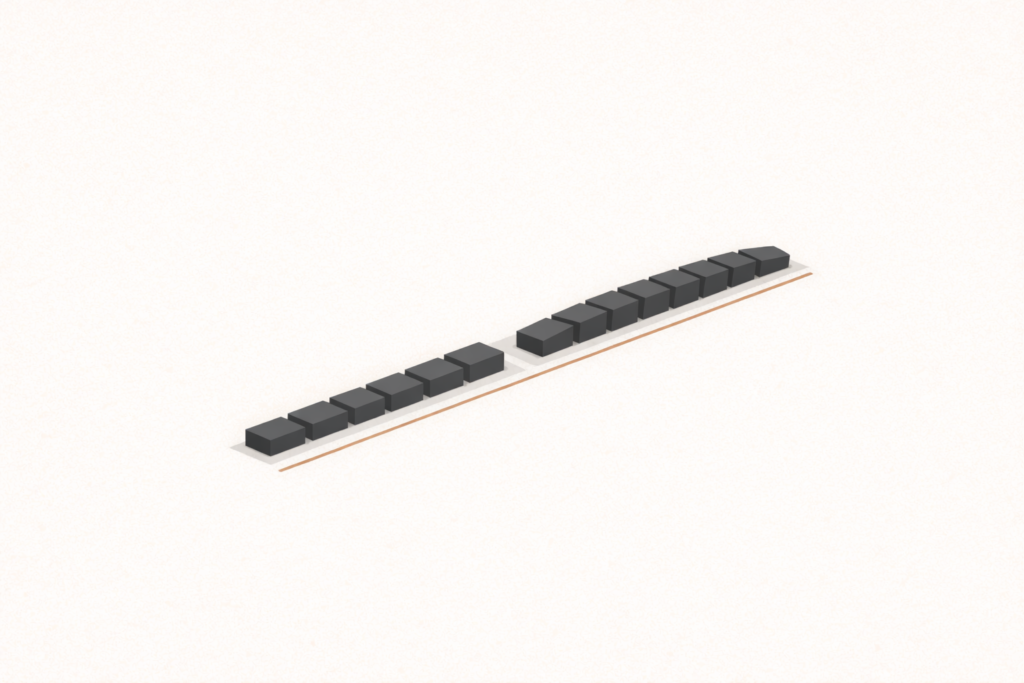
Overcommitment looks productive but functions as structural strain. Sustainable systems operate within load limits, not beyond them.
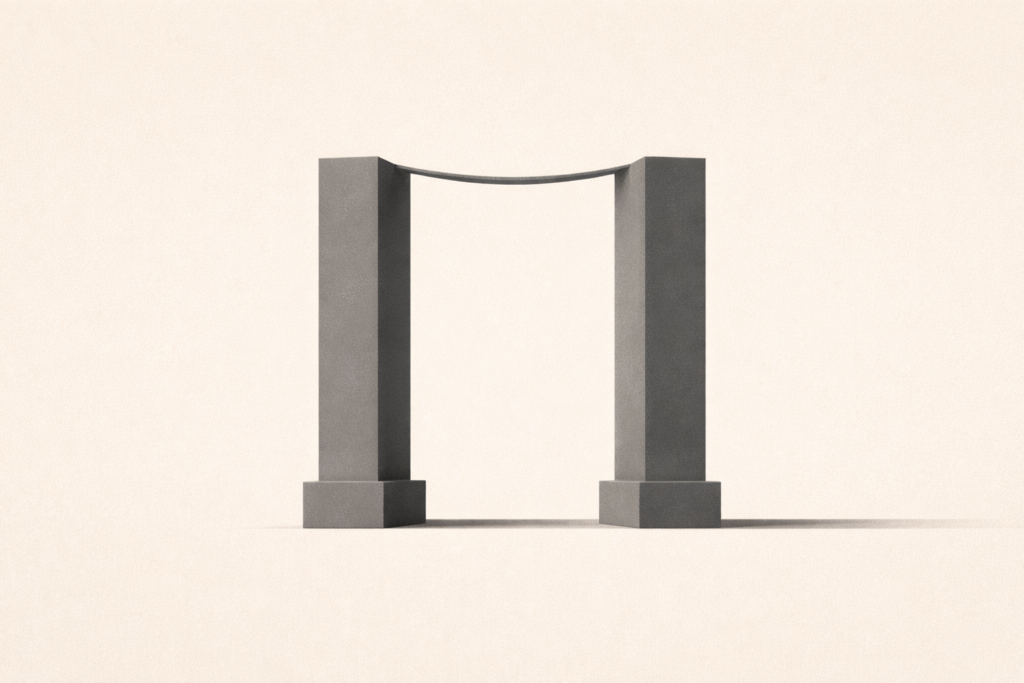
Why healthy relationships slowly fall apart is rarely about a single event. It is gradual drift. Conversations avoided. Boundaries softened. Effort imbalanced. Small disciplines abandoned until stability erodes quietly.
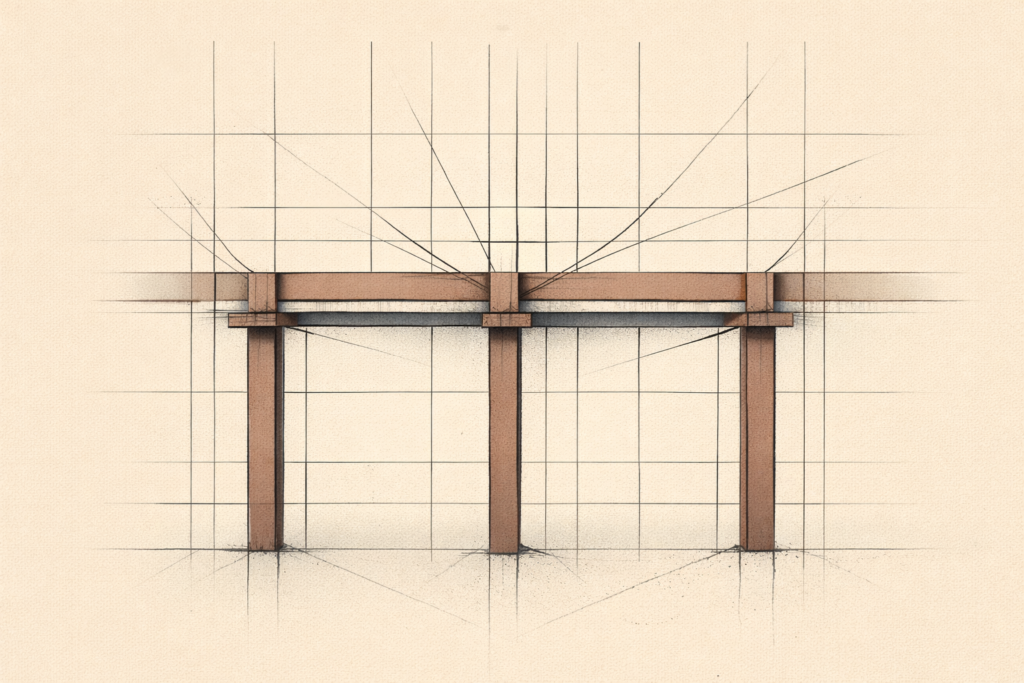
The February 2026 Groundwork Report applies pressure to January’s foundation, escalating the conversation on discipline, ownership, civic power, and structural accountability.
Weak points do not become strong through attention. Remove the weak point and let the system stabilize through redistributed load.
Presence is not volume, intimidation, or performance. It is what people can see when standards, restraint, and self-command have been practiced long enough to become ordinary.
When mood determines output, stability collapses. Remove the mood standard and execute from principle instead of feeling.

Not all quiet is stability. Some calm is simply pressure held in place. This report explains how to tell the difference.

Restarting is often avoidance. Remove the restart mindset and continue forward with structure.

Stability is a requirement, not a request. Durable systems in life, leadership, and finance are built through structure, standards, and disciplined repetition—not emotion or hope.

Emotional restraint is not suppression; it is strength under control. In a culture that rewards loud reactions, disciplined calm becomes rare power. Wisdom grows in the pause between impulse and response.