governance

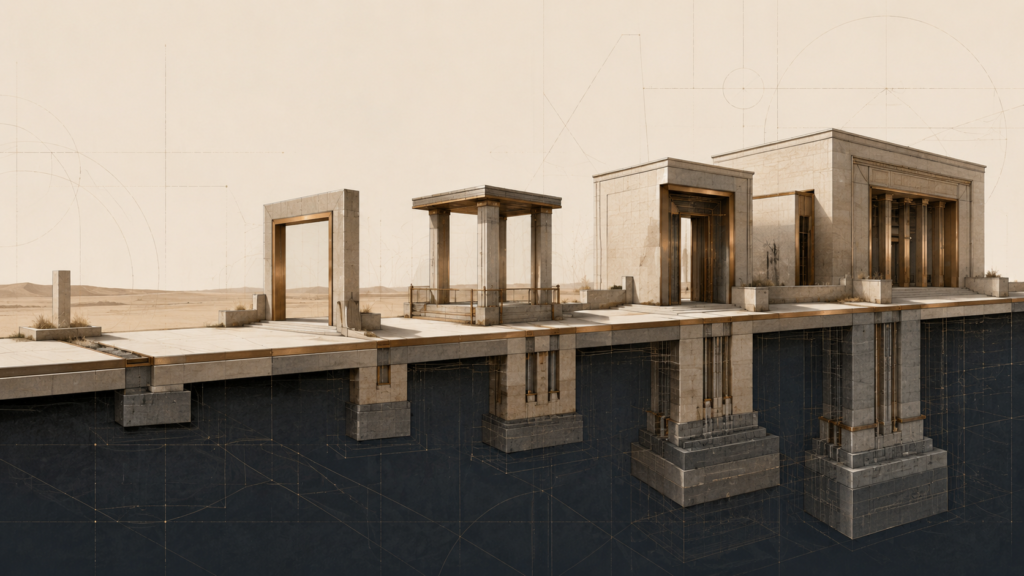
Architectural illustration depicting a constitutional checkpoint leading to a protected civic chamber, symbolizing Miranda rights, custodial interrogation, and Fifth Amendment safeguards.
Civic Power & Policy

Miranda Rights Explained

Miranda rights protect people during custodial interrogation by requiring police to provide specific constitutional warnings before questioning. Understanding Miranda rights explains when warnings are required, when they are not, and how the Fifth Amendment limits government questioning.

Architectural illustration showing progressively protected constitutional layers representing the Fifth Amendment, custodial questioning, and the right against compelled self-incrimination.
Civic Power & Policy

Fifth Amendment Rights Explained

The Fifth Amendment protects people from compelled self-incrimination and guarantees important constitutional safeguards during criminal proceedings. Understanding Fifth Amendment rights explains when you may remain silent, how government questioning is limited, and why constitutional protections matter long before a case reaches a courtroom.

Architectural illustration showing four progressively protected constitutional layers, from open public space to the highest expectations of privacy, with deeper structural foundations representing stronger Fourth Amendment protections.
Civic Power & Policy

Fourth Amendment Rights Explained

The Fourth Amendment protects people from unreasonable searches and seizures while placing constitutional limits on government authority. Understanding Fourth Amendment rights explains how police encounters, warrants, searches, and personal privacy fit within America’s constitutional framework.

Architectural systems illustration showing the constitutional escalation from a voluntary encounter to reasonable suspicion, a protective frisk, probable cause, and arrest through progressively reinforced civic structures.
Civic Power & Policy

Terry Stop Rights Explained

A Terry stop allows police officers to briefly detain someone based on reasonable suspicion rather than probable cause. Understanding Terry stop rights explains when police may stop and frisk someone, what the Fourth Amendment permits, and where constitutional limits on government authority begin.

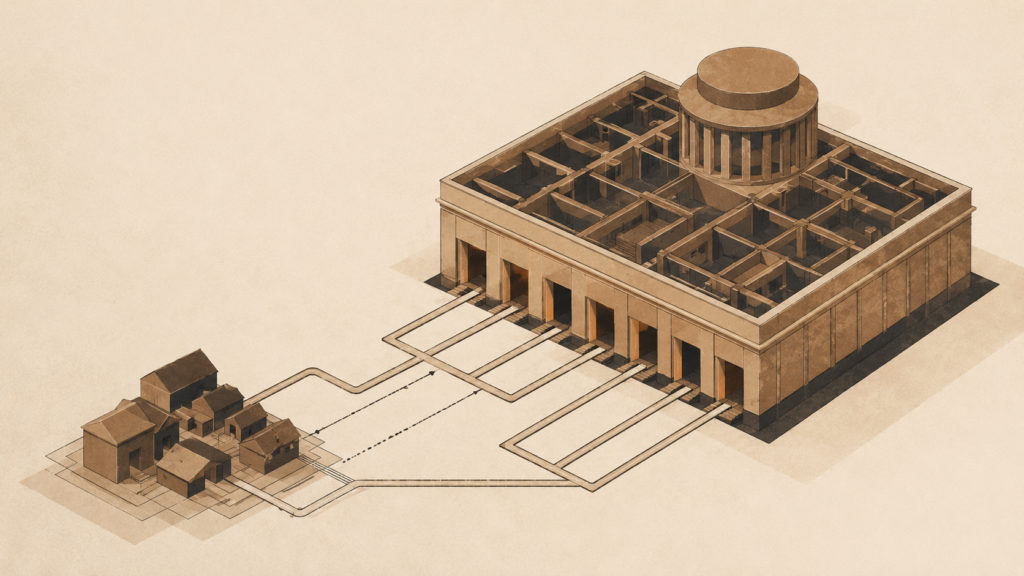
Interconnected sections of a civic structure carrying one continuous pathway through multiple stages, illustrating how institutions translate decisions into coordinated action.
Civic Power & Policy

Why Institutions Translate Before They Act

Institutions rarely move the moment something happens.

They translate first. They convert pressure into language, language into process, and process into action. This piece explains why institutional delay is often not hesitation but structured interpretation and why understanding that translation layer changes how we read public decisions.

Scroll to Top