

How to Build a Sustainable Health System for a Busy Life
A sustainable health system does not require your life to slow down. Build health habits around real constraints, protect capacity, catch drift early, and know when to escalate.
A sustainable health system does not require your life to slow down. Build health habits around real constraints, protect capacity, catch drift early, and know when to escalate.

A search warrant gives police important legal authority, but it does not permit an unlimited search. Learn how search warrants define where officers may search, what they may seize, and why constitutional limits still apply.

A collection preserves objects. An institution preserves purpose. Learn the governance, funding, succession, and accountability systems that transform a collection into an institution capable of serving future generations.
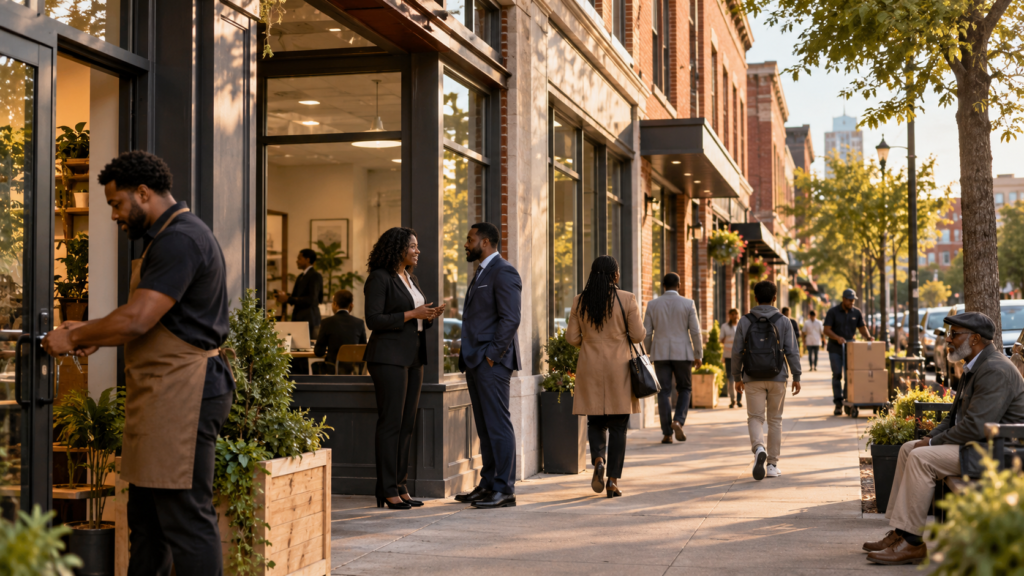
Individual success matters, but durable progress requires more. Black community institutions convert achievement, capital, knowledge, and ownership into capacity that can survive individuals, withstand pressure, and create greater negotiating power.

Most cultural archives do not fail because records disappear. They fail when governance, documentation, funding, succession, and institutional knowledge quietly break down while the collections themselves remain intact.

When institutions leave an information vacuum, the public no longer waits quietly. The Nolan Wells case shows how social media can become an investigative network, and why that power requires evidence, restraint, and accountability.

An arrest warrant and a search warrant are not the same thing. Learn when police may enter a home with an arrest warrant, what they may search, and where constitutional limits still apply.
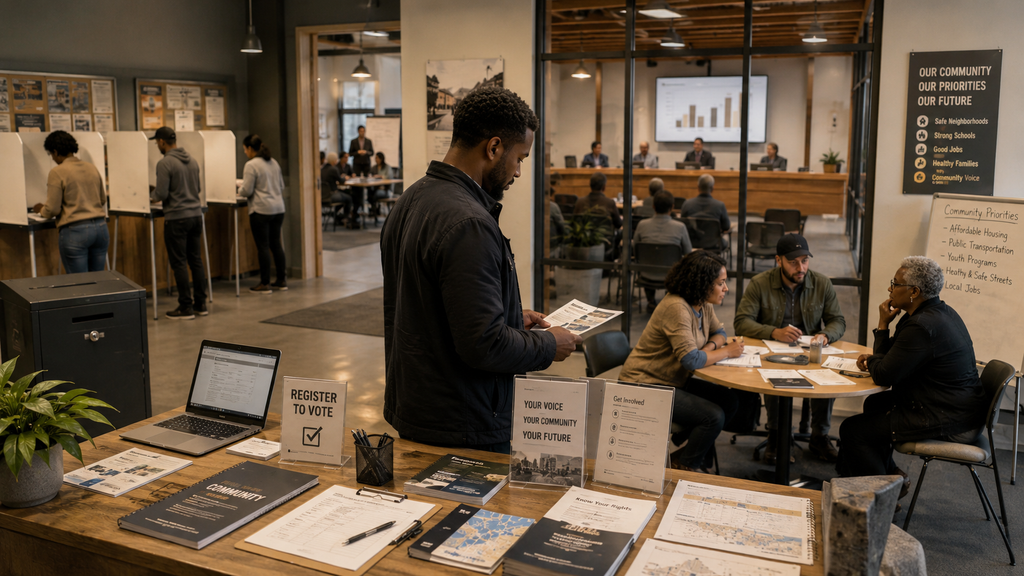
Election Day is only one moment in the civic system. Voter registration, access, information, participation, representation, and accountability determine whether political voice becomes durable civic power.

Learning how to build a community archive requires more than collecting records. Discover the governance, preservation, funding, rights, access, and succession systems that allow community archives to remain trusted across generations.

Exigent circumstances are one of the most important exceptions to the Fourth Amendment’s warrant requirement. Learn what qualifies as a true emergency, why the exception exists, and the constitutional limits that prevent abuse.

The Fourth Amendment provides the strongest constitutional protection to the home, but there are limited situations where police may legally enter without a warrant. Learn the constitutional exceptions, why they exist, and what they do—and do not—allow.

Reasonable suspicion and probable cause are two of the most important legal standards in American constitutional law, yet they are often confused. Understanding the difference explains when police may briefly detain someone, conduct a protective frisk, make an arrest, or perform a search under the Fourth Amendment.