

Freedom Under Pressure: Haiti and the First Break from Empire
The Haitian revolution system was not just a revolt. It was a full break from colonial control that reshaped power, freedom, and consequence.
The Haitian revolution system was not just a revolt. It was a full break from colonial control that reshaped power, freedom, and consequence.

The United States will resist a sovereign wealth framework not because it cannot build one, but because it is not structured to sustain the discipline it requires.
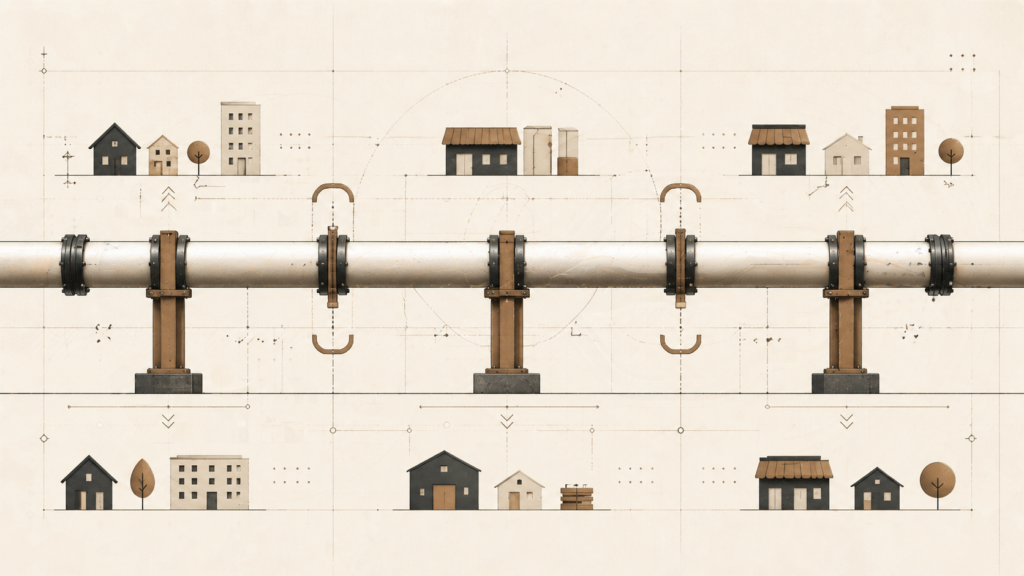
SNAP is not broken by accident. It is designed without automatic protection. A resilient system would guarantee continuity, reduce friction, and stabilize households under pressure.

The skilled worker economy is returning as labor shortages, infrastructure demands, and apprenticeship expansion reshape how societies value practical skill. Capability, not credentials alone, is becoming the foundation of economic resilience.

Workforce policy is rarely treated as infrastructure, yet it determines how people enter skilled work and how economies build the labor capacity they depend on.

Emotional strength is not volume. It is order. Before reaction becomes reflex, there is a pause. Soul Commentary begins in that quiet space where structure holds emotion steady and clarity replaces impulse.
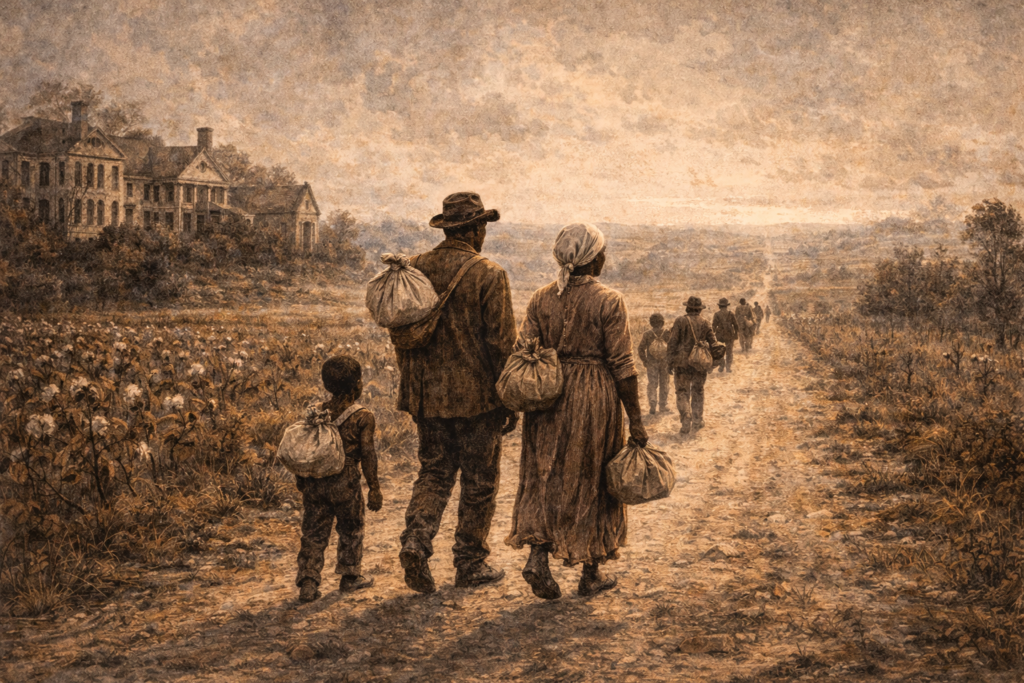
Freedom ended slavery in 1865, but it did not immediately end hunger. Without land, capital, or economic security, many newly freed families faced the difficult task of building a life from almost nothing.
Emancipation promised freedom, but many newly freed families faced hunger, uncertainty, and landlessness. A reflection on what freedom meant when survival still depended on work, land, and economic security.
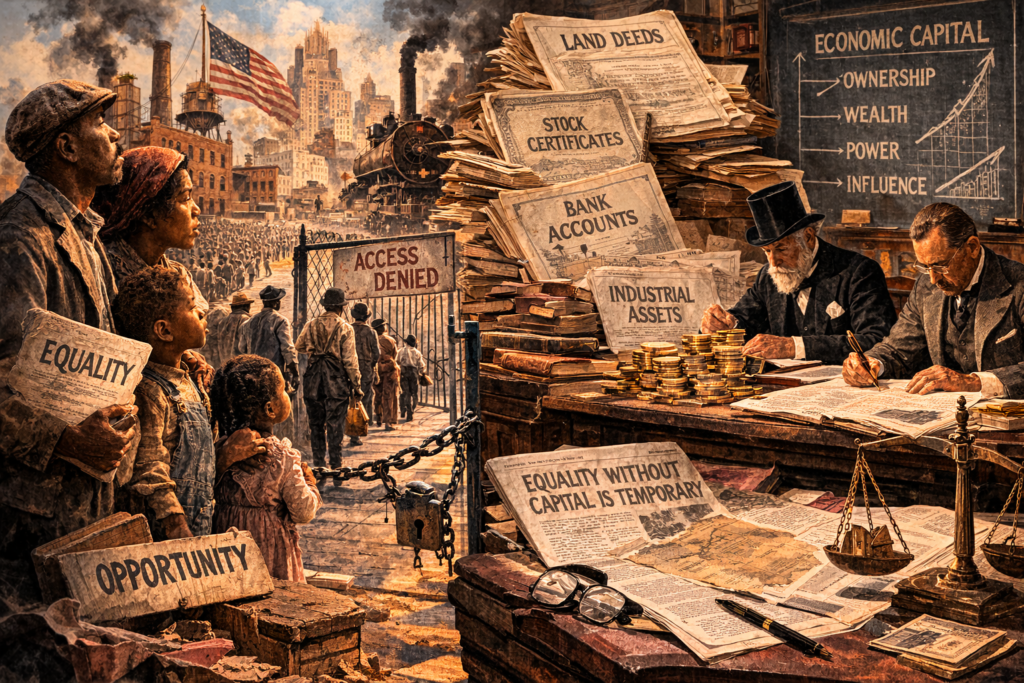
Capital Before Equality examines the gap between formal rights and economic capacity. Equal access matters, but ownership, assets, leverage, and resilience often determine how much opportunity people can actually convert into long-term stability.
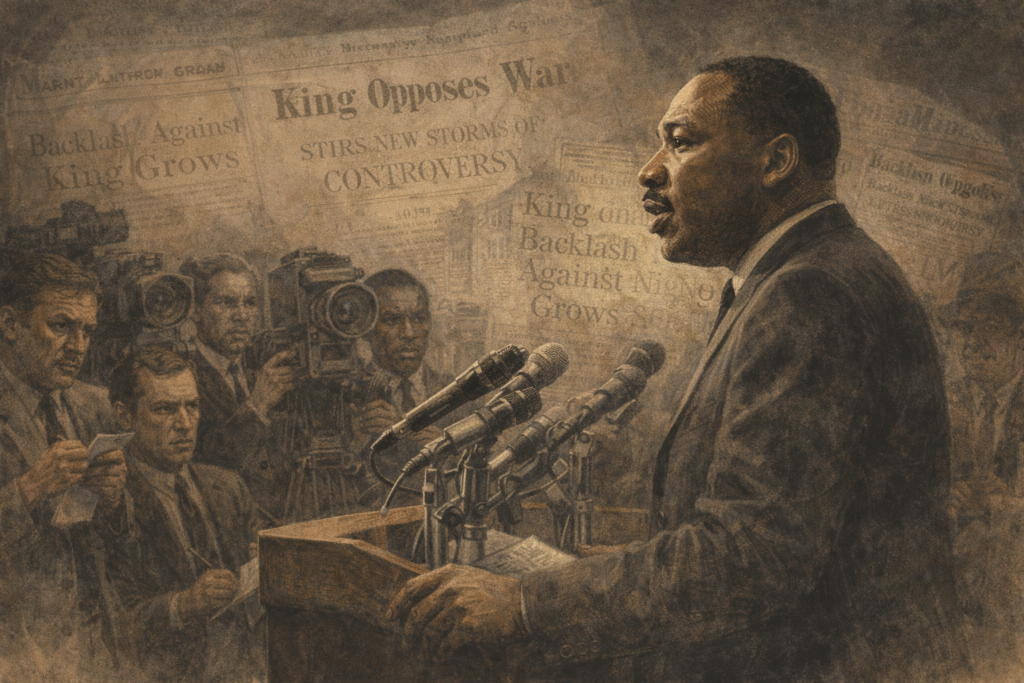
Why did Martin Luther King Jr. face broader opposition after 1965? His later work moved beyond segregation into housing, poverty, labor, Vietnam, and economic power. Understanding that expansion reveals a more complete picture of King’s final years.
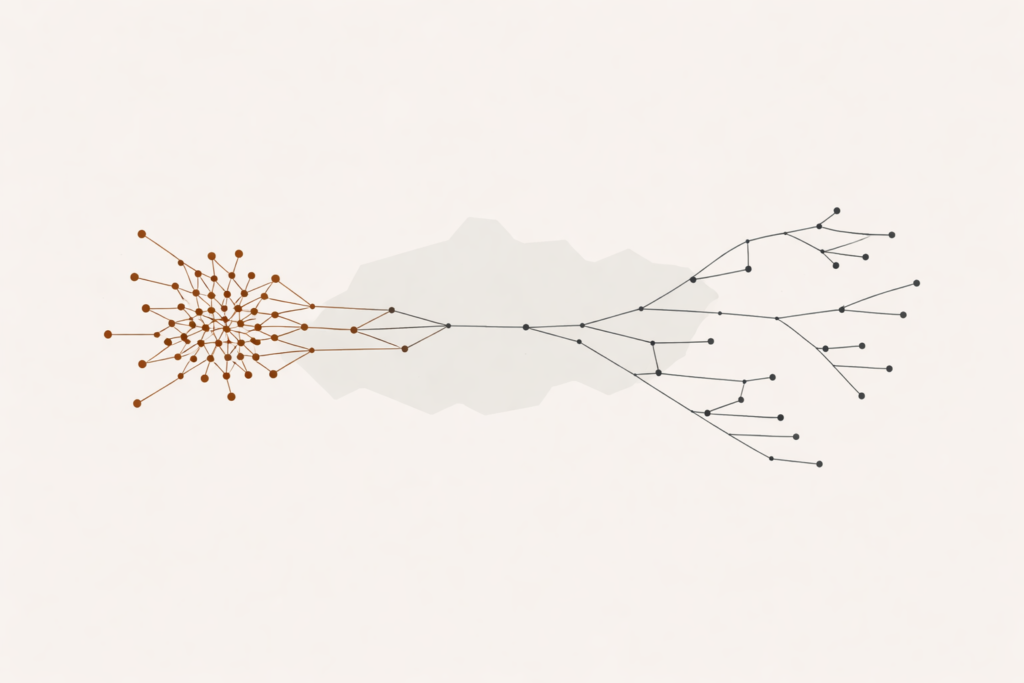
What causes migration? Economic conditions, conflict, family networks, policy, environmental pressure, and opportunity often interact. This article maps the system that turns those forces into movement.
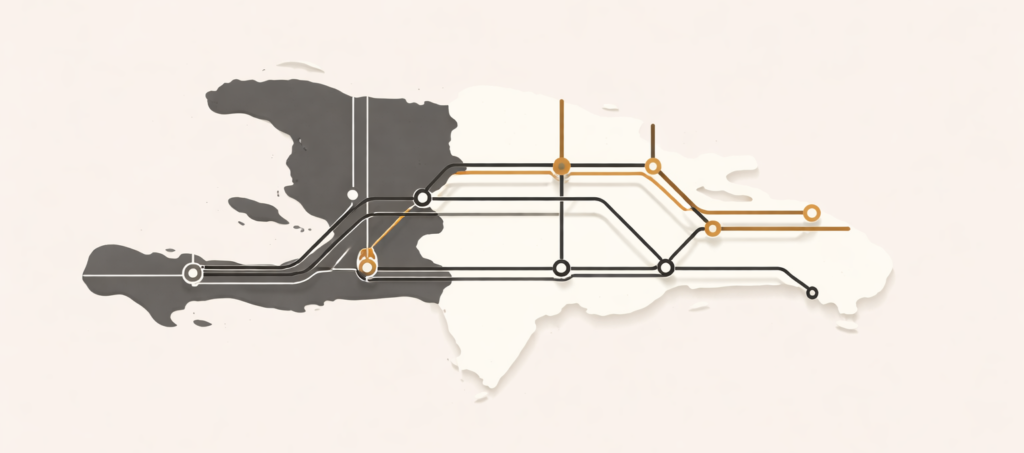
Two governance systems operating on the same landmass create friction, constraint, and inefficiency. This diagram visualizes how misaligned systems produce pressure points instead of stability.