
The Body Keeps Receipts: How Systems Become Biology
Small environmental conditions shape biology over time. Discover how stable systems quietly build resilience while chronic instability compounds hidden strain long before visible outcomes appear.
Mind as Discipline is a structural framework for understanding mental control, attention, stress, and recovery as engineered systems rather than emotional states.
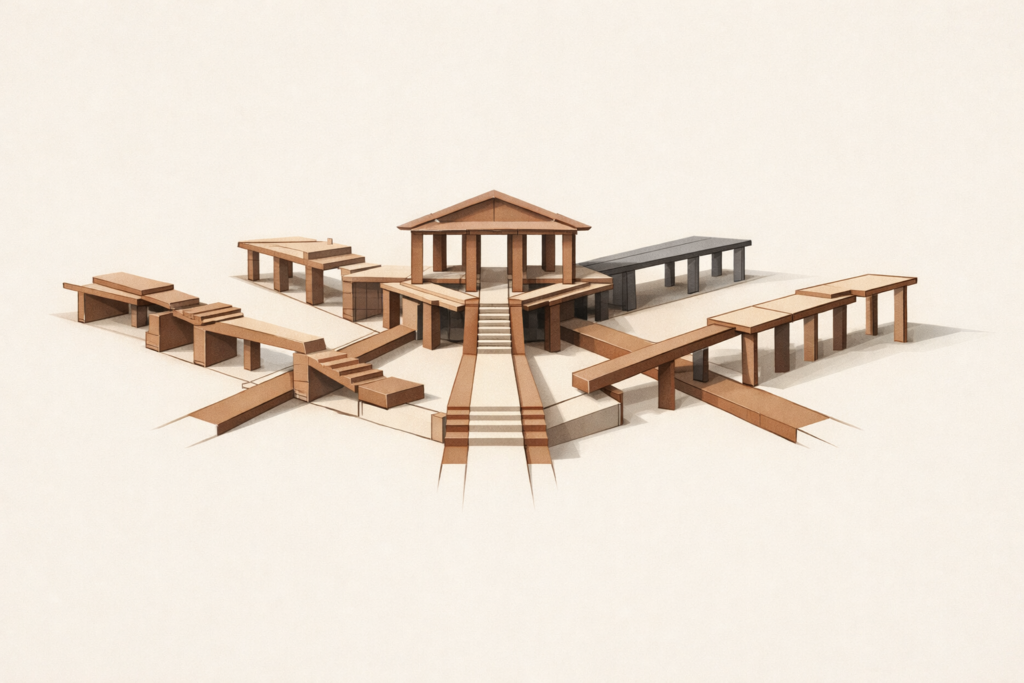
The series examines how disciplined minds are built through design: controlling access, specifying limits, absorbing load, and recovering without regression.
These entries treat cognition as infrastructure — stable, repeatable, and intentional.
Small environmental conditions shape biology over time. Discover how stable systems quietly build resilience while chronic instability compounds hidden strain long before visible outcomes appear.
Can trauma be inherited? Modern epigenetics suggests environments can influence how genes are expressed without changing DNA itself. Learn what biological memory is, what the science actually says about trauma, and why systems leave lasting physiological fingerprints.
Recovery fails when it relies on relief instead of design.
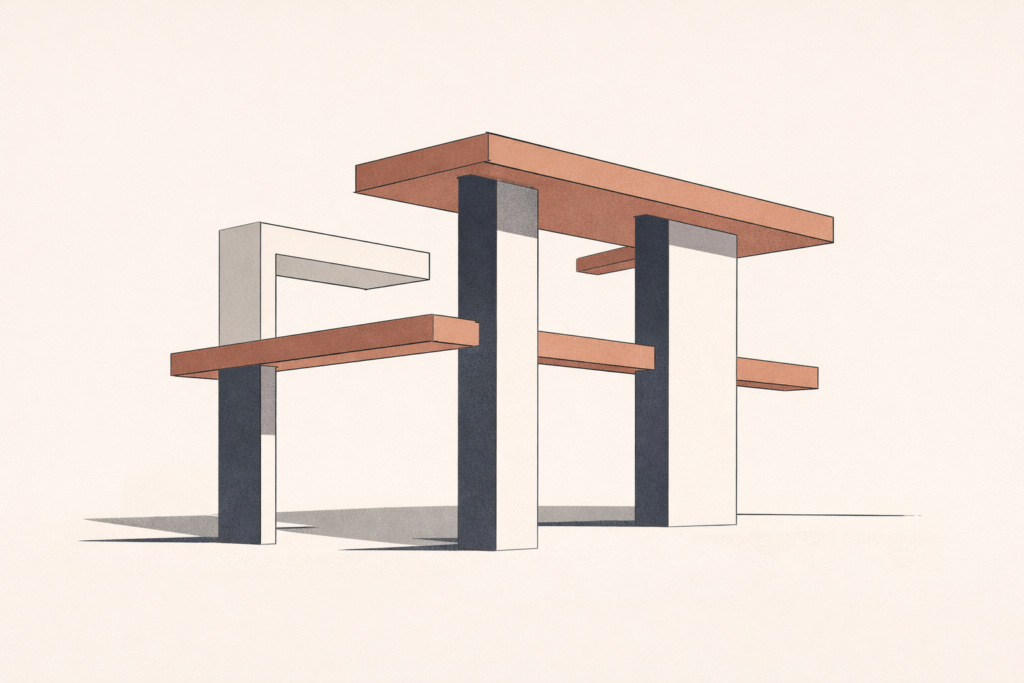
Disciplined minds do not bounce back by escaping pressure. They recover by building margin into the system so stress no longer consumes everything at once.
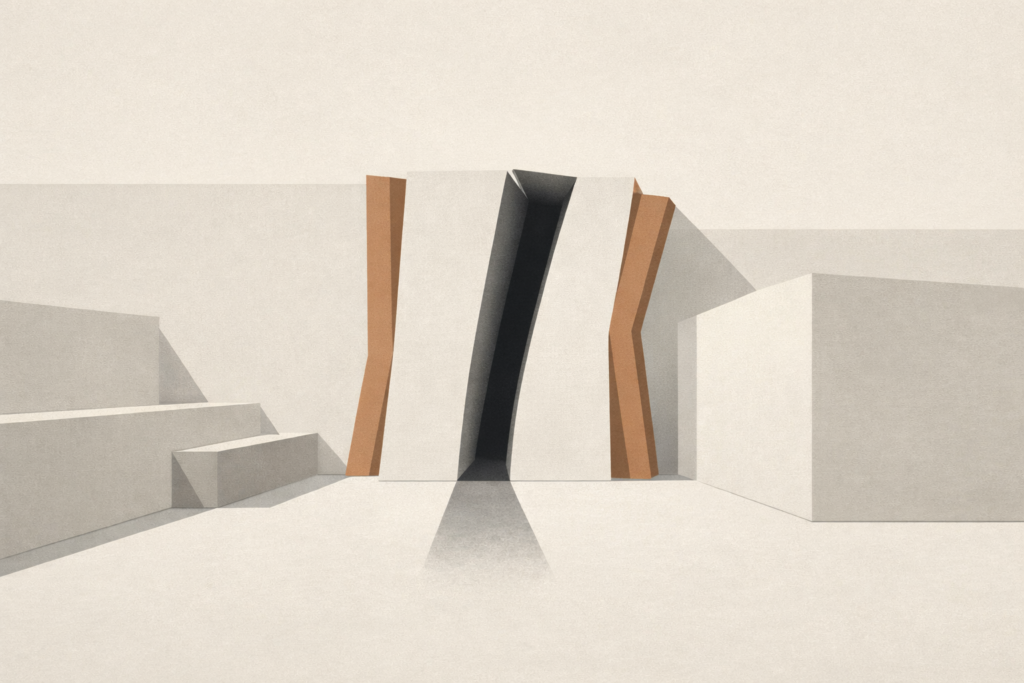
Attention under stress does not fail at random. It breaks at the weakest part of the system. What feels like loss of control is often a design limit being reached, not a personal failure.
Attention is not something you find.
It is something you control.
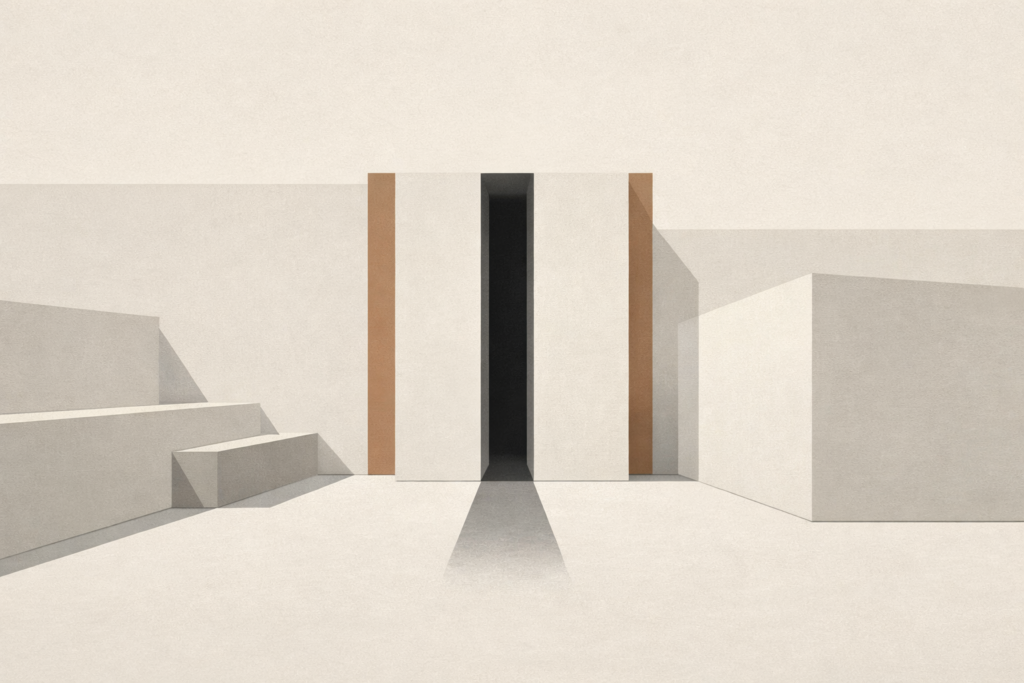
Mind as discipline treats attention as a gate. When that gate is unmanaged, everything enters. When it is governed, clarity follows without force.
Mind as Discipline is a series about treating the mind as a system that can be put in order. What