
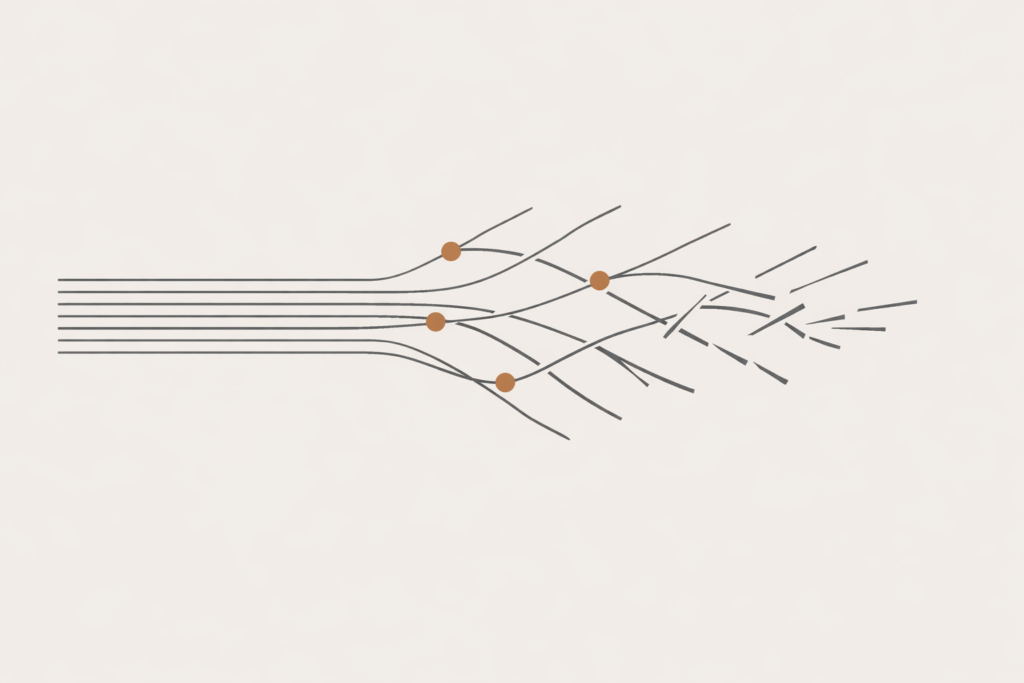
Social Coordination Failure: Why Groups Collapse Under Pressure
Social coordination failure explains why groups break down under pressure. Without defined roles, expectations, and structure, conflict is not accidental—it is inevitable.
Social coordination failure explains why groups break down under pressure. Without defined roles, expectations, and structure, conflict is not accidental—it is inevitable.
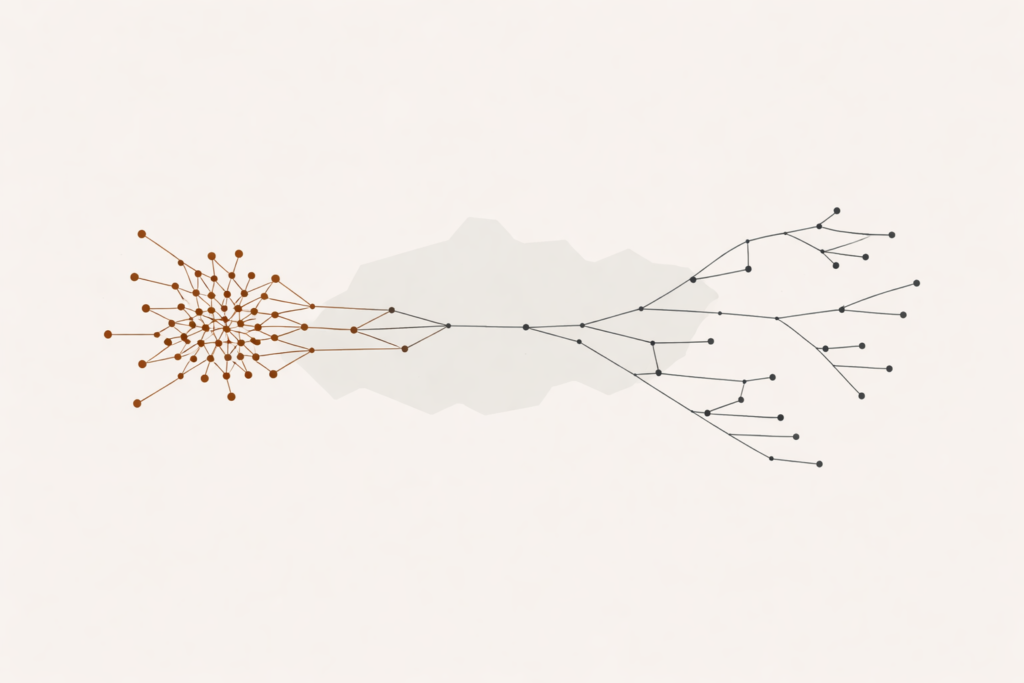
What causes migration? Economic conditions, conflict, family networks, policy, environmental pressure, and opportunity often interact. This article maps the system that turns those forces into movement.

California and Alabama have implemented the ebony alert system as an expansion of existing emergency alert infrastructure. This analysis examines whether the system functions as a structural patch within AMBER protocols or evolves into a parallel pipeline, assessing scalability, policy fragmentation risks, and measurable performance outcomes.

Systems rarely fail because they are impossible. They fail because friction slowly interrupts repetition. Today’s Blueprint explains why removing resistance stabilizes performance.

Systems rarely fail suddenly. They drift until someone audits the structure. Today’s Blueprint explains why disciplined inspection keeps systems stable and prevents quiet collapse.

Commitment requires infrastructure. Affection alone does not sustain stability. Long-term alignment depends on defined expectations, disciplined maintenance, emotional regulation, and shared direction reinforced over time.

Most systems do not break suddenly. They drift. Small behavioral shifts repeat until the original standard disappears. Discipline is the act of noticing drift early and restoring alignment before the system weakens.

This audit examines whether implementing an Ebony Alert system measurably changes missing-person outcomes compared to comparable states without the policy. It evaluates time-to-alert issuance, resolution rates, and classification patterns using predefined performance thresholds and structured institutional comparison.

Most systems do not collapse from rebellion. They collapse when small loopholes multiply until the standard quietly disappears.

A system does not fail when a rule is written. It fails when the rule is ignored. Consistent enforcement is what turns standards into structure.
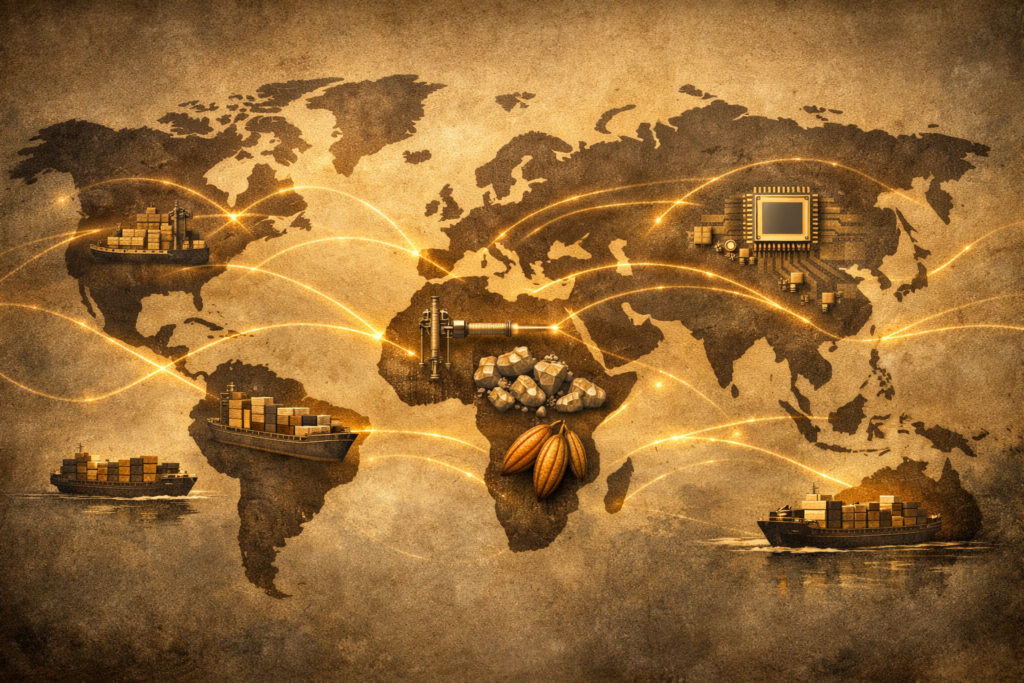
Are wars really fought for resources? From W.E.B. Du Bois’s 1915 essay on imperial competition to modern conflicts over rare earth minerals and semiconductor supply chains, the debate over what drives global war has never truly ended.

Dr. Martin Luther King Jr. once said that emancipation gave many Black Americans freedom to hunger. The phrase sounds harsh, but it reveals a deeper argument about economic justice. King believed that political freedom without land, jobs, or economic support left millions legally free yet materially vulnerable.