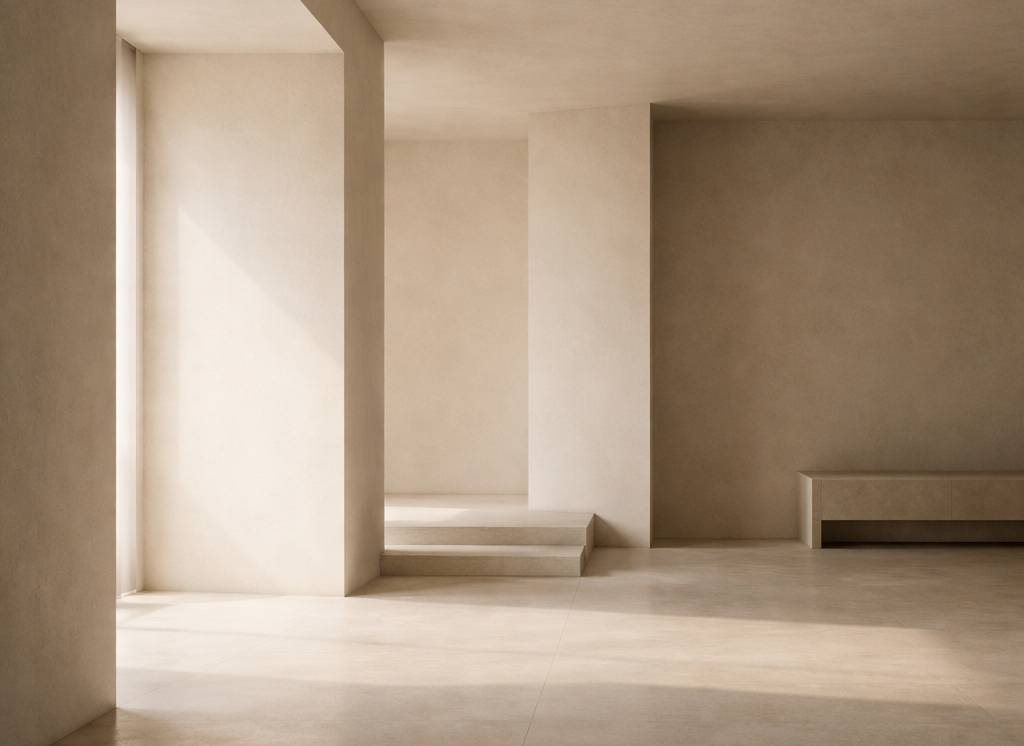
Stillness as discipline often gets misread. Many people label it delay. Others call it avoidance. Some mistake it for weakness. As a result, that misunderstanding quietly steals years of focused effort.
In reality, stillness does not remove movement. Instead, it removes noise. When motion pauses, signal appears.
Today, modern life rewards activity. Calendars fill fast. Tasks stack endlessly. Because movement feels productive, direction often gets ignored. Stillness interrupts that pattern. More importantly, it forces a comparison between effort and alignment.
As a discipline, stillness exposes leaks. It reveals whether work moves with intention or spreads thin. It also shows which habits come from urgency rather than choice.
For that reason, stillness feels uncomfortable at first. Noise numbs awareness. Motion distracts judgment. Stillness removes both.
In quiet moments, excuses fall apart. At the same time, artificial urgency fades. What remains is clarity. Not motivation. Not inspiration. Just clarity.
Clarity does not shout instructions. Instead, it waits. It allows the builder to listen before acting.
Because of this, stillness becomes the place where decisions sharpen. The next move earns its right to exist rather than borrowing momentum from panic.
This practice does not signal retreat. On the contrary, it supports calibration. Builders slow down so they can move correctly. They pause so momentum does not harden into drift.
Across philosophy, psychology, and contemplative traditions, practitioners have long treated stillness as preparation for disciplined action. Contemporary research on mindfulness and attention supports this connection between intentional pause and cognitive control (American Psychological Association).
Within Groundwork Daily, stillness functions as structure, not mood. It creates internal order before resources get spent or relationships absorb strain.
For a deeper framework on this principle, see Stillness Is Strategy.
Ultimately, stillness as discipline represents quiet power. It shows how builders think before they act.