

Examples of Accountability vs Lack of Accountability
Examples of accountability vs lack of accountability show how behavior either builds trust or creates confusion across work, relationships, and self-discipline.
Examples of accountability vs lack of accountability show how behavior either builds trust or creates confusion across work, relationships, and self-discipline.

Documentation is not paperwork. It is leverage. What gets recorded becomes real, and what becomes real shapes outcomes inside systems that only recognize proof.

Accountability is not theoretical. It is visible in behavior, communication, and follow-through. This post breaks down what accountability looks like in real life.
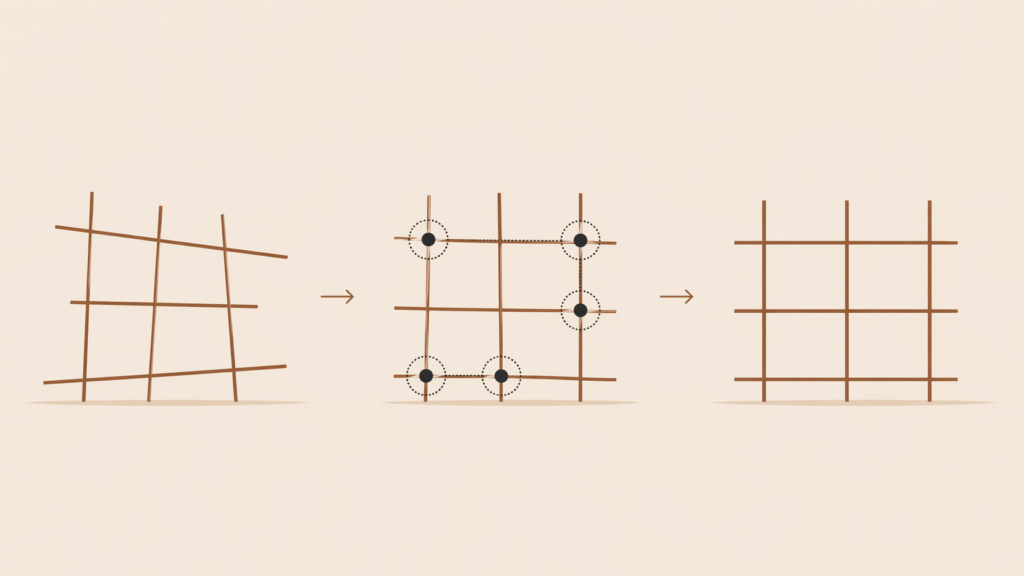
Misalignment slows everything. Correction restores order. Systems do not fail from effort. They fail from structure. Fix the alignment and performance follows.

Patriarchal systems were built for a physical economy. Today’s economy runs on care, coordination, and intelligence. This shift exposes hidden subsidies, capital inefficiencies, and structural misalignment across modern systems.

Fatherhood overnights leverage turns time into measurable power. Without tracking presence, fathers lose custody position and financial control.

Conflict does not end relationships. Avoidance does. Learn how calm, accountable communication rebuilds trust and creates lasting stability after tension.

Accountability often feels like control when past experience distorts perception. This post explains the difference between structure and dominance, and how to recognize healthy accountability.

Your system is not failing all at once. It is failing in signals. Learn the 5 early signs before breakdown becomes collapse.
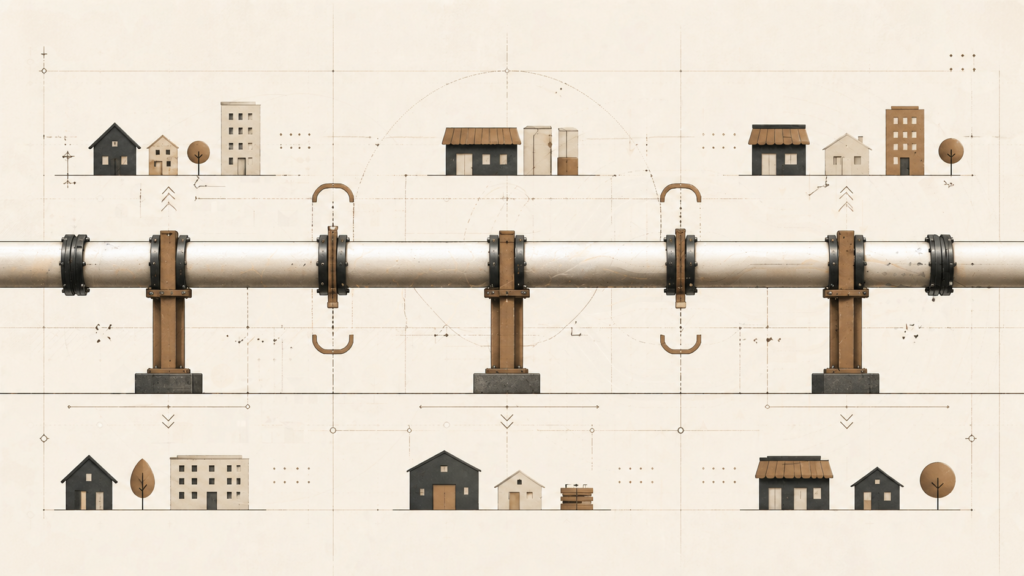
SNAP is not broken by accident. It is designed without automatic protection. A resilient system would guarantee continuity, reduce friction, and stabilize households under pressure.

Accountability does not fail all at once. It breaks down in stages, from drift to collapse, creating friction, confusion, and loss of trust.

Consistency is not built through intensity. It is built through alignment over time. When actions stabilize into repeatable patterns, trust begins to form. What looks like discipline is often just structure held long enough to become predictable.