

Apology Is Not Weakness. It Is Structural Repair
Conflict does not end relationships. Avoidance does. Learn how calm, accountable communication rebuilds trust and creates lasting stability after tension.
Conflict does not end relationships. Avoidance does. Learn how calm, accountable communication rebuilds trust and creates lasting stability after tension.
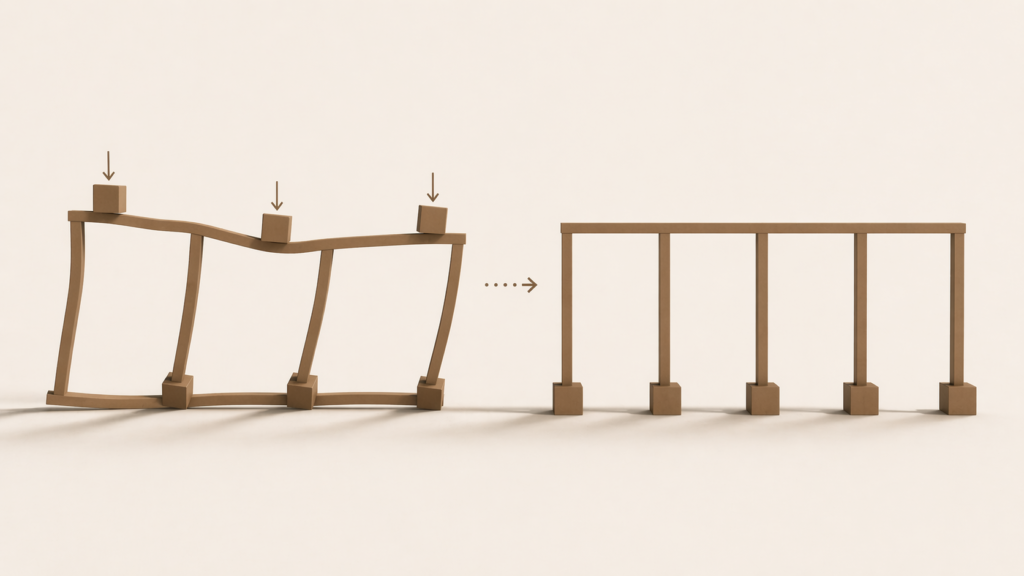
Accountability often feels like control when past experience distorts perception. This post explains the difference between structure and dominance, and how to recognize healthy accountability.

Your system is not failing all at once. It is failing in signals. Learn the 5 early signs before breakdown becomes collapse.
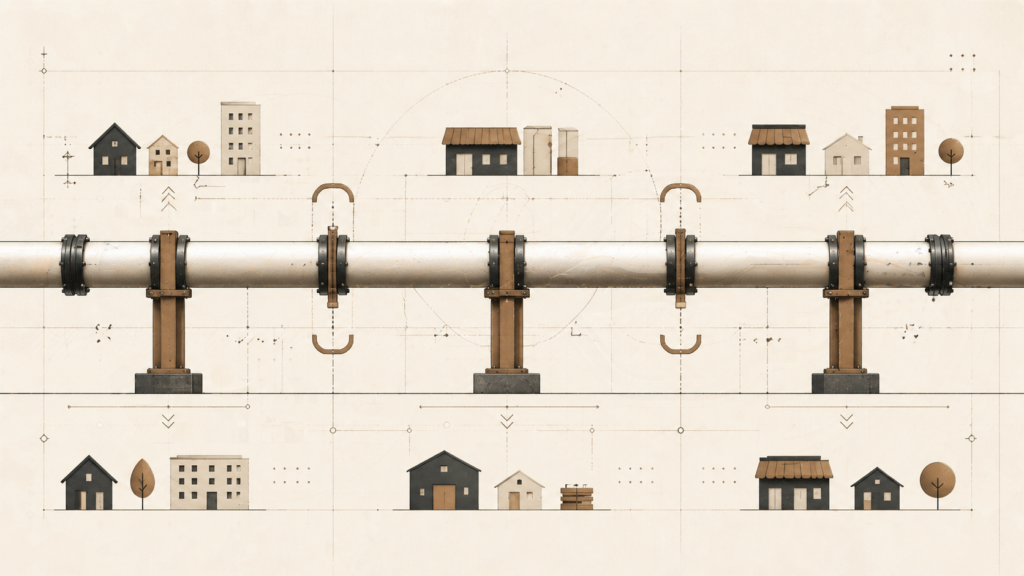
SNAP is not broken by accident. It is designed without automatic protection. A resilient system would guarantee continuity, reduce friction, and stabilize households under pressure.

Accountability does not fail all at once. It breaks down in stages, from drift to collapse, creating friction, confusion, and loss of trust.

Consistency is not built through intensity. It is built through alignment over time. When actions stabilize into repeatable patterns, trust begins to form. What looks like discipline is often just structure held long enough to become predictable.

Accountability in relationships is the structured enforcement of defined standards, measurable contribution, and graduated consequences. Without monitoring and correction, alignment erodes. This framework installs governance before drift becomes collapse.
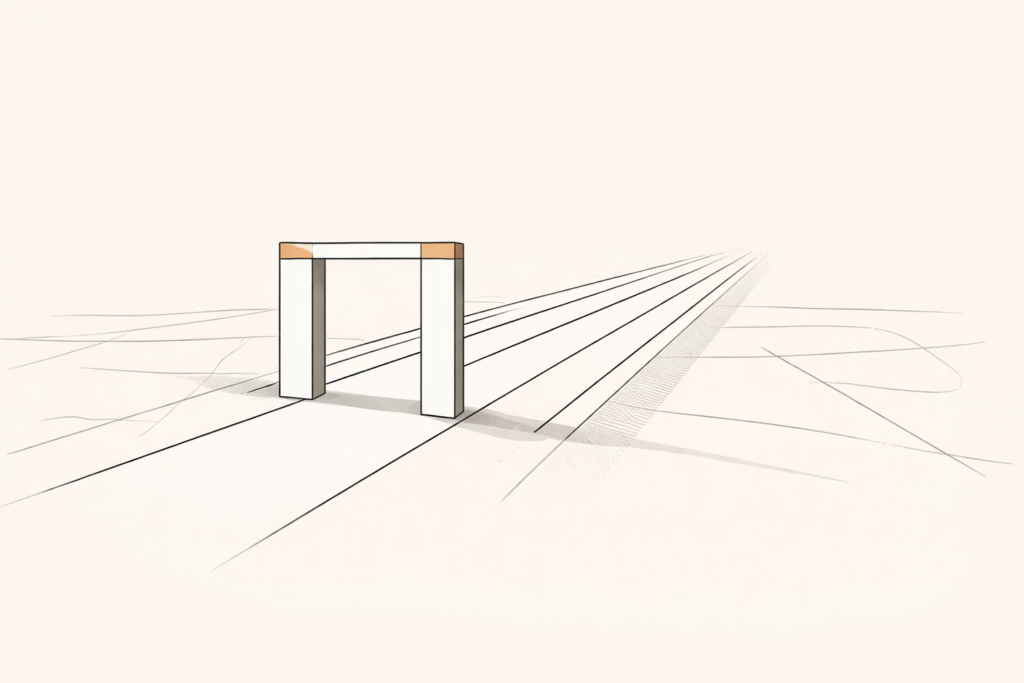
Pre-entry alignment prevents conflict by setting clear terms before participation begins. Strong systems define expectations early so pressure does not have to define them later.

Accountability in relationships is enforcement of shared standards. Without correction, consequence, and measurable expectations, structure weakens over time. Stability endures only when agreements are reinforced consistently under pressure.

Trust thresholds determine how much imbalance a group can absorb before coordination fails. High-trust systems carry friction longer. Low-trust systems turn small discrepancies into immediate conflict.

Ownership in execution is where most people fail. Responsibility does not end with the task. It begins with the method that produces results.
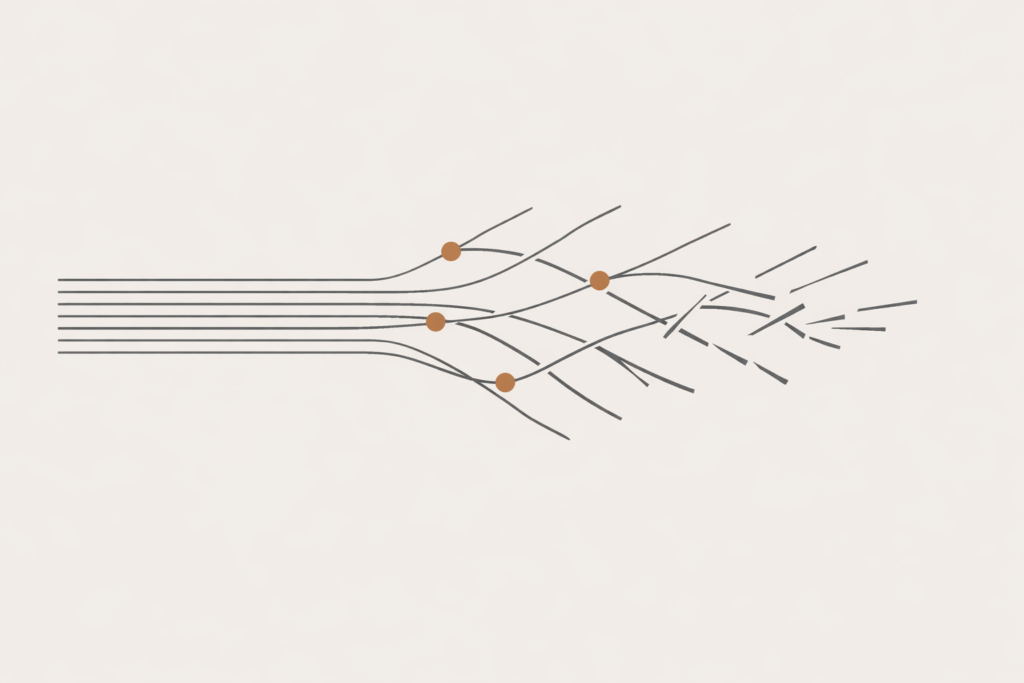
Social coordination failure explains why groups break down under pressure. Without defined roles, expectations, and structure, conflict is not accidental—it is inevitable.