
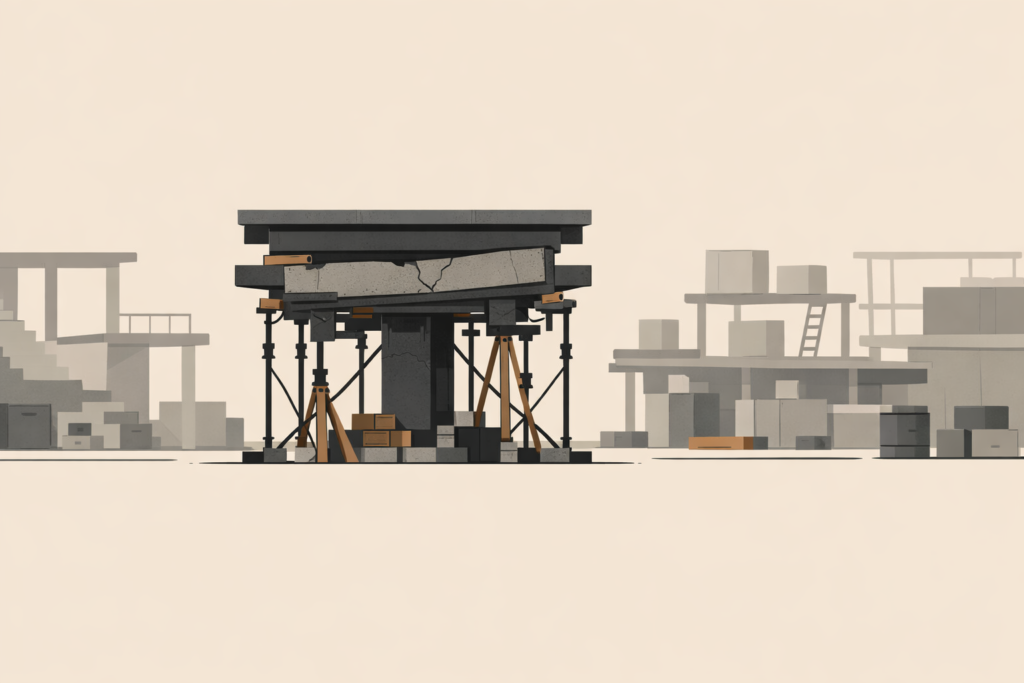
Discipline Is the Missing Variable: Why Our Systems Keep Failing Quietly
Modern systems are not failing from lack of effort. They are failing because endurance has replaced structure, and performance has replaced discipline.
Modern systems are not failing from lack of effort. They are failing because endurance has replaced structure, and performance has replaced discipline.

Clarity often gets mistaken for control. But definition does not restrict healthy relationships. It exposes them. When expectations are named, effort becomes visible and ambiguity loses its power to protect avoidance.
Pillars exists to explain what actually holds when motivation fails. This post defines the two forces beneath all outcomes: internal discipline and external structure.
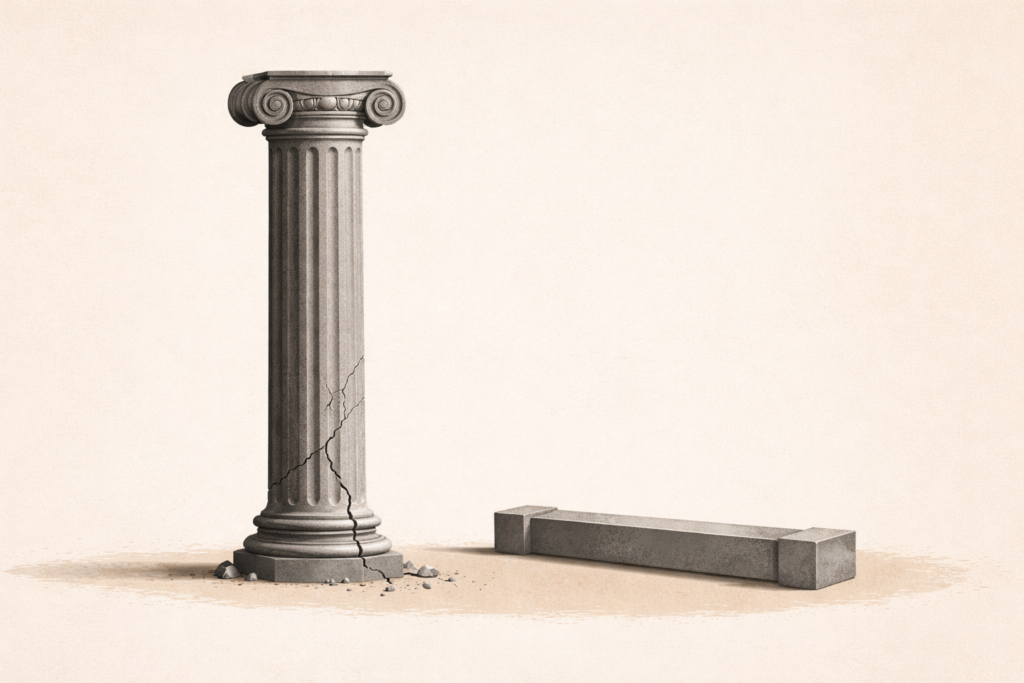
Strength is not the ability to endure anything without complaint. It is the ability to recognize when persistence becomes self-sabotage. Many relationships fail not because people lack strength, but because they mistake stubbornness for virtue and endurance for loyalty.
The rise of “304” reveals how modern culture avoids accountability by disguising judgment as numbers. Language didn’t soften. It hid.

Most relationship conflict is not rooted in emotion, trauma, or communication. It starts earlier, at the level of definition. When people refuse to name what something is, boundaries erode, expectations drift, and confusion becomes the operating system. Clarity is not cruelty. It is structure.

Paternity fraud and accountability reveal a structural gap between biological truth and legal responsibility. In U.S. family law, legal fatherhood can persist despite DNA evidence, driven by statutes, timing, and the best interest standard. Understanding how the system assigns responsibility is critical before decisions become permanent.

Smart people are not immune to bad reasoning. This entry explains why rational thinking skills often fail—and how correction restores clarity.

Gratitude is not a feeling to perform but a structure to maintain. When appreciation becomes discipline, it stabilizes what we build and protects what we’re entrusted to carry.

We aren’t confused. We’re avoiding the math. This reflection examines how delay, misalignment, and soft excuses cost more than honest decisions ever will.

Block logic community order begins at the smallest unit of stability: the block. Shared standards, clear correction, and predictable routines turn neighborhood safety into something repeatable rather than aspirational.

Rejecting shame does not require rejecting accountability. Real empowerment can survive questions about choices, consequences, trust, and whether behavior actually matches the identity being claimed.