

Discipline Beats Motivation Every Time
Discipline vs motivation is not a mindset debate. It is a structural one. Motivation fades when conditions change. Discipline holds because it is built, not felt.
Discipline vs motivation is not a mindset debate. It is a structural one. Motivation fades when conditions change. Discipline holds because it is built, not felt.

Busyness isn’t just a personal habit anymore. It’s a cultural permission slip that keeps people moving without choosing and occupied without clarity.

Correlation shows patterns, not causes. This Rational Field entry explains why confusing the two undermines disciplined reasoning.
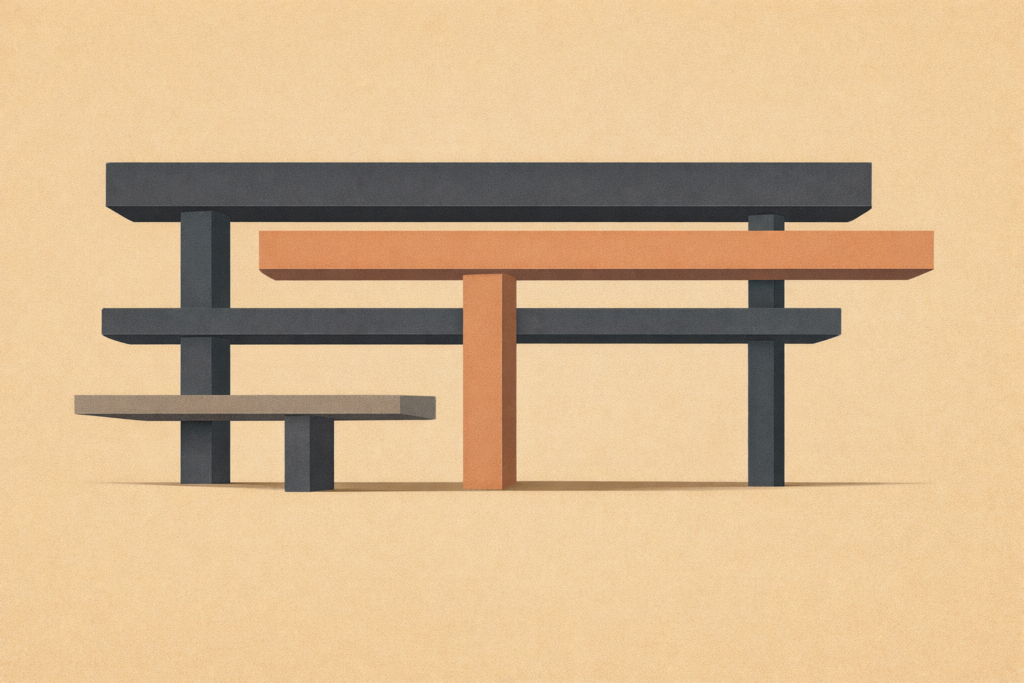
Provision as structure is not just income, sacrifice, or effort. It is the design that keeps life stable when pressure rises.
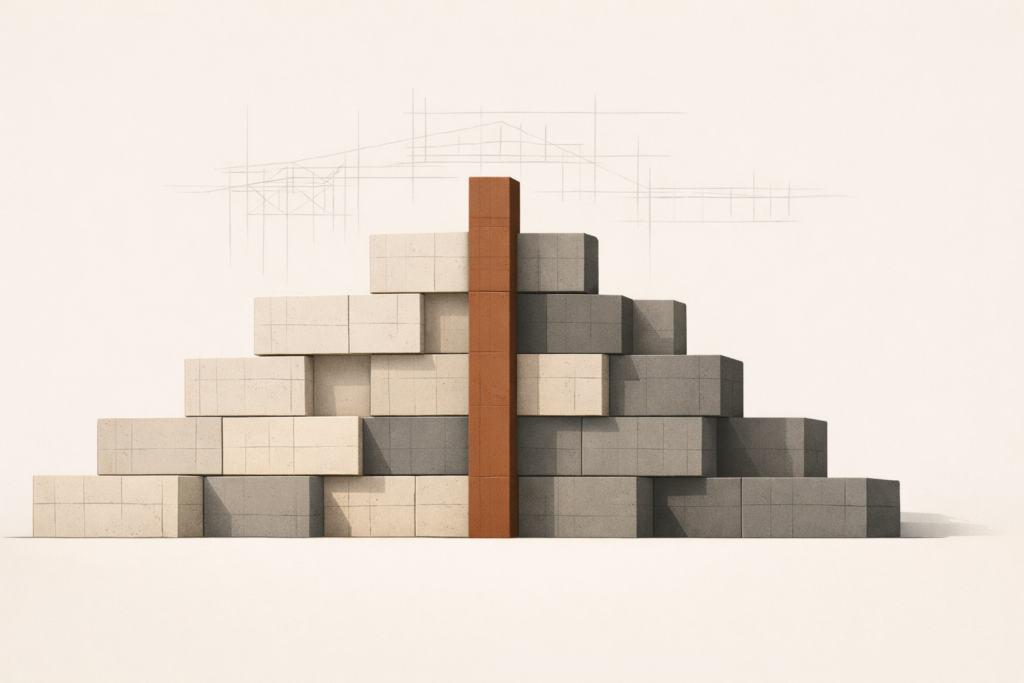
Culture is not mood. It is structure. Before a society debates identity, it quietly decides its load-bearing rules. Incentives, accountability, and shared norms determine whether ambition compounds or collapses. Treat culture like architecture and you will see what is holding — and what is drifting.
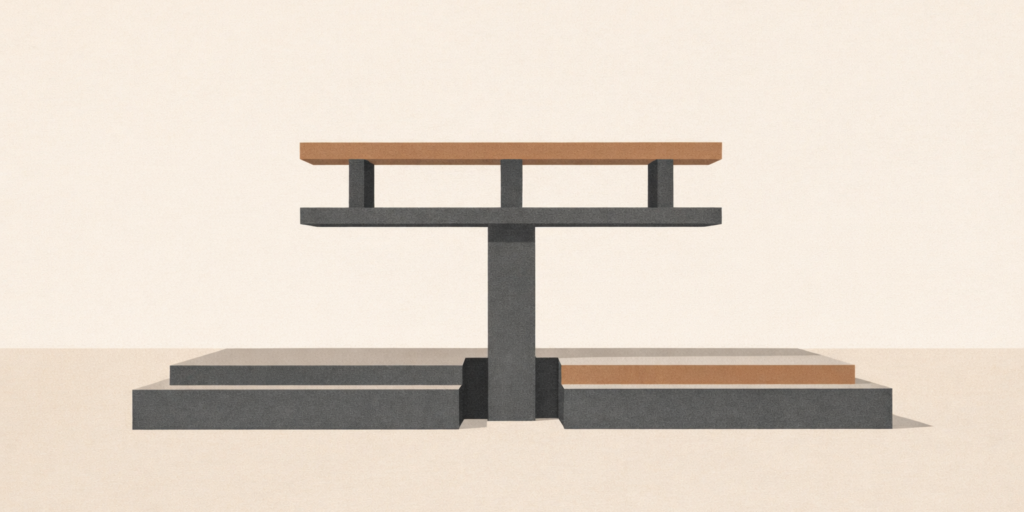
Authority does not create responsibility. Responsibility earns authority. When relationships reverse this order, conflict replaces trust and leadership collapses.

I was taught that carrying weight was the point. You stay steady. You do not complain. You do not hesitate.

Correction without shame treats feedback as maintenance, not punishment. It protects agreements, preserves dignity, and creates a predictable environment where truth can be spoken without fear. When standards are shared, correction becomes care, not confrontation.

Preparing without panic replaces urgency with structure. Instead of doing more, it removes what creates friction. Clarity, sequencing, and restraint create readiness that lasts.

A reflection on how providing shifts from sacrifice to foresight, and why shared clarity creates stability that lasts.
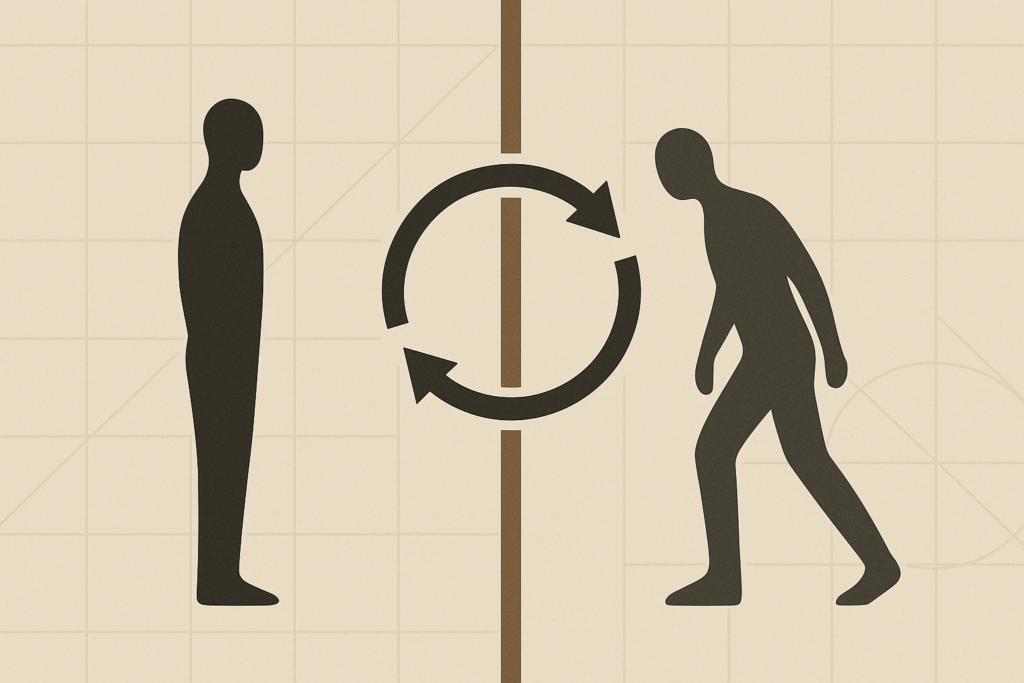
Emotional labeling often works as a feedback loop that replaces accountability with misdirection. When labels override behavior, relationships begin to operate like systems designed to avoid truth rather than resolve it.

Being busy as an excuse sounds responsible, but most of the time it has less to do with time and more to do with priorities, avoidance, and selective energy. This essay explores why “busy” became a socially acceptable explanation for choices we already made and what happens when we stop pretending otherwise.