
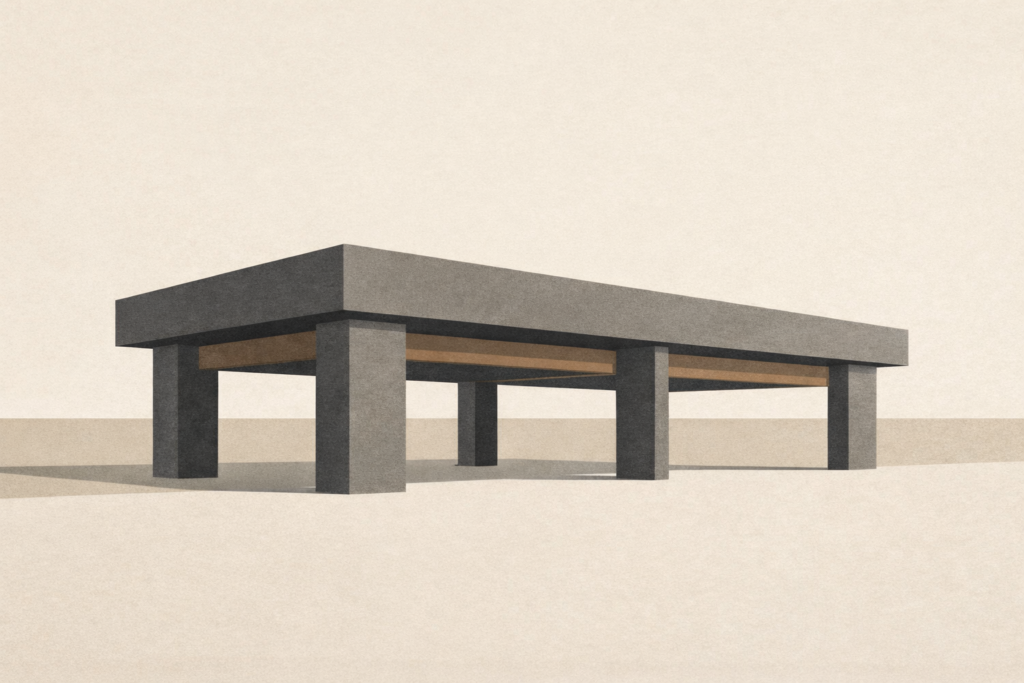
Carrying Weight Without Announcement
Not all responsibility announces itself. Some weight is carried quietly—through consistency, reliability, and structure—long before anyone notices it was there at all.
Not all responsibility announces itself. Some weight is carried quietly—through consistency, reliability, and structure—long before anyone notices it was there at all.

Awareness of habits is how discipline is protected. What you notice is what you can correct.
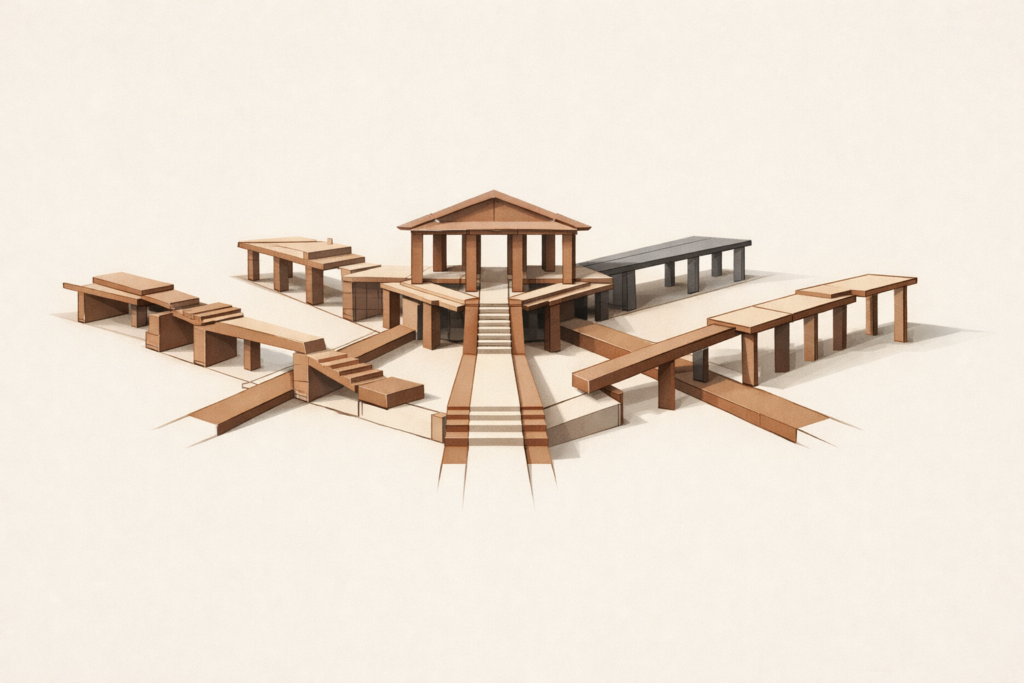
The thinking laws framework explains how structured thinking improves decision making systems and prevents failure caused by unclear thinking and weak structure.

A simple routine structure is not about doing more. It is about making repetition easier to return to.

Starting again is not failure. It is the structure behind discipline and the reason consistency becomes possible.

Stillness is strength when rooted in faith and discipline. Learn how quiet confidence protects clarity, character, and peace.

Stillness changes when it is observed. What once felt natural can tighten, perform, or disappear entirely. This reflection traces the moment when quiet becomes a test—and what it takes to remain grounded anyway.
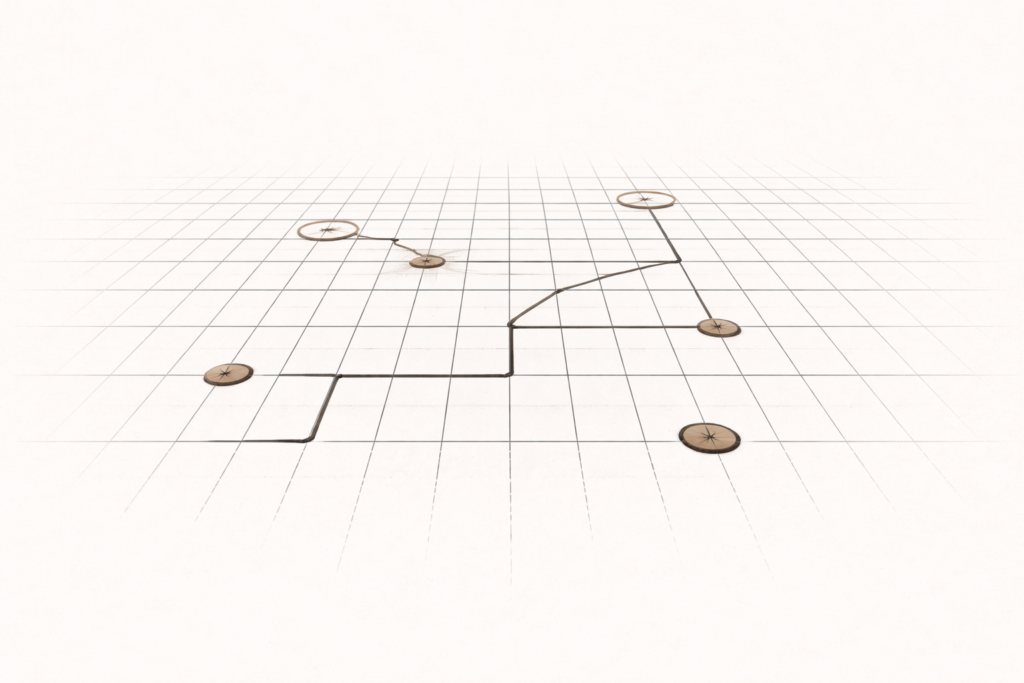
Systems rarely fail because they are impossible. They fail because friction slowly interrupts repetition. Today’s Blueprint explains why removing resistance stabilizes performance.

Most people chase happiness. That is the problem. Peace is not a feeling. It is a system built through discipline, structure, and emotional control.
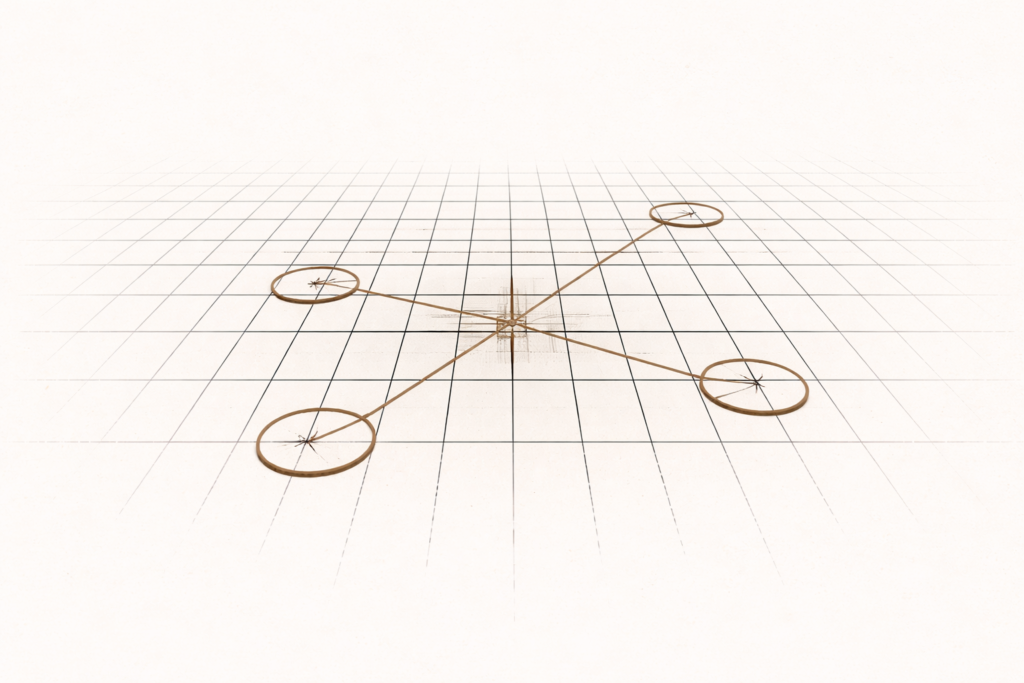
Systems rarely fail suddenly. They drift until someone audits the structure. Today’s Blueprint explains why disciplined inspection keeps systems stable and prevents quiet collapse.

Commitment requires infrastructure. Affection alone does not sustain stability. Long-term alignment depends on defined expectations, disciplined maintenance, emotional regulation, and shared direction reinforced over time.
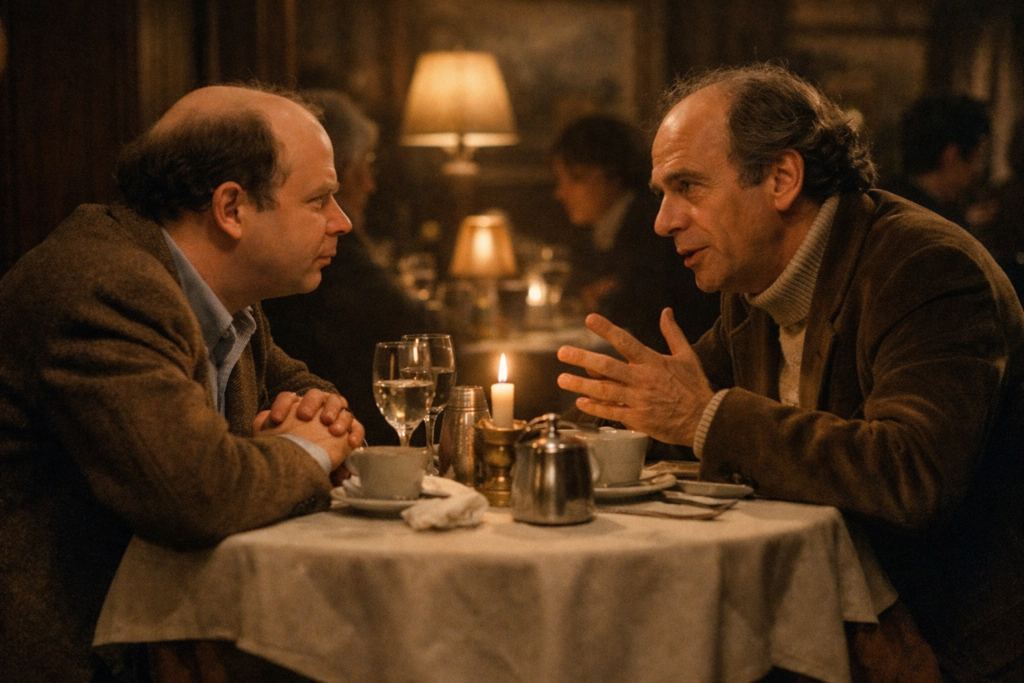
A quiet monologue from the 1981 film My Dinner with Andre argues that modern society functions like a prison people build and maintain themselves. Decades later, the idea feels even more relevant in the age of attention-driven media.