
Stillness as Discipline: Orientation Before Movement
Stillness is not stalling. It is orientation. Before movement begins, stillness clarifies direction and protects effort from drifting off course.
Stillness is not stalling. It is orientation. Before movement begins, stillness clarifies direction and protects effort from drifting off course.

Health is not about comfort or motivation. It is about governance. When the body and mind run on systems instead of moods, energy becomes reliable and pressure stops breaking the structure.
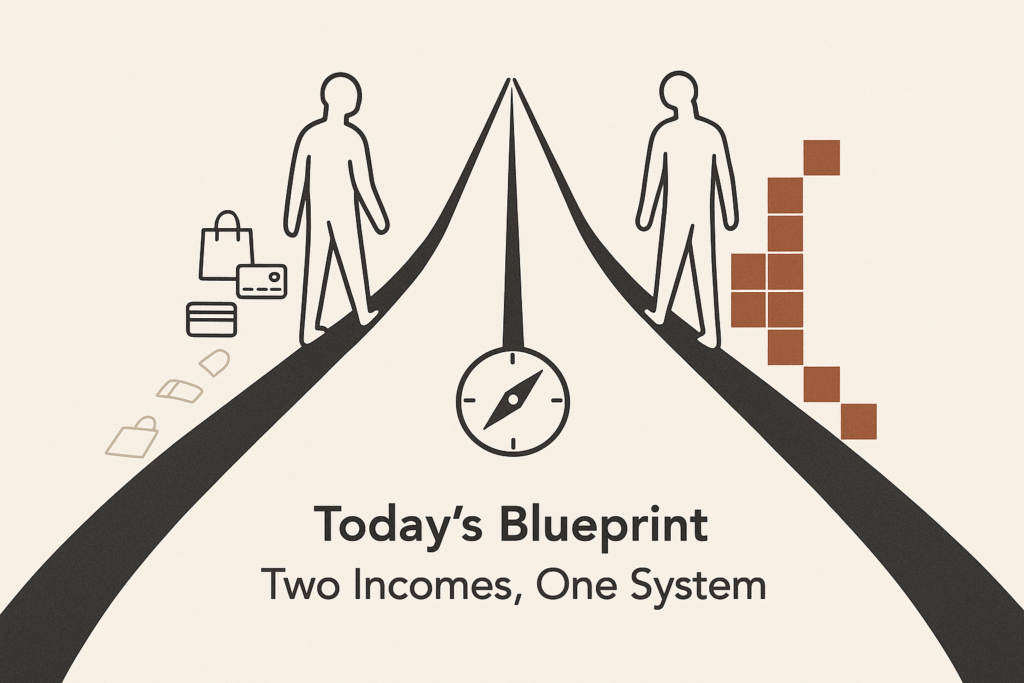
Two incomes one system is the quiet formula behind long term stability. Most households enjoy the speed of two incomes but lack the structure to direct that momentum.

Economic accountability begins with outcomes, not performance. This entry examines how comparison, tradeoffs, and measured results reveal what narratives often conceal.
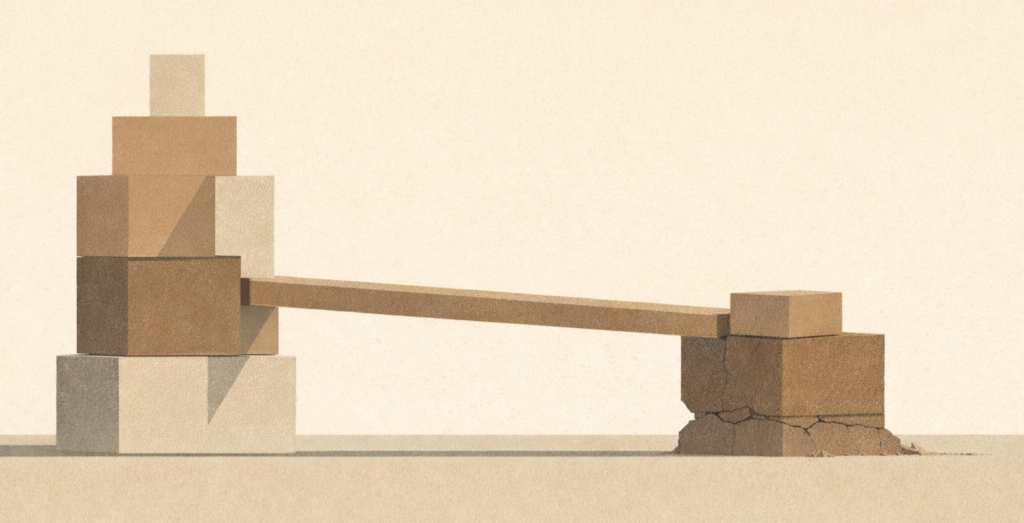
Costs rarely disappear. When power protects itself, the burden shifts quietly to somewhere else.

DINK wealth inequality doesn’t come from income; it comes from structure. Two incomes compound in opposite directions depending on discipline, architecture, and long-term posture.
People think action creates momentum.
But restraint is what prevents wasted energy.

DINK wealth velocity is not automatic. Two incomes create speed only when a household knows how to convert margin into momentum. Structure is the accelerator.

Happiness fades without renewal. Alignment, boundaries, and recalibration are how steadiness is maintained over time.
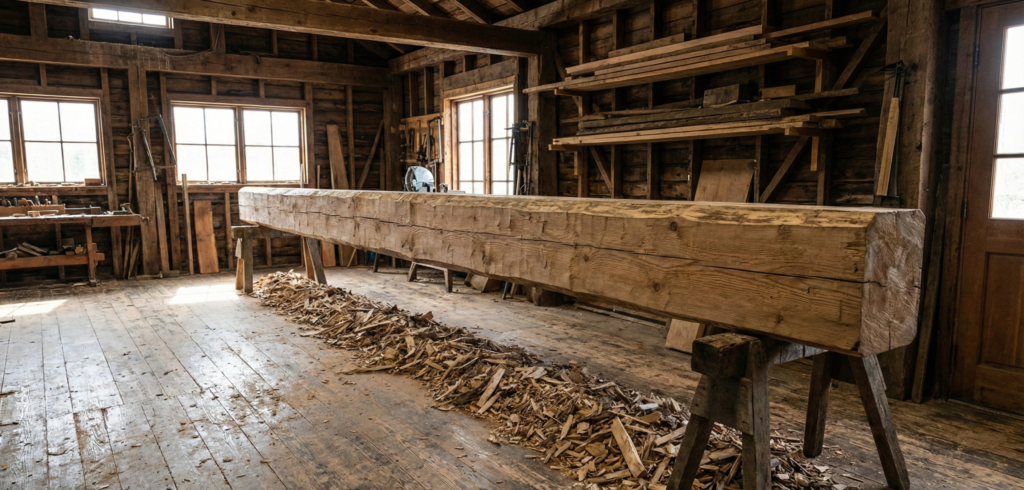
Discipline on the path is revealed less by what is added and more by what is quietly laid down over time.
You think power needs to be visible to matter.
But the strongest positions are the ones that do not need to prove themselves.

A quiet blueprint for replacing urgency with distance, choosing disciplined structure, patience, and long-view conviction over short-term noise.