
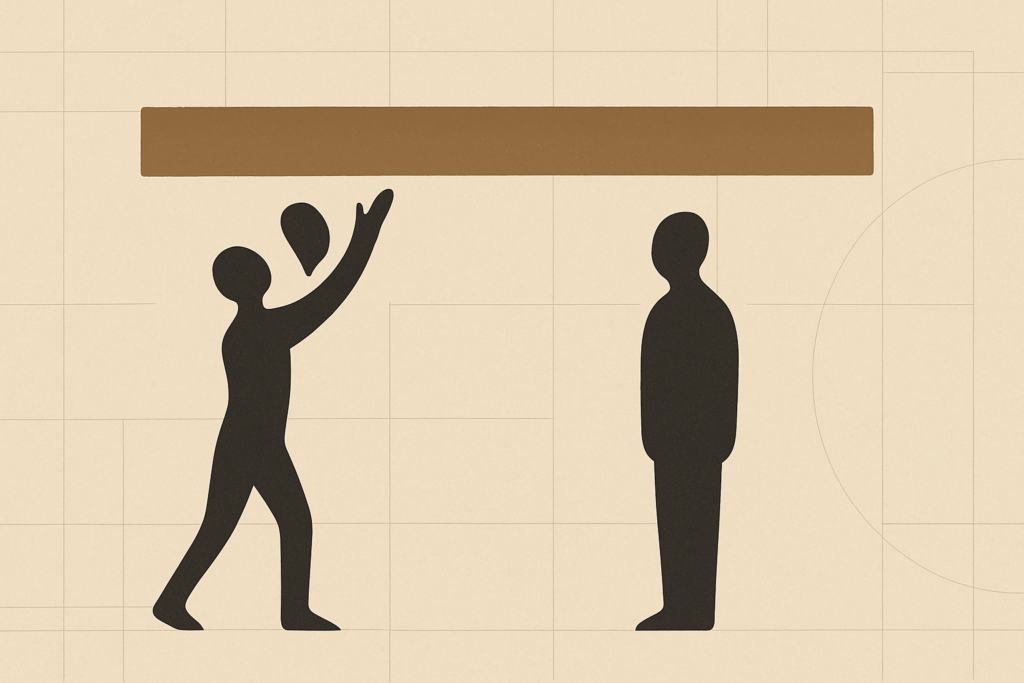
Structure Over Instinct: Why Principles Steady What Impulse Cannot
Instinct moves fast, but structure carries the weight. A Pillars principle on why systems fail when impulse leads—and why stability comes from what you build, not what you feel.
Instinct moves fast, but structure carries the weight. A Pillars principle on why systems fail when impulse leads—and why stability comes from what you build, not what you feel.

Happiness builds internal stability. Joy brings that stability into shared experience. When understood together, they form a system that supports both personal clarity and meaningful connection without collapse.

You treat practice as preparation.
But it is actually the system that produces results.

2025 was not about noise. It was about structure. This is the story of how Groundwork Daily built discipline, clarity, and civic weight in public.

Stillness is not only reflection. It is a boundary. It defines where attention stops so direction can hold.

Not every change matters. This post explains how analysts distinguish real economic signals from background patterns and why economic accountability depends on interpretation.

Correction without shame treats feedback as maintenance, not punishment. It protects agreements, preserves dignity, and creates a predictable environment where truth can be spoken without fear. When standards are shared, correction becomes care, not confrontation.
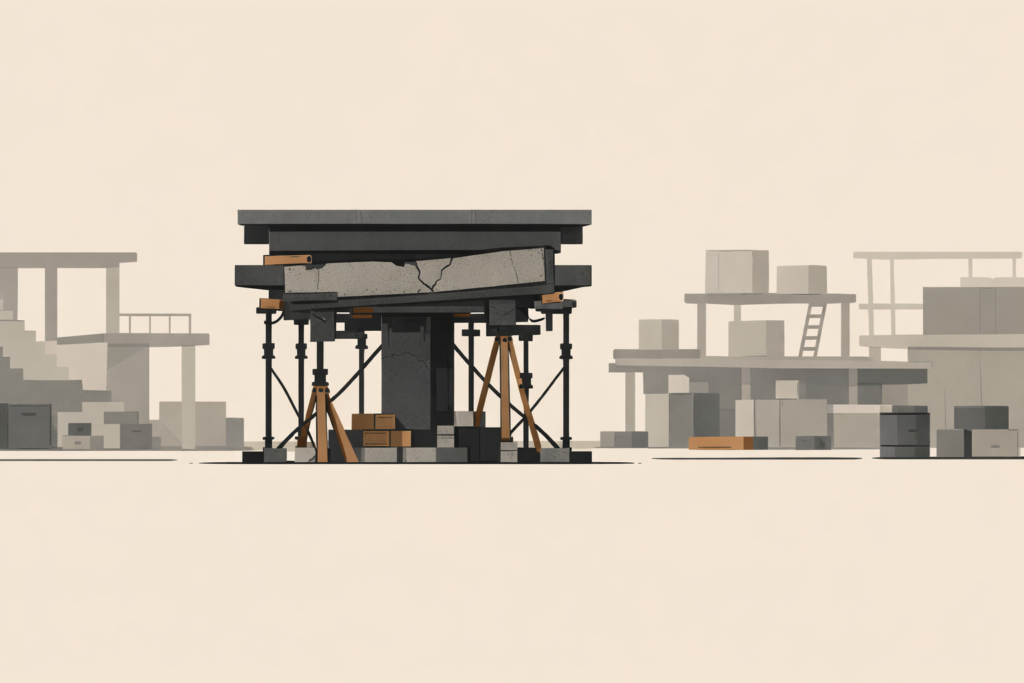
Modern systems are not failing from lack of effort. They are failing because endurance has replaced structure, and performance has replaced discipline.
Pillars exists to explain what actually holds when motivation fails. This post defines the two forces beneath all outcomes: internal discipline and external structure.

Discipline doesn’t begin with a date or a reset. It begins quietly, before momentum arrives, through consistent choices made without ceremony, audience, or permission.

Structure is not control. It is mercy applied early. Systems protect decisions, reduce costly mistakes, and stabilize long-term outcomes.

A disciplined life is built by lowering the friction of good decisions and raising the cost of bad ones. Decision hygiene makes stability the default.