

Why Life Feels Hard Even When You’re Doing Everything Right
Why life feels hard even when doing everything right often has less to do with effort and more to do with missing structure that can hold it.
Why life feels hard even when doing everything right often has less to do with effort and more to do with missing structure that can hold it.

Stability saves money. Men who choose to stay home reduce impulse spending, preserve capital, and create space to invest. This piece breaks down what men need in stable relationships and why consistency becomes financial leverage over time.
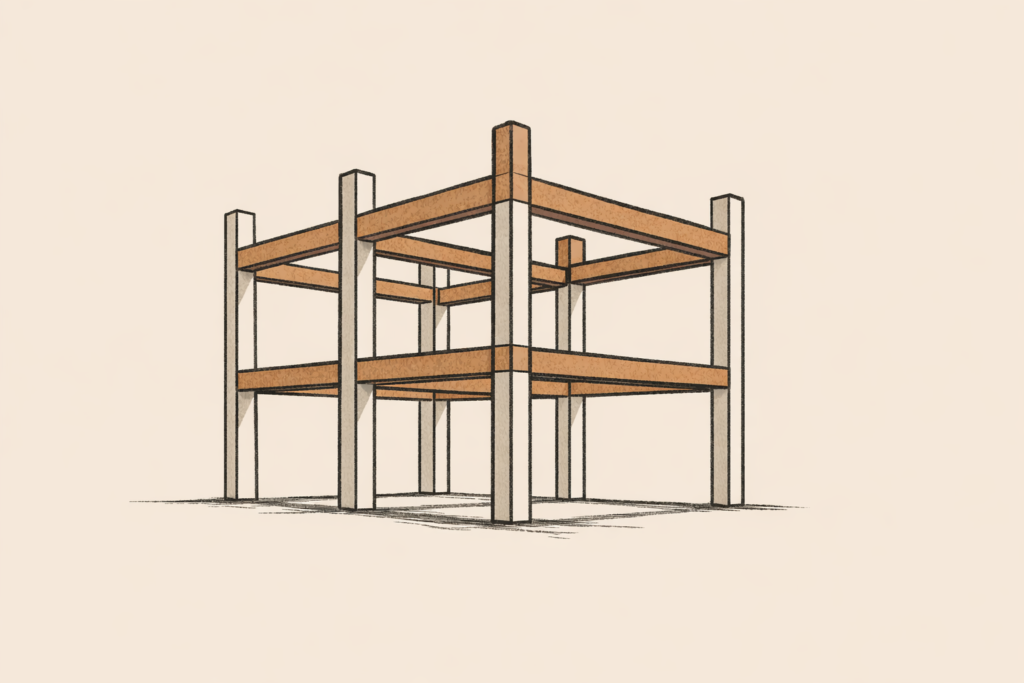
Liberation language creates clarity without cost. Infrastructure creates durability. Freedom that lasts requires systems, not slogans.

Diagnosis explains behavior. It is not identity. Recovery requires capacity, discipline, and structure.

Rest does not restore what structure is still asking you to carry. Relief comes when effort finally has support.

Too many lists dilute attention. The One-List Rule creates clarity by deciding what deserves focus today, and what does not.

Digital platforms scale globally, but infrastructure remains local. This post explains the physical cost of digital ambition and who absorbs it.
Private discipline determines public results. What happens when no one is watching shapes what holds under pressure. This Pillar explores how unseen habits become structure, and why consistency without applause is the foundation of reliability, trust, and long-term stability.
Structure is not a restriction on freedom. It is the framework that protects focus, reduces friction, and allows effort to compound without being drained by constant decision-making.

In 1844, the Dominican Republic declared independence through separation rather than revolt, defining sovereignty by distinction, identity, and survival on a shared island.

Structure protects orientation when life accelerates. Without systems, attention fragments and decisions drift. Learn how boundaries, sequencing, and routines keep clarity intact under pressure.

Silence as discipline is not about staying quiet. It is about creating enough space between emotional pressure and expression for judgment to return. Celeste Monroe introduces the Response Gate, a four-question framework for deciding what actually needs to be said.