

Love Needs Structure
Love can begin with feeling, but it only endures through structure. Healthy relationships need clear expectations, steady communication, shared responsibility, and repair practices that protect trust when pressure arrives.
Love can begin with feeling, but it only endures through structure. Healthy relationships need clear expectations, steady communication, shared responsibility, and repair practices that protect trust when pressure arrives.
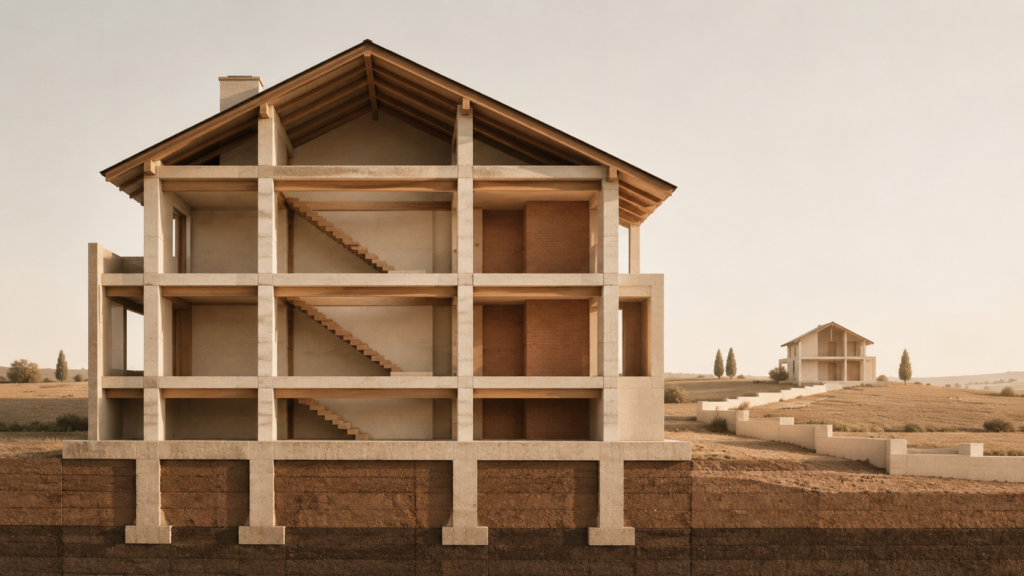
Children inherit more than genetics. They absorb routines, relationships, conflict, money habits, and everyday behavior that quietly become their definition of normal. Discover how family culture shapes the next generation long before anyone realizes it.

Most homes do not become chaotic overnight. They drift gradually as repeated rhythms disappear and daily life becomes negotiation instead of structure.

Maintenance is invisible until it disappears. This piece explores why maintenance behavior quietly determines whether homes, buildings, and shared spaces stay stable or begin to decline.
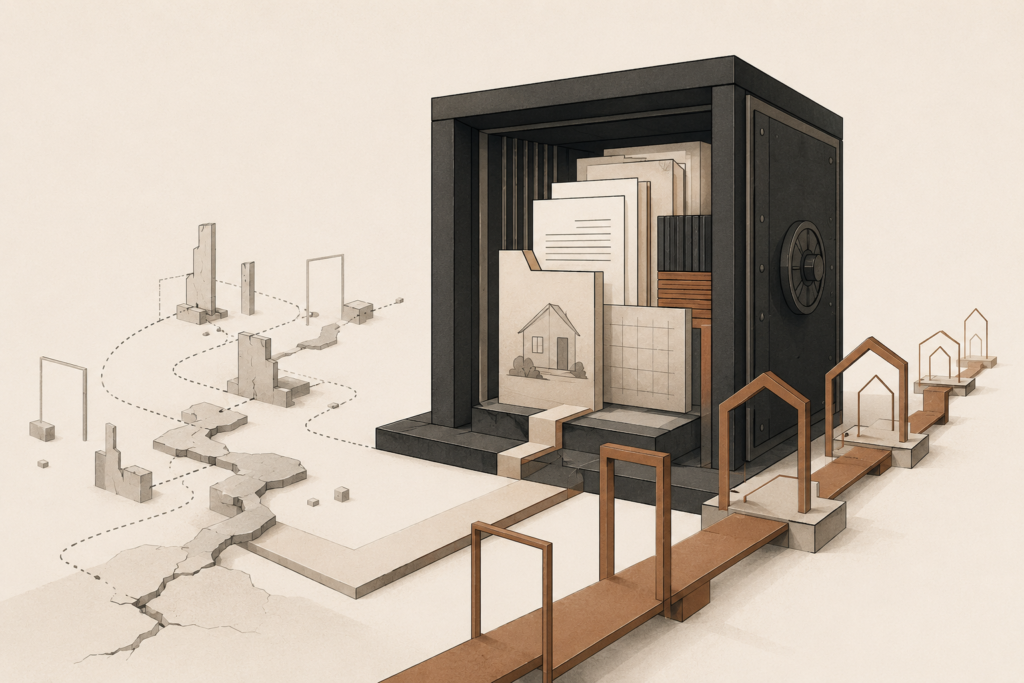
Most systems do not fail because people stop moving. They fail because friction compounds faster than progress. Reduce the unnecessary resistance, and the path forward becomes visible again.

Patriarchal systems were built for a physical economy. Today’s economy runs on care, coordination, and intelligence. This shift exposes hidden subsidies, capital inefficiencies, and structural misalignment across modern systems.

When identity drives policy, systems stop optimizing for results and start optimizing for perception. The cost is instability, complexity, and rising failure across every sector.

Your system is not failing all at once. It is failing in signals. Learn the 5 early signs before breakdown becomes collapse.
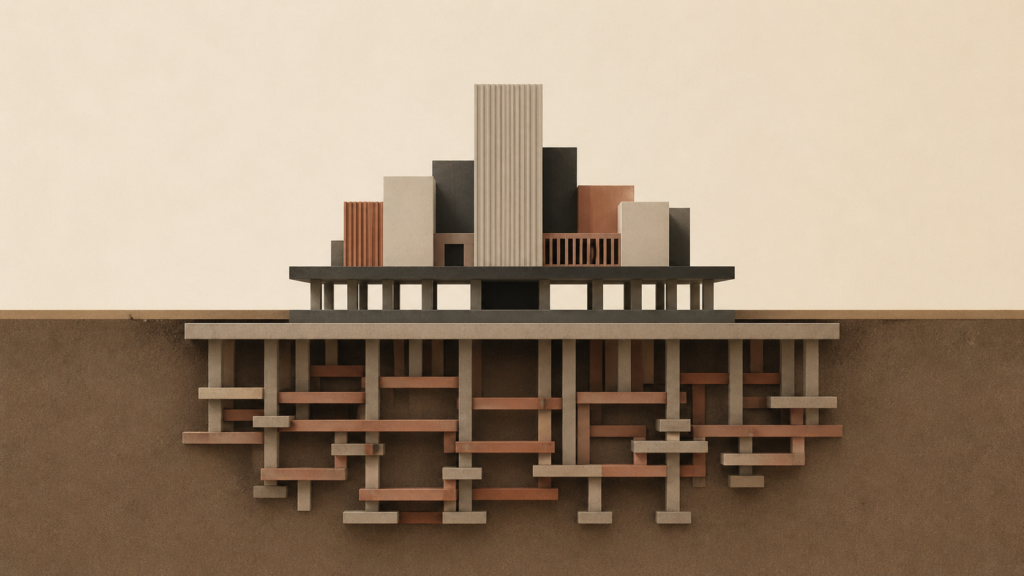
A system can appear stable while relying on hidden labor beneath it. The care economy is not supplemental. It is infrastructure. Until it is recognized, every visible outcome will be misread and mismanaged.
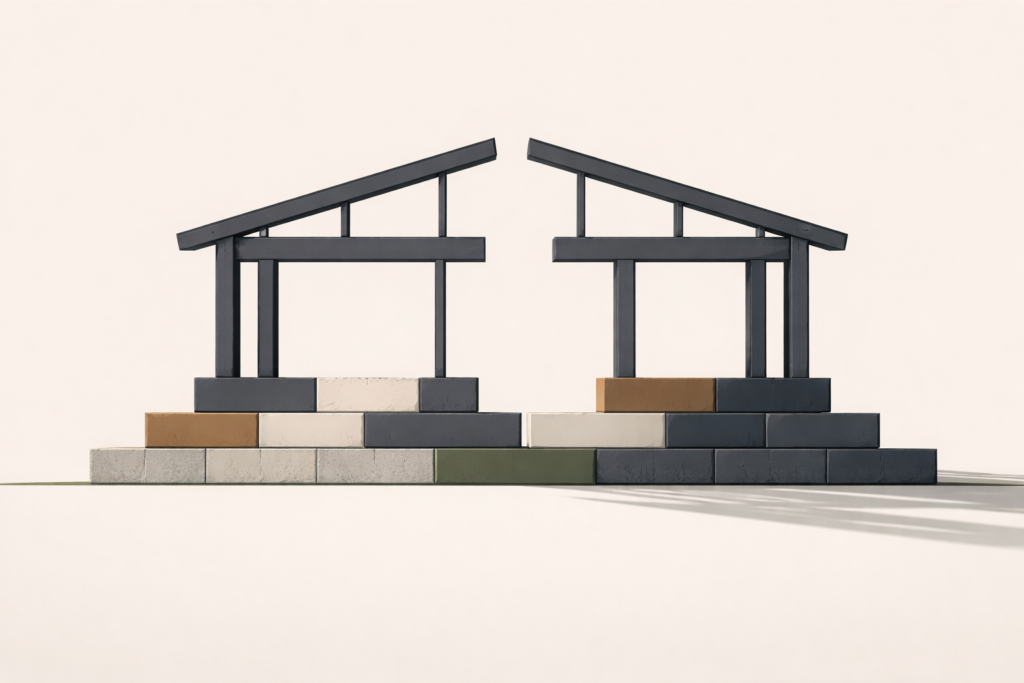
Modern dating is no longer governed by shared expectations but by shifting incentives that reward short-term gain over long-term commitment. This analysis explores how transactional behavior, digital abundance, and cultural drift are weakening relationship stability and, in turn, undermining family formation as a core pillar of social infrastructure.

The skilled worker economy is returning as labor shortages, infrastructure demands, and apprenticeship expansion reshape how societies value practical skill. Capability, not credentials alone, is becoming the foundation of economic resilience.
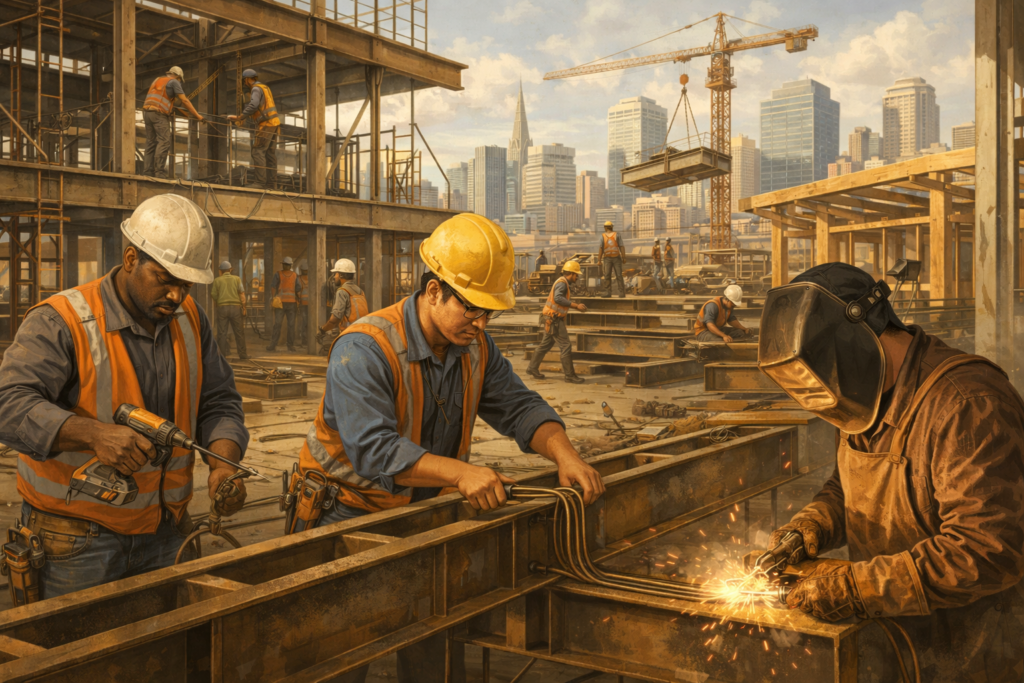
A growing skilled trades shortage is reshaping the labor market as infrastructure demand rises and fewer workers enter hands-on professions.