

The Myth of the One-Pot Marriage
Marriage finances under stress expose whether a partnership has governance or just good intentions. The one-pot ideal often confuses symbolism with structure, and pressure reveals the difference.
Marriage finances under stress expose whether a partnership has governance or just good intentions. The one-pot ideal often confuses symbolism with structure, and pressure reveals the difference.
Design for boredom so your system survives repetition. Reduce friction, protect the minimum, and let compounding happen on ordinary days.

Kitchen table politics does not trust relief that requires a decoder ring. If help comes wrapped in paperwork, delay, or conditions no household can track, it is not relief. It is fine print.

Stay steady when motivation fades. Habits and systems carry progress when the spark disappears and the mood stops cooperating.

Saying yes by default erodes attention and judgment. This piece explains how to design better no’s using structure instead of willpower.

The virality incentive problem begins when attention becomes a reward signal. What people stop for, react to, share, and repeat can gain distribution advantages long before accuracy, context, or judgment catch up.

Algorithmic news fragmentation changes what people encounter before they ever decide what to believe. When personalized feeds repeatedly reward emotional, familiar, and engaging content, the feed can start feeling like the world instead of one filtered view of it.
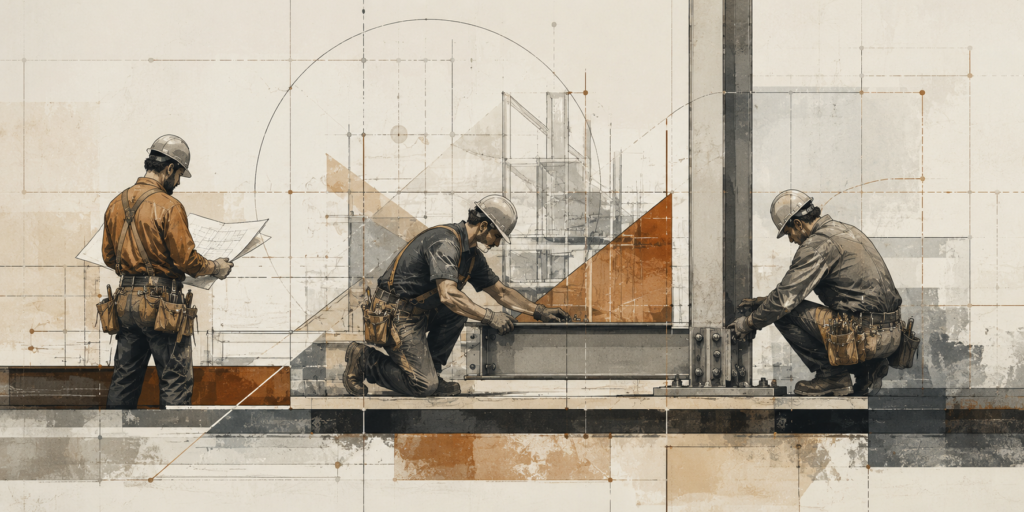
Discipline becomes process when standards, sequence, verification, and handoffs make skilled work repeatable beyond one worker—and strong enough to survive changing crews and conditions.
Peace often feels boring only because it is unfamiliar. When the nervous system grows up in chaos, calm does not register as safety. It registers as emptiness. Learning to sit with peace is not about losing passion. It is about retraining the body to trust steadiness.
Close the loop by reviewing results and making one small adjustment. Action creates momentum. Review prevents drift and keeps progress honest.

Go in peace with calm clarity. Not every space is meant for you. Learn the lesson, choose better energy, and move forward lighter.

Accountability keeps the weight off by turning discipline into a shared practice instead of a solo struggle.