
I Had to Admit I Was Emotionally Undisciplined
A personal essay about emotional discipline, self-audit, and the quiet work of rebuilding internal order without shame.

A personal essay about emotional discipline, self-audit, and the quiet work of rebuilding internal order without shame.
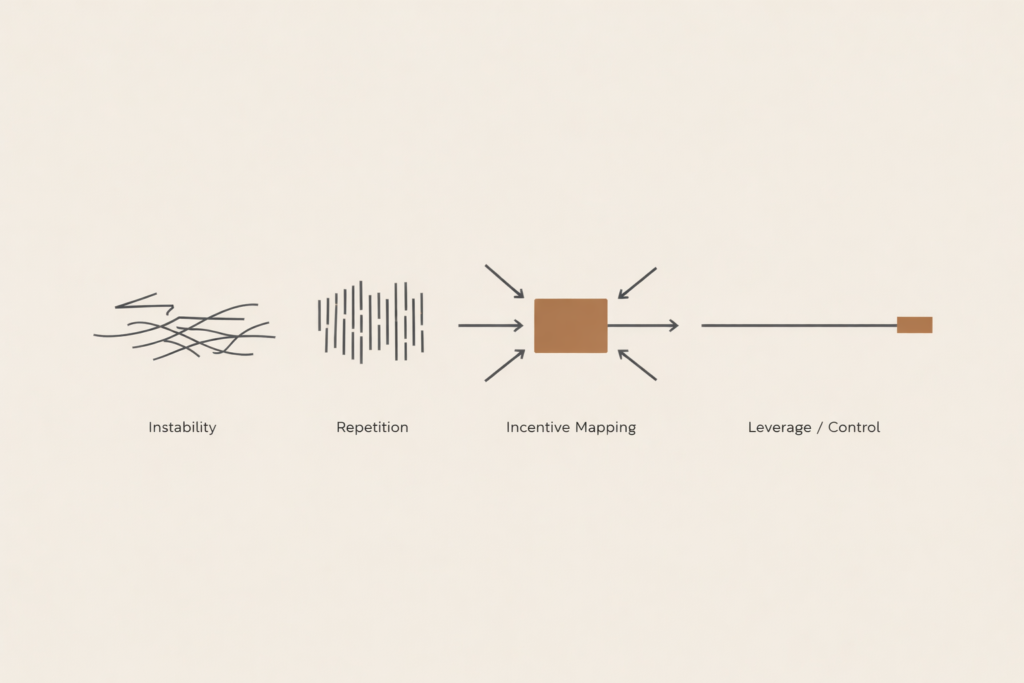
When pressure rises, individual events can overwhelm perspective. Pattern literacy teaches you to look beneath the moment, identify what keeps repeating, understand what sustains it, and act where leverage actually exists.
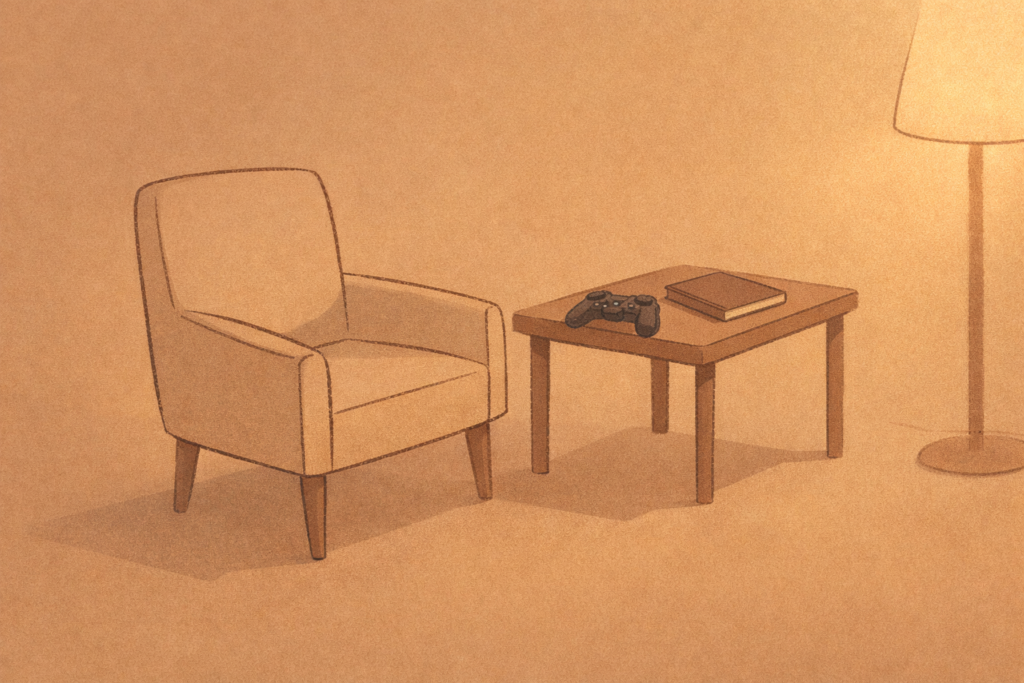
Gaming isn’t the problem. Avoidance is. This piece breaks down when gaming functions as healthy rest and when it quietly becomes a way to postpone responsibility.
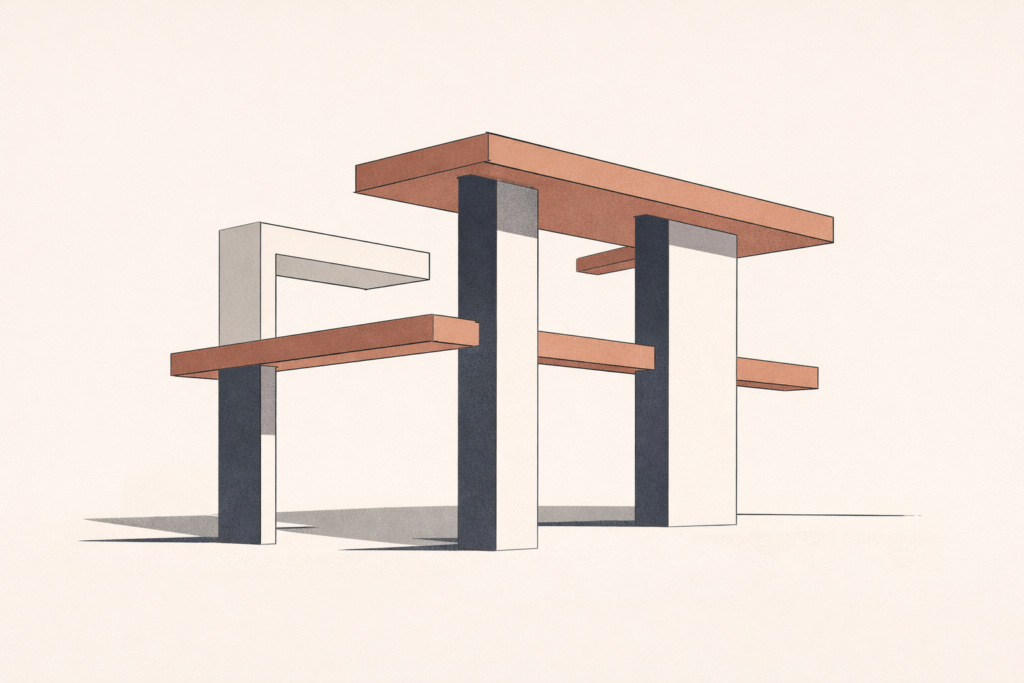
Recovery fails when it relies on relief instead of design.
Disciplined minds do not bounce back by escaping pressure. They recover by building margin into the system so stress no longer consumes everything at once.
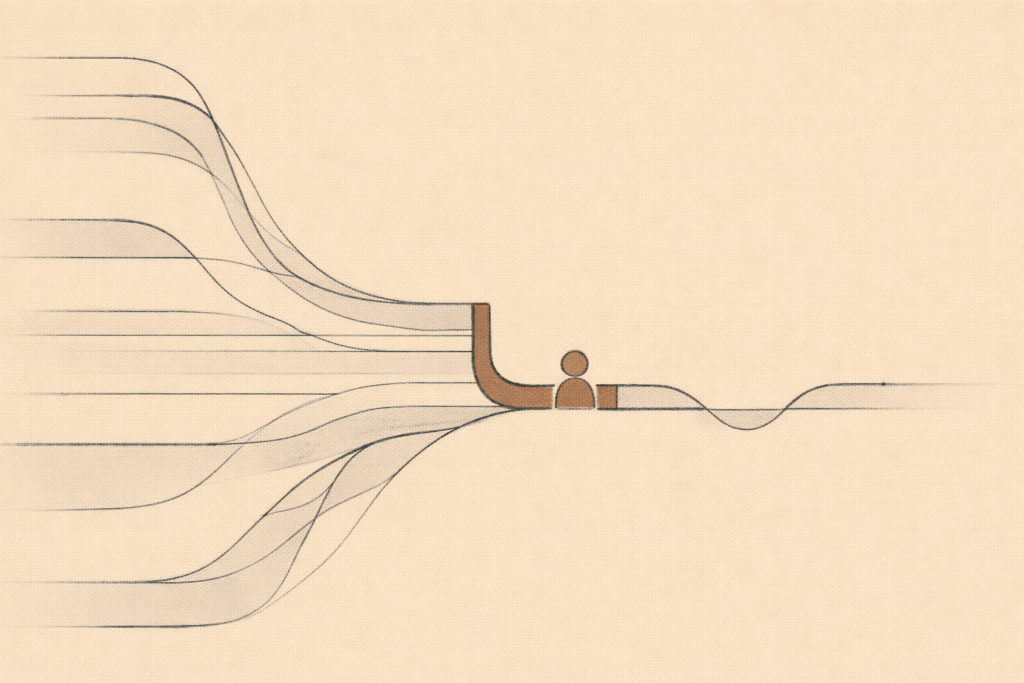
Tech as discipline is the practice of keeping humans in the loop. Automation should reduce effort, not remove judgment, responsibility, or authorship.
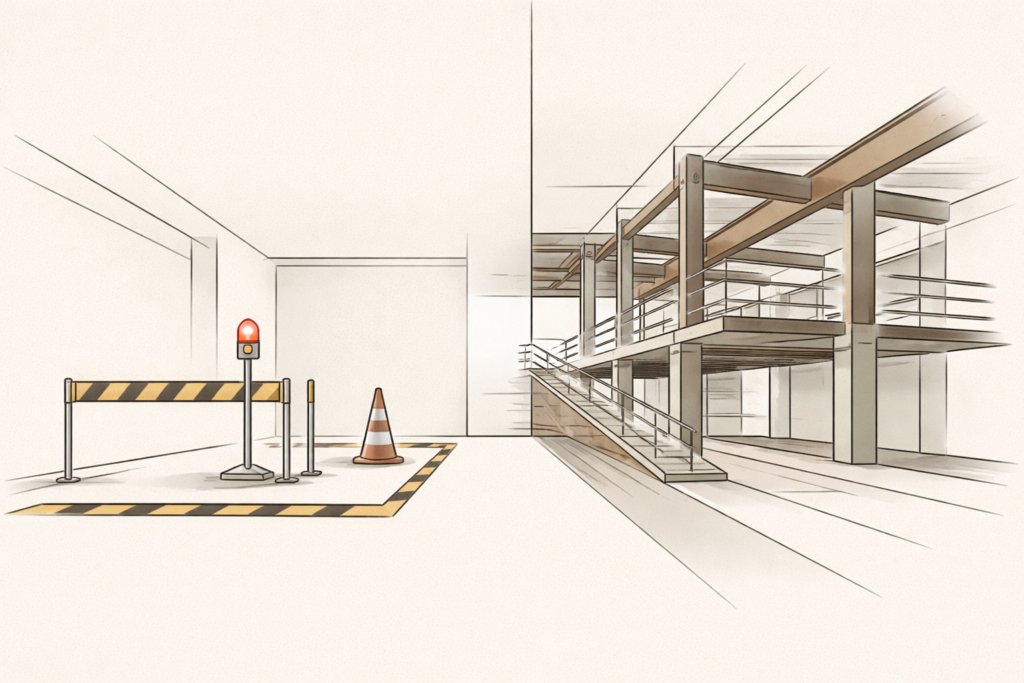
Warnings help children notice danger. Preparation teaches them how to move through it. The difference determines whether kids grow reactive—or capable.
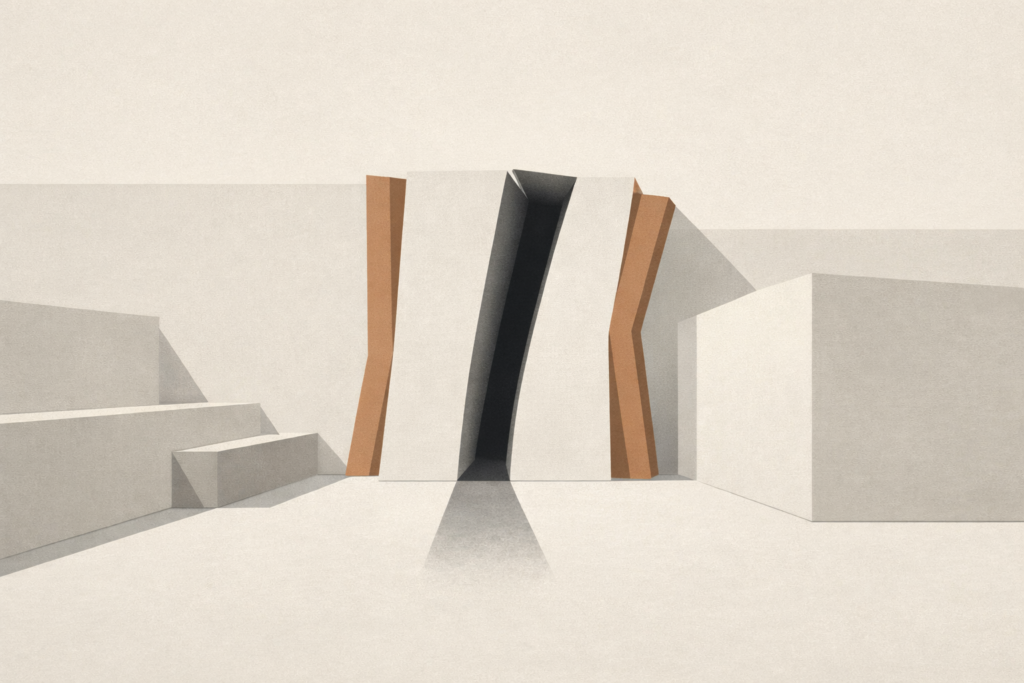
Attention under stress does not fail at random. It breaks at the weakest part of the system. What feels like loss of control is often a design limit being reached, not a personal failure.
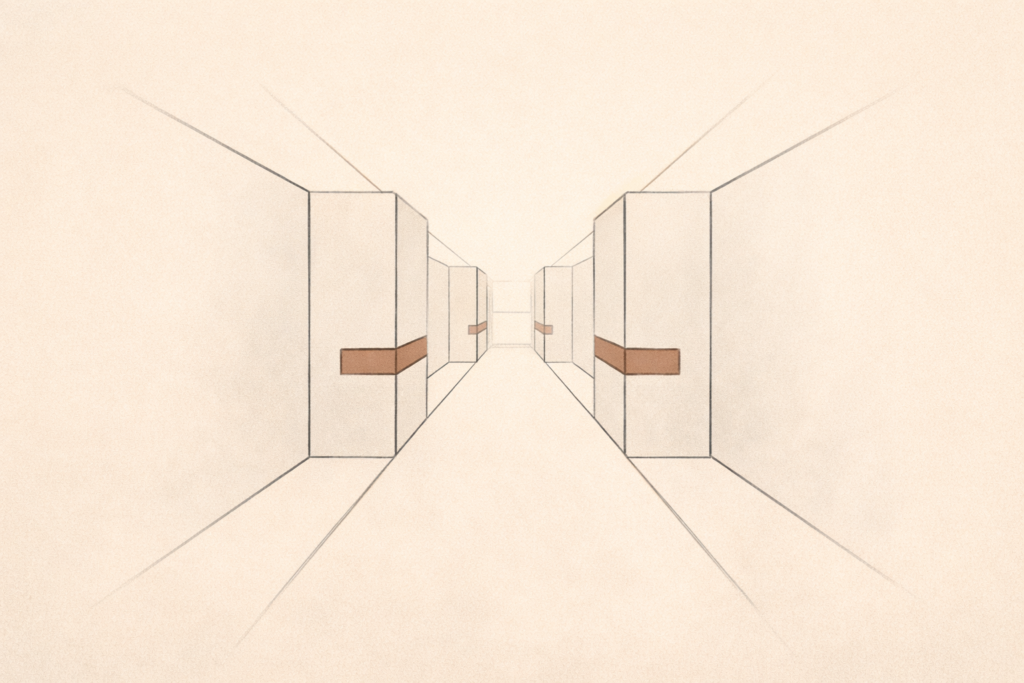
Friction is not failure. When designed intentionally, it protects judgment, pacing, and responsibility inside complex systems.
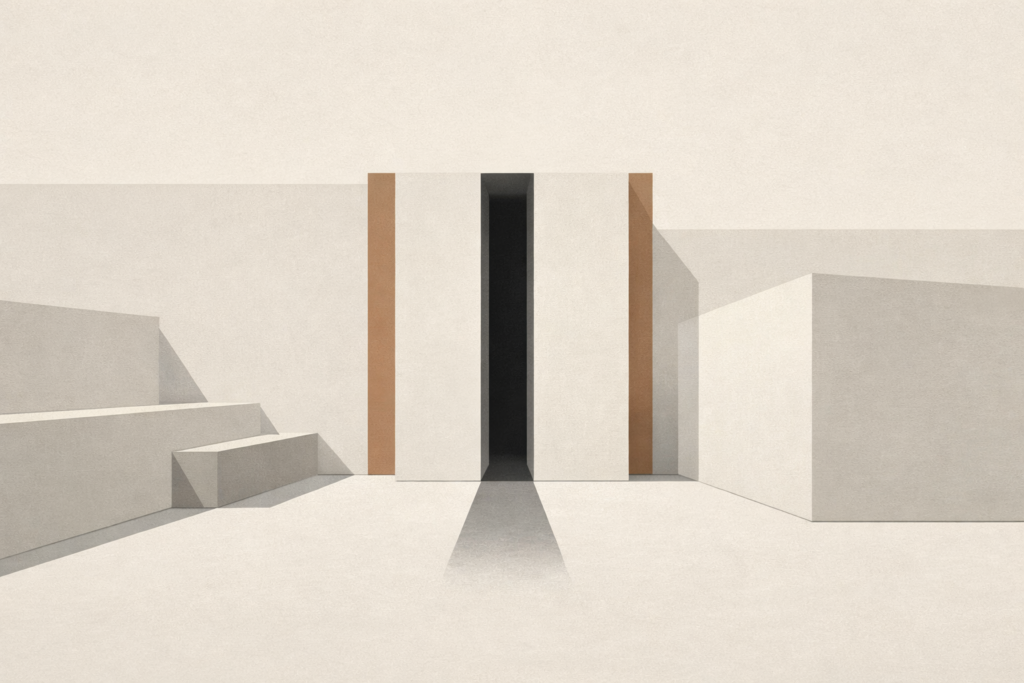
Attention is not something you find.
It is something you control.
Mind as discipline treats attention as a gate. When that gate is unmanaged, everything enters. When it is governed, clarity follows without force.
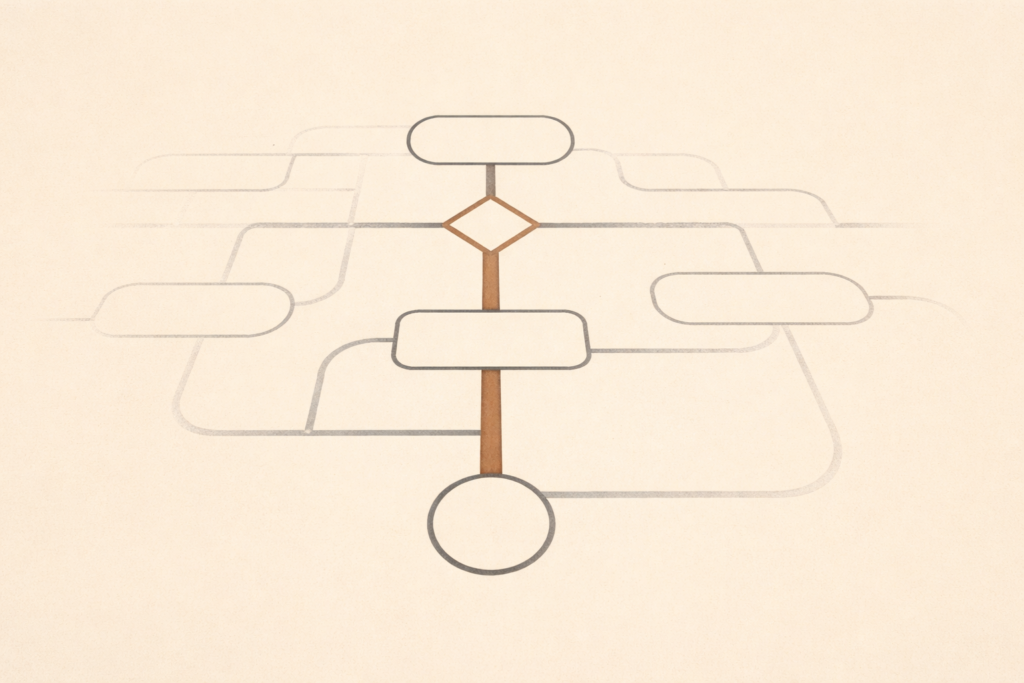
Most people don’t notice when systems begin deciding for them. Automation works quietly, until judgment fades.
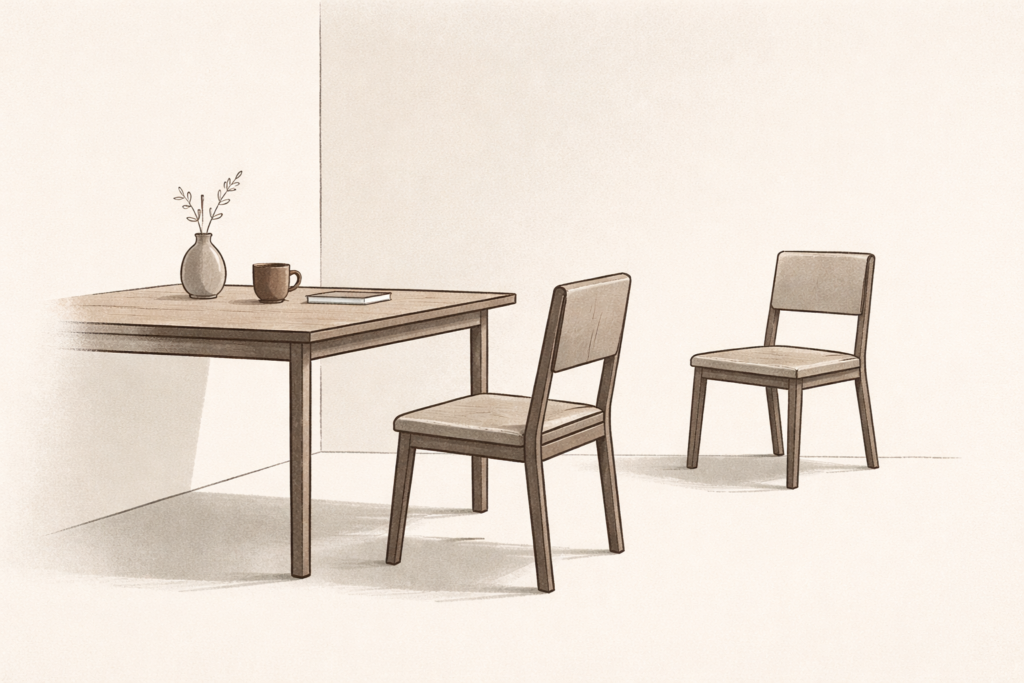
When strength turns into distance, it is rarely intentional. It happens quietly, as reliability teaches people not to look too closely. Over time, being dependable can mean being unseen.
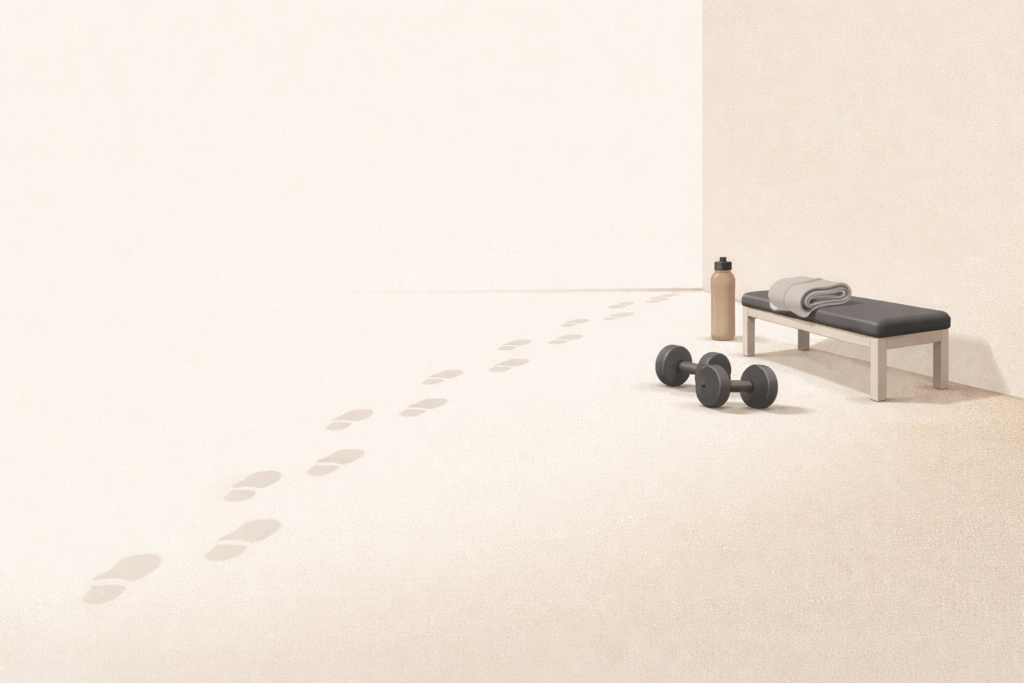
Still on your grind after the hype fades? Discipline is the quiet return. Reset today, protect what matters, and stay consistent when no one is watching.