

Mind as Discipline: Mental Control Is Structural
Attention does not become reliable by forcing more focus. It improves when you control what gets access, protect mental margin, and preserve judgment under pressure.

Attention does not become reliable by forcing more focus. It improves when you control what gets access, protect mental margin, and preserve judgment under pressure.

Technology promises efficiency. Discipline provides direction. Without structure, tools magnify disorder instead of progress.
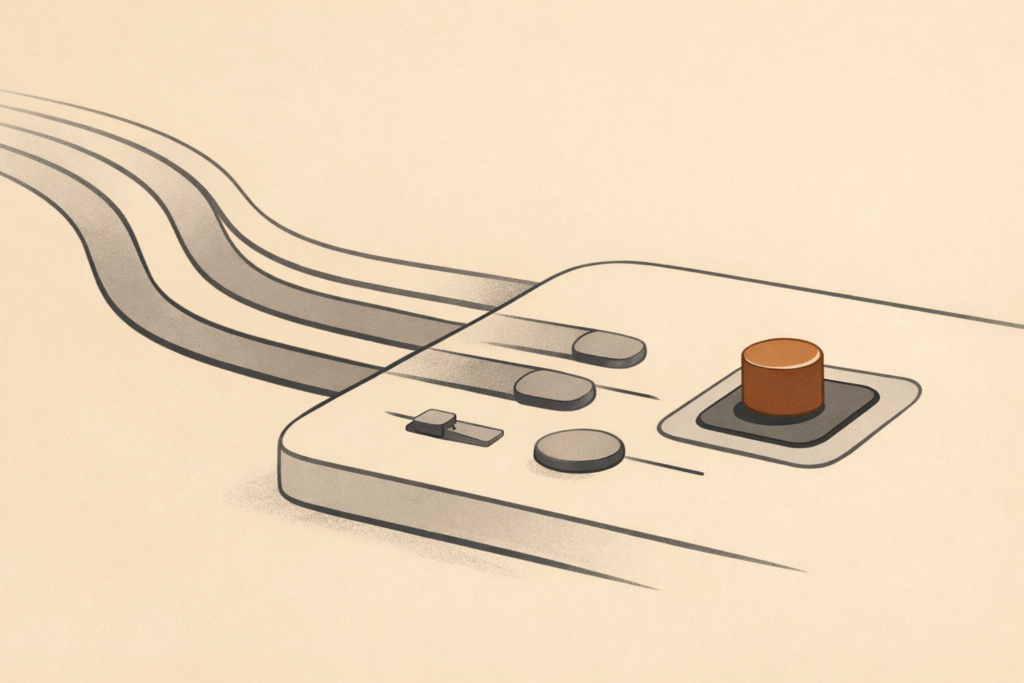
Convenience saves time, but it can quietly remove judgment. This reflection examines the cost of convenience automation and why disciplined human oversight still matters.

Stay steady when motivation fades. Habits and systems carry progress when the spark disappears and the mood stops cooperating.

Accountability keeps the weight off by turning discipline into a shared practice instead of a solo struggle.
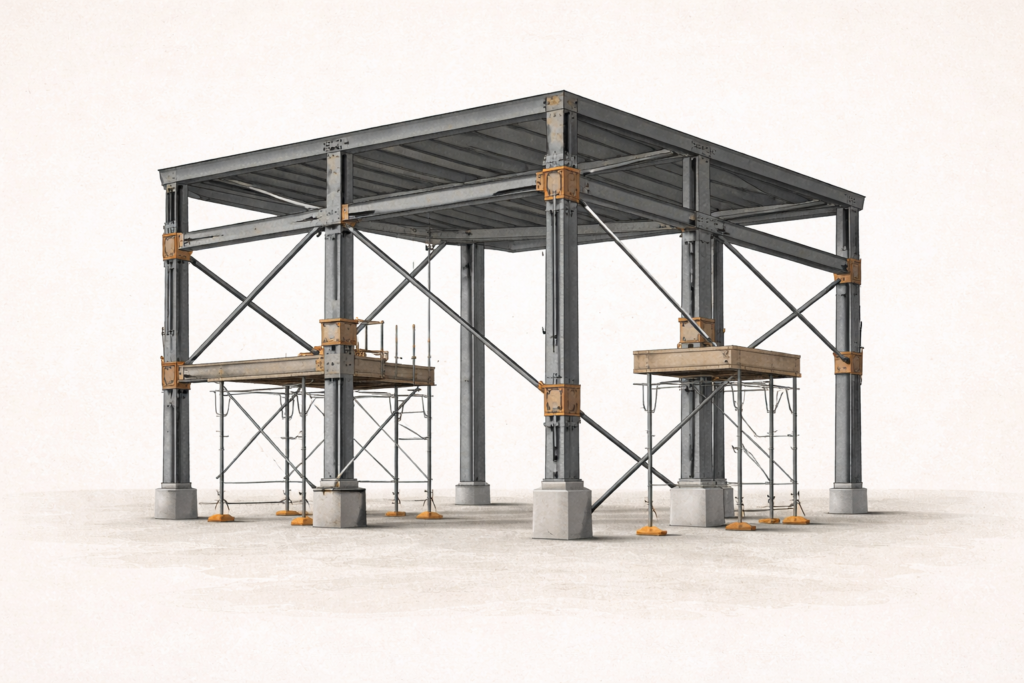
Recovery is not quitting. It is the biological system that makes discipline sustainable instead of destructive.

Discipline doesn’t begin with a date or a reset. It begins quietly, before momentum arrives, through consistent choices made without ceremony, audience, or permission.

Insulin resistance is not a motivation problem. It is a communication breakdown between energy, cells, and access.

Health is not about comfort or motivation. It is about governance. When the body and mind run on systems instead of moods, energy becomes reliable and pressure stops breaking the structure.
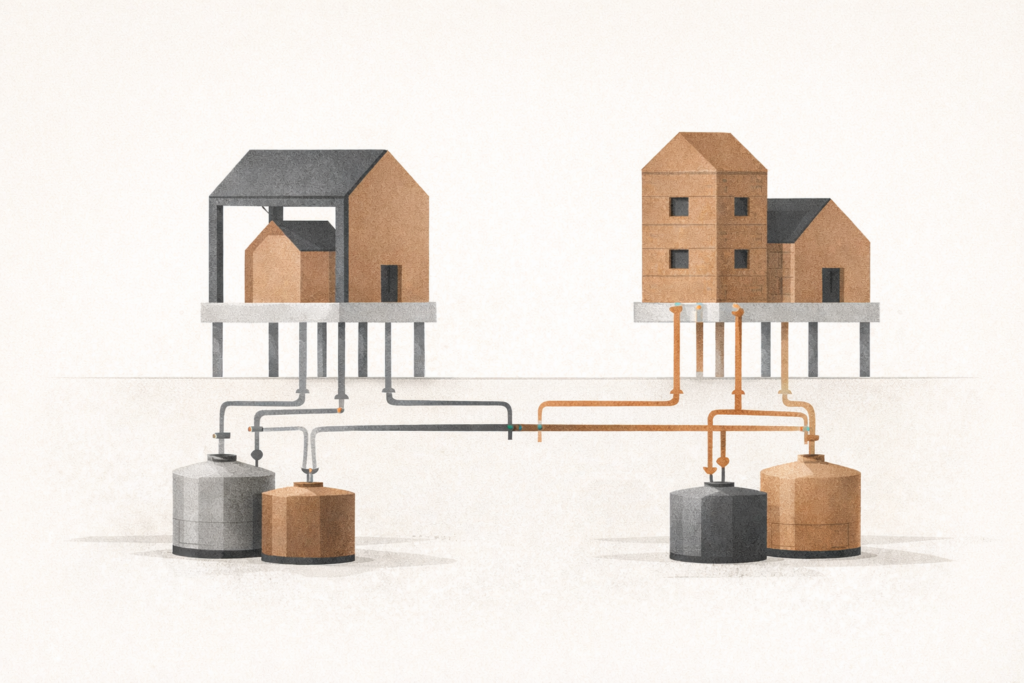
Standard fitness advice fails when it ignores metabolic variance. Different bodies process the same inputs differently, and the math matters.

Most fitness advice assumes a universal body. When the blueprint was never built for you, discipline means adaptation—not failure.

Digital discipline begins with emotional clarity. This guide outlines five guardrails for safe, structured AI use at home and in classrooms — helping families and students balance learning with self-control.