

Nice People Still Cross Lines
Some of the people who ignore your boundaries are not mean. They are nice. That is what makes it harder to notice.

Some of the people who ignore your boundaries are not mean. They are nice. That is what makes it harder to notice.

Somewhere along the way, being busy stopped being a schedule and became a personality. We started treating exhaustion like proof that we matter.
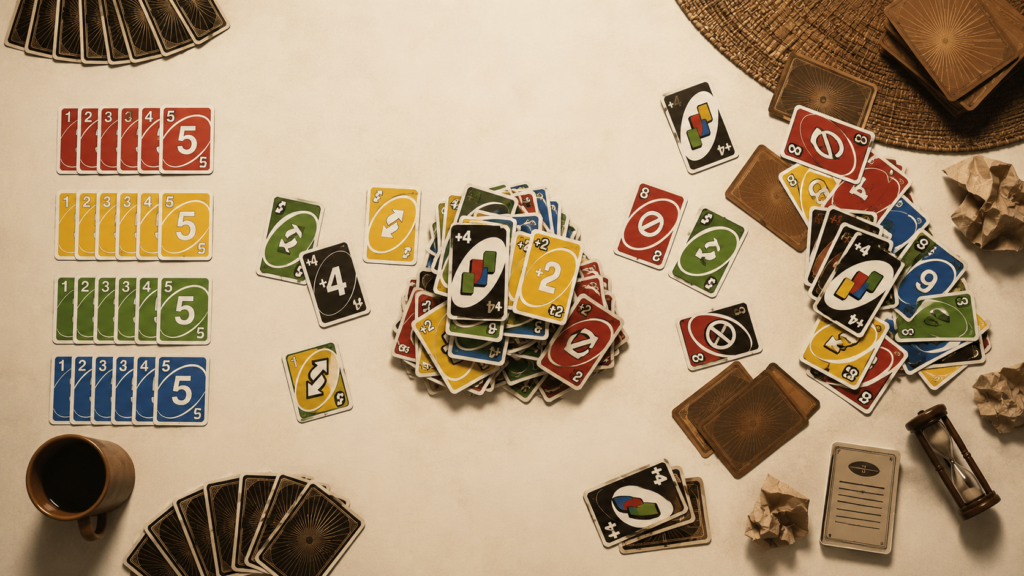
Sometimes the official rules matter less than the culture surrounding the table. Systems rarely stay untouched once people begin adapting them together.
Politeness keeps things smooth. Respect keeps things honest. They are not the same, and confusing them creates quiet resentment.
When you become clear, the people who relied on your confusion often feel threatened. Clarity doesn’t change you. It exposes the arrangement.
The soft life isn’t created by vibes or aesthetics. Without boundaries, ease collapses into availability, and rest becomes fragile instead of restorative.
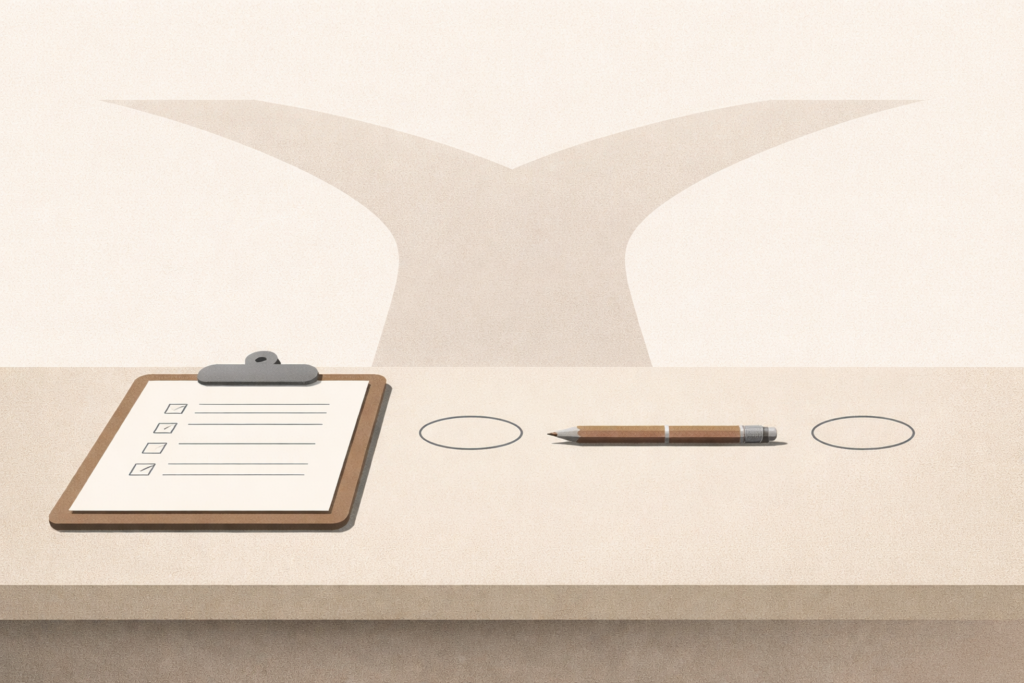
Most indecision isn’t confusion. It’s fear of regret in a culture that punishes mistakes more than stagnation.
What we call burnout is often grief in disguise. Not exhaustion from doing too much but mourning a life that no longer fits.

We aren’t overcommitted because we’re generous. We’re overcommitted because we avoid the discomfort of saying no.

Busyness isn’t just a personal habit anymore. It’s a cultural permission slip that keeps people moving without choosing and occupied without clarity.
Being busy as an excuse sounds responsible, but most of the time it has less to do with time and more to do with priorities, avoidance, and selective energy. This essay explores why “busy” became a socially acceptable explanation for choices we already made and what happens when we stop pretending otherwise.
We aren’t confused. We’re avoiding the math. This reflection examines how delay, misalignment, and soft excuses cost more than honest decisions ever will.