

Stacking the Odds: Why Pressure Builds Real Advantage
Pressure builds advantage. Without structure, it breaks you. With leverage, it multiplies your financial position.
Pressure builds advantage. Without structure, it breaks you. With leverage, it multiplies your financial position.

How do I trust God when I don’t understand? Reflect on uncertainty, honest questions, God’s character, and taking the next faithful step without seeing the whole road.

People still rest. They just explain it first. Somewhere along the way, rest stopped being allowed to exist on its own and became another thing to justify.

Character is rarely revealed during life’s biggest moments. It shows itself in the quiet decisions people make every day: returning borrowed tools, keeping promises, caring for what they own, and doing the right thing when no one is watching. Darius “Dee” Colson explores why the smallest habits often tell the biggest truths.

Focus is rarely built by adding effort. More often, it improves when attention stops leaking into unnecessary places.

Motivation gets you started, but consistency is what keeps promises, builds trust, and leaves things better than they were found. Darius “Dee” Colson explains why the ordinary routines we repeat matter far more than moments of inspiration.
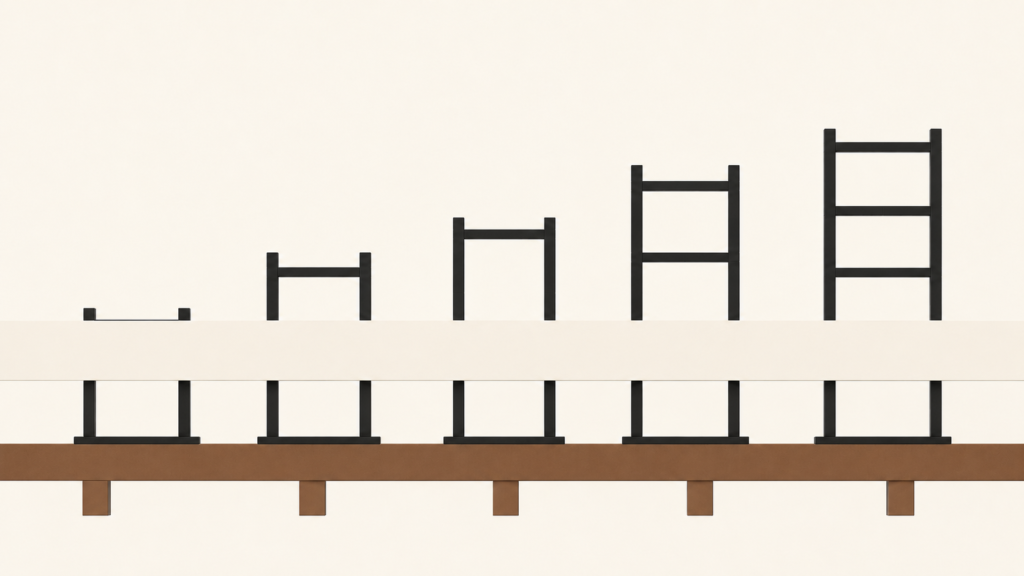
Do not mistake silence for absence. Some of the most important seasons of growth happen quietly before anything becomes visible.

Most people believe financial freedom begins with investing. It doesn’t. Long before the first dollar enters a retirement account, index fund, business, or property, financial habits have already established the direction money will follow. Investing magnifies existing behavior. It does not replace it. Without disciplined spending, consistent saving, delayed gratification, and structured decision-making, even the best investments struggle to create lasting wealth. Financial freedom is built through repeated behaviors that make ownership sustainable, not through a single investment decision. In this Economy & Ownership essay, Marcus Vaughn explores why disciplined financial behavior is the true foundation of wealth, how structure shapes long-term ownership, and why investing should be viewed as the result of a stable financial system rather than its beginning. Before money can compound, behavior must. The strongest investment portfolio in the world cannot overcome a financial system that lacks discipline, consistency, and purpose.

lowing down is not always resistance to rest. Sometimes it reveals how much identity, urgency, and attention have become tied to constant movement.

Most people think work ethic is about working harder. It isn’t. Real work ethic shows up in the small things people do when nobody is watching. Darius “Dee” Colson explains why consistency, maintenance, and keeping your word reveal more than long hours ever will.

The path becomes easier to hear when it no longer competes with proof, counting, or constant correction.
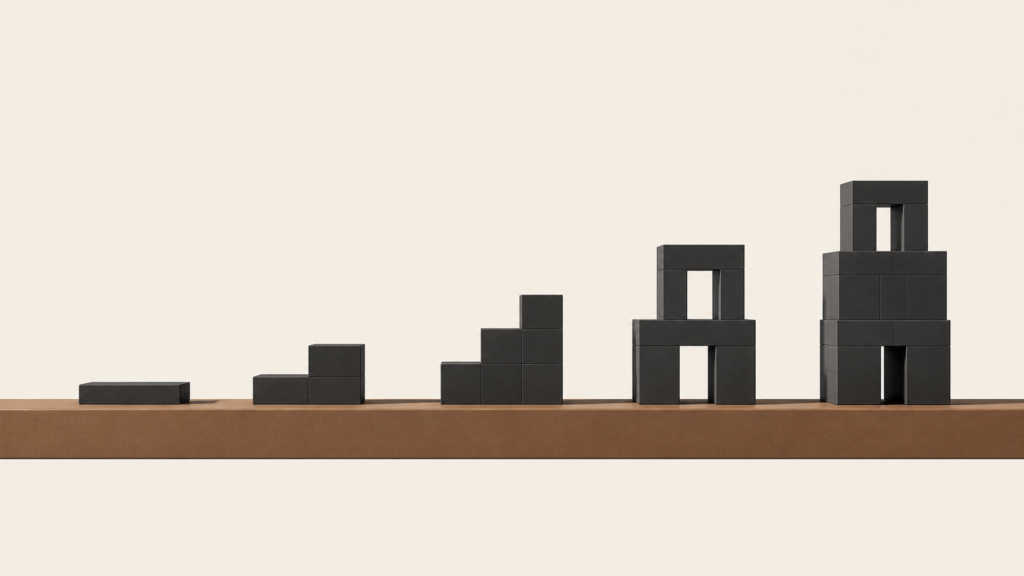
Do not judge the season too early. Some of the most important work in life becomes visible only after quiet periods of growth.