

The Rational Field: When No One Is Responsible, Everyone Pays
Shared accountability emerges when responsibility is diffused across systems. When no one owns decisions, the costs are paid collectively.
Shared accountability emerges when responsibility is diffused across systems. When no one owns decisions, the costs are paid collectively.
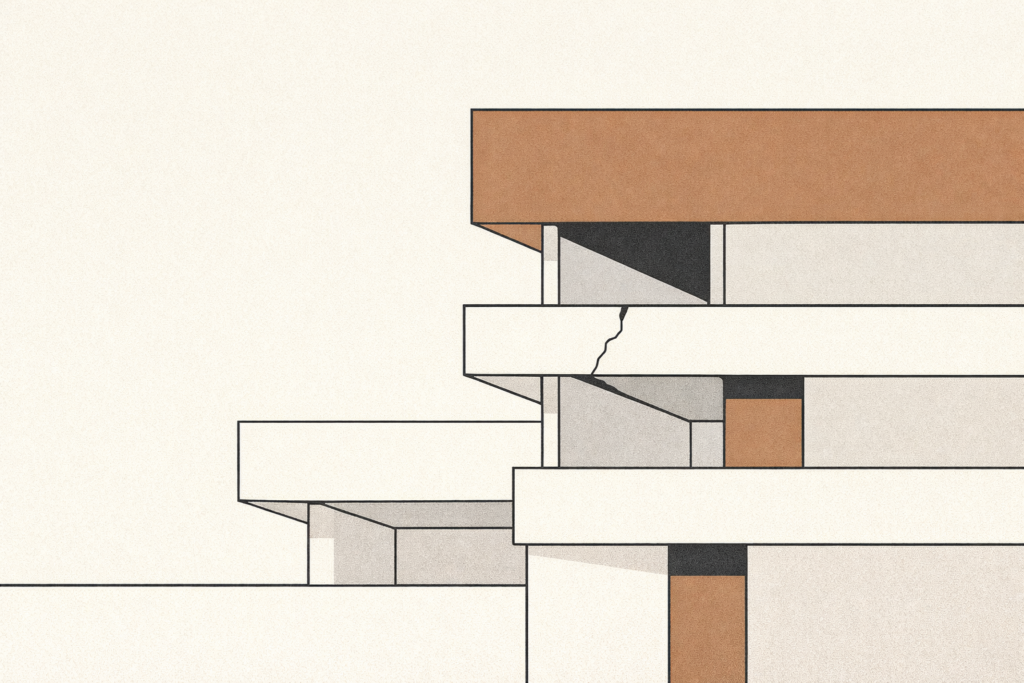
Deferred maintenance is not a budgeting mistake. It is a risk transfer strategy that rewards delay, hides true costs, and pushes consequences into the future. Over time, that quiet deferral becomes a moral hazard—one where institutions benefit now while the public pays later.

Democracies struggle with financial restraint not because voters are irrational, but because political incentives reward immediacy over patience. This entry explains why rules erode under pressure.
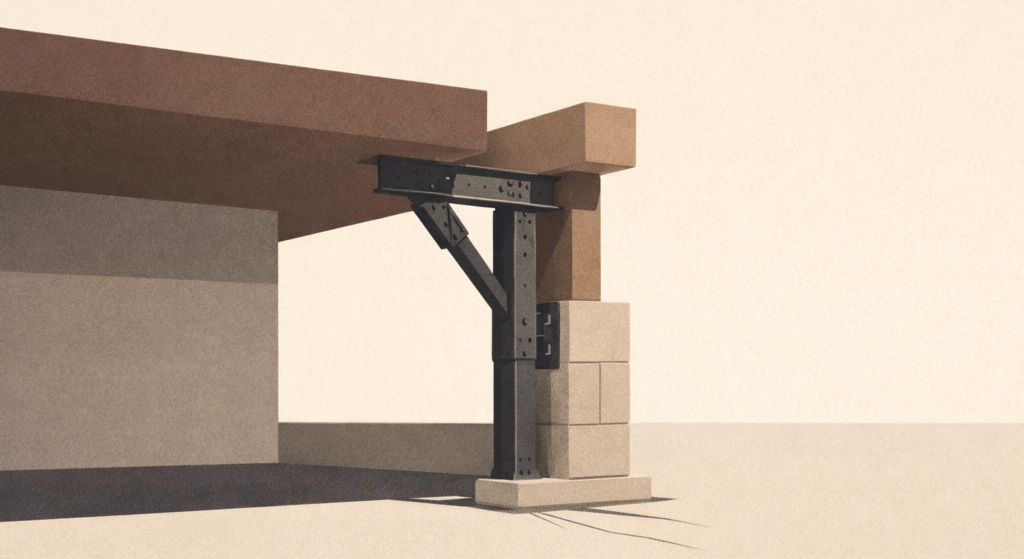
Reform is not free. Real change requires labor, oversight, training, systems, and capital to turn new standards into durable institutional capacity.

Order is not the enemy of freedom. It is the condition that allows freedom to exist at scale. When shared norms collapse, enforcement is forced to compensate, legitimacy erodes, and authority is mistaken for oppression rather than structure.
Sovereign wealth fund failure begins when restraint weakens under pressure. Some funds are drained. Others survive but lose strategic purpose. Both reveal the same flaw: rules must survive politics.
Authority does not require escalation. The strongest authority stabilizes early, acts with restraint, and maintains legitimacy without force.

A frequently cited gap between Black motherhood and Black fatherhood statistics is often used to assign blame. The data does not support that conclusion. This piece explains what the numbers actually measure, what they distort, and why misreading them leads to false narratives about responsibility.
Norway transformed oil revenue into lasting national power through discipline, rules, and restraint. This is what long-horizon governance looks like.
A sovereign wealth fund is not a slogan. It is infrastructure. This entry explains how nations use sovereign wealth funds to convert short-term advantage into long-term stability, and why those without them remain reactive.

Saying yes by default erodes attention and judgment. This piece explains how to design better no’s using structure instead of willpower.

Who profits from student loans? This System Update explains how public funding cuts, rising tuition, loan servicing, and policy incentives shifted higher education costs from shared infrastructure onto households.