governance

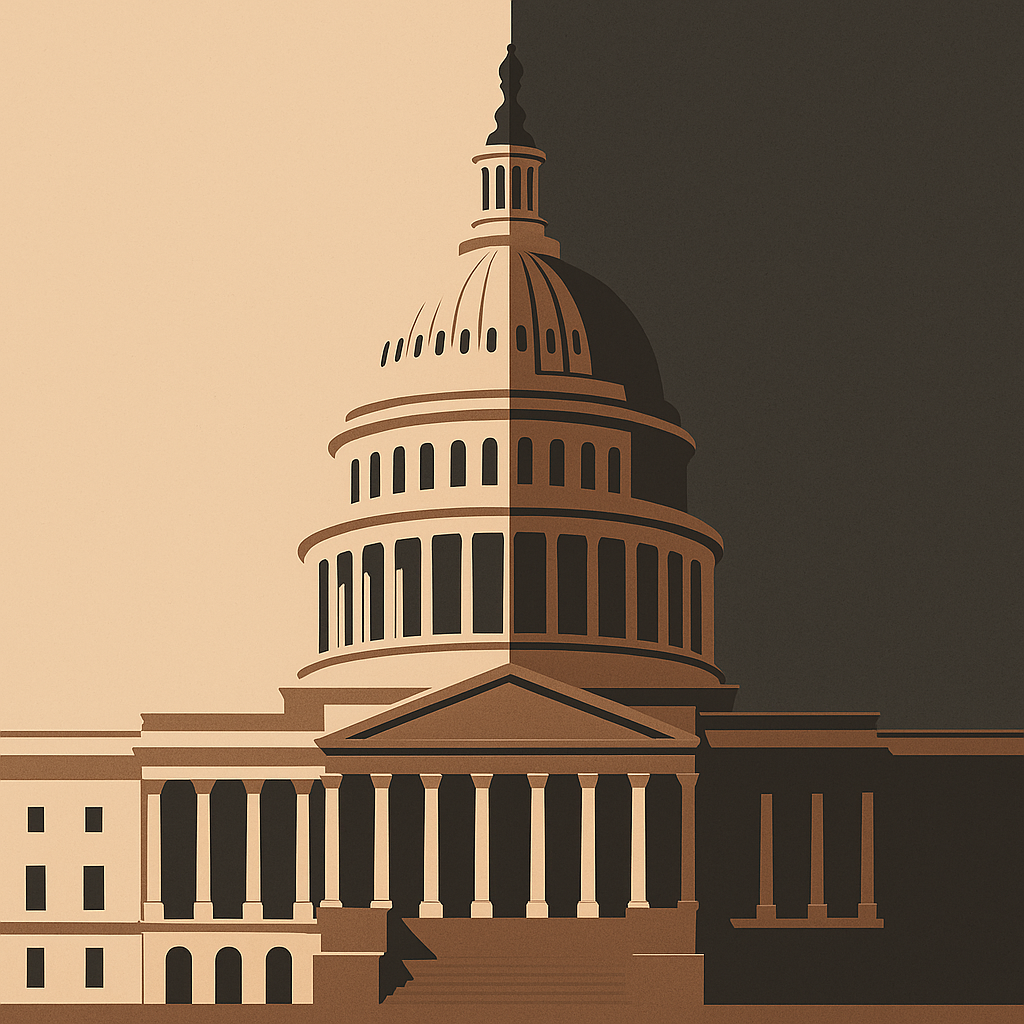
Illustration symbolizing wealth inequality and working-class division in Congress.
Civic Power & Policy

How Representative Systems Become Economically Self-Selecting

More than half of Congress are millionaires, a reality that exposes how wealth inequality and working-class division shape American democracy. When lawmakers write laws for their peers instead of their people, representation collapses into privilege. This System Updates analysis examines how class barriers, racial division, and campaign finance distort policy—and what structural reforms could restore accountability and multiracial solidarity.

Person in a cool-toned control room observing multiple data screens and network graphs, representing automation and system oversight.
Civic Power & Policy

AI and the Future of Work: Preparing for the Age of Automation

Artificial intelligence is not just changing jobs. It is changing the systems that shape work itself. As automation moves into every industry, the people and communities that thrive will be those that understand how technology, policy, and human judgment work together. The future of work belongs to builders who adapt with intention, not bystanders waiting for change to pass them by.

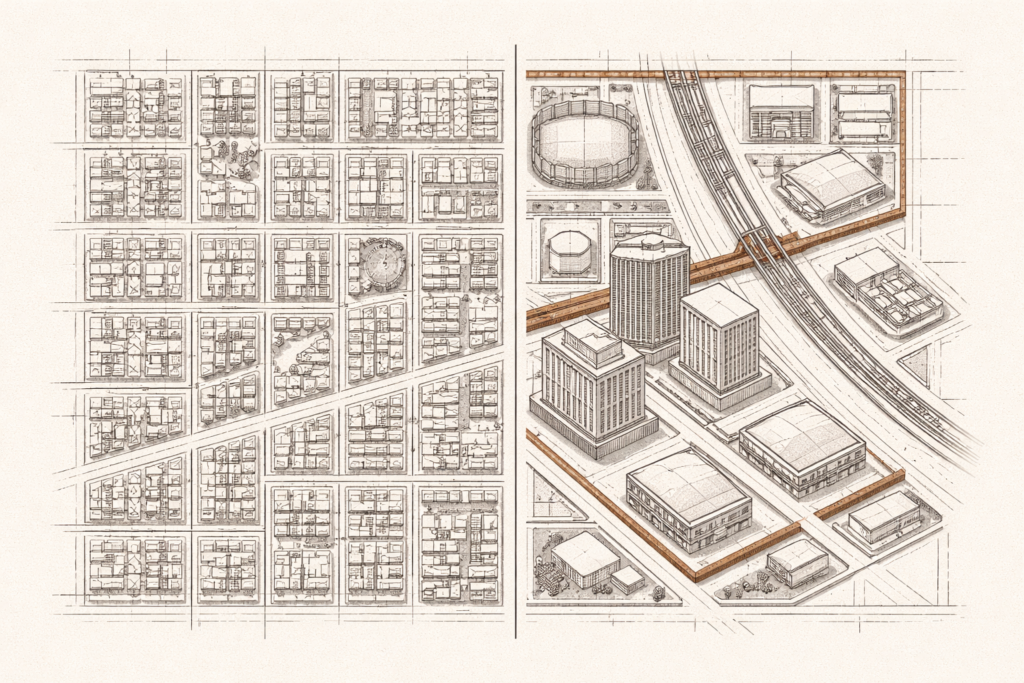
Minimalist blueprint illustration showing operating vs capital budget structure split into two civic systems with reinforced infrastructure blocks and repeating service blocks.
Civic Power & Policy

Operating vs Capital Budgets: The Split That Shapes Cities

Operating vs capital budgets define how governments allocate resources between daily services and long-term infrastructure. Operating budgets fund salaries, utilities, and recurring programs. Capital budgets finance roads, schools, transit systems, and structural improvements. Understanding this split clarifies how public priorities become physical reality through disciplined civic budgeting.

Community members voting at a local polling box, symbolizing local civic power.
Pillars

Local Voting Power: The Real Strength Hidden Down the Ballot

Some choices carry weight. Others disappear without impact. A ballot is not just a list. It is a structure. What gets selected rises. What gets ignored flattens into the background. Over time, patterns form. Priorities become visible. Neglect becomes measurable. Influence is not declared. It is built, line by line, decision by decision. What you choose to elevate determines what stands.

Scroll to Top