
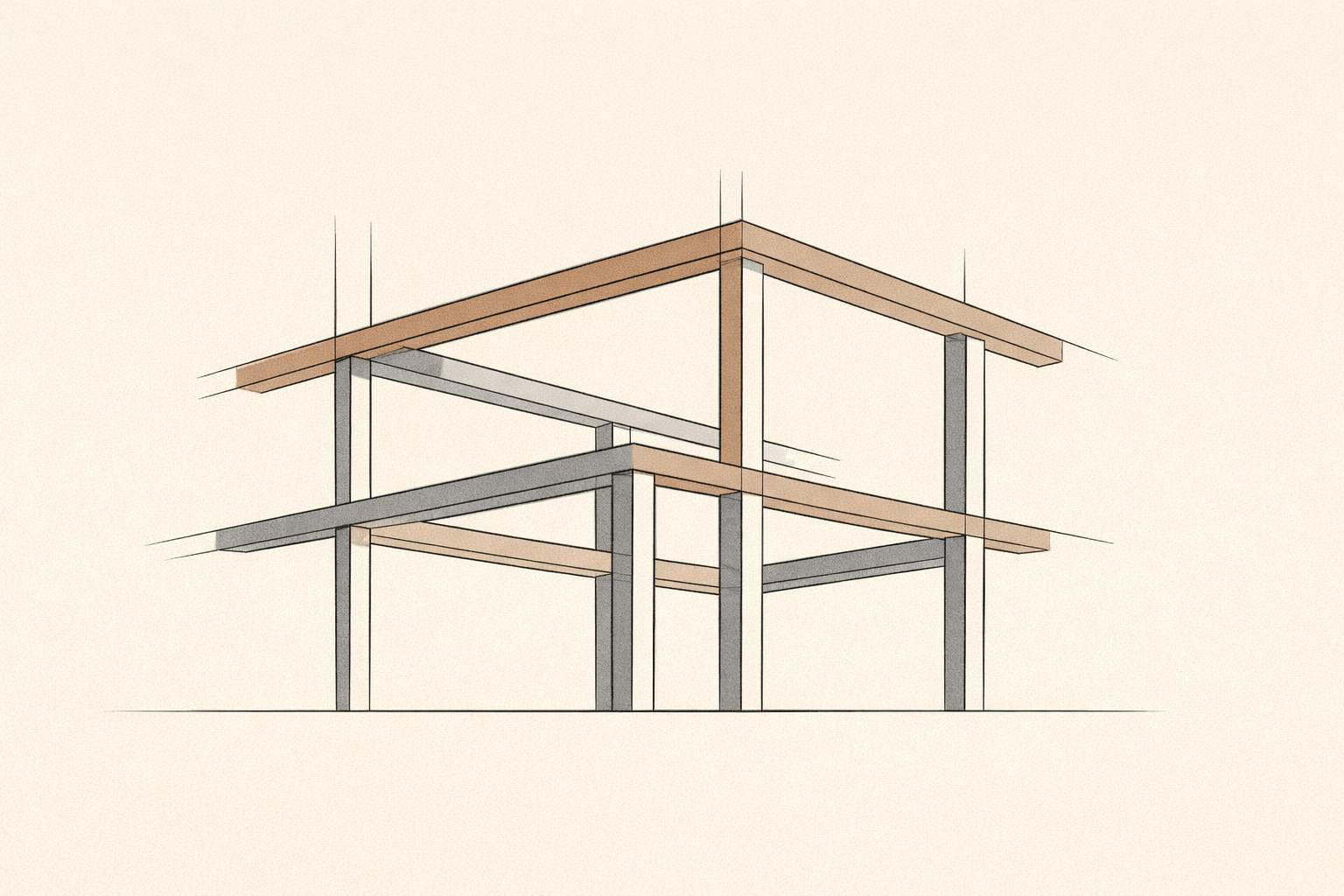
Structure precedes freedom. Without structure, freedom collapses under its own weight.
Stability first. Choice second.
Why structure precedes freedom
Choice requires boundaries to function. When limits disappear, decision-making becomes reactive instead of deliberate. Options multiply, judgment weakens, and clarity erodes. What appears to be openness often becomes noise. Noise increases friction, and friction undermines freedom.
How discipline makes freedom durable
Structure creates reliability. It reduces friction and allows energy to move with direction instead of scattering under pressure. Discipline preserves capacity. It protects attention. It ensures that freedom remains usable rather than exhausting itself through impulse and short-term thinking. This same logic underpins Discipline Before Dollars: sustainability follows order, not intensity.
Do boundaries increase freedom
They do when boundaries remove unnecessary choice. Every system that lasts installs order before autonomy. Organizations define process before scale. Economies establish rules before markets can function. Even creativity depends on constraint to produce coherence instead of chaos. In every durable system, structure precedes freedom.
At the individual level, the pattern holds. Routines protect focus. Standards protect decision-making. Commitments protect future choice by preventing short-term erosion. Without structure, freedom becomes brittle. It bends under stress and fractures when tested. When motivation keeps failing, the issue is usually missing structure rather than missing desire, a theme explored further in Why Motivation Keeps Failing (And What Actually Holds).
When structure is absent, groups often substitute emotion for standards. The result looks like unity, but it does not hold. That is why Unity Is a Practice, Not a Feeling matters: it defines the rules that keep cooperation stable under pressure.
Research in systems theory consistently shows that durable freedom emerges from well-designed constraints rather than unlimited choice Stanford Encyclopedia of Philosophy. Systems must hold before they expand.
Freedom arrives after stability, not before. Structure comes first. Then choice gains weight. Then autonomy becomes durable rather than fragile.
That order is not negotiable.
Further Groundwork
