

Care · Adjustment · Repair
Reciprocity in relationships isn’t equal effort at every moment. It’s a working arrangement where responsibility, care, attention, support, adjustment, and repair can actually move when life changes.
The Structural Reframe
Reciprocity is not matching every contribution. It is maintaining a relationship where contribution can move.
It usually doesn’t start with a dramatic betrayal.
It starts with something small.
One person remembers the appointment. One notices the bill. One circles back after the argument. One checks whether the fridge is empty, whether the kid needs something for school, whether the family calendar still works, or whether the other person’s gone unusually quiet.
At first, that person might not mind carrying more. It can even feel like love.
Then repetition changes what it means.
What started as generosity becomes the normal arrangement. What started as help becomes responsibility. Eventually, one person’s reliability becomes part of the relationship’s infrastructure.
That’s where reciprocity turns into more than a nice idea.
It becomes a stability system.
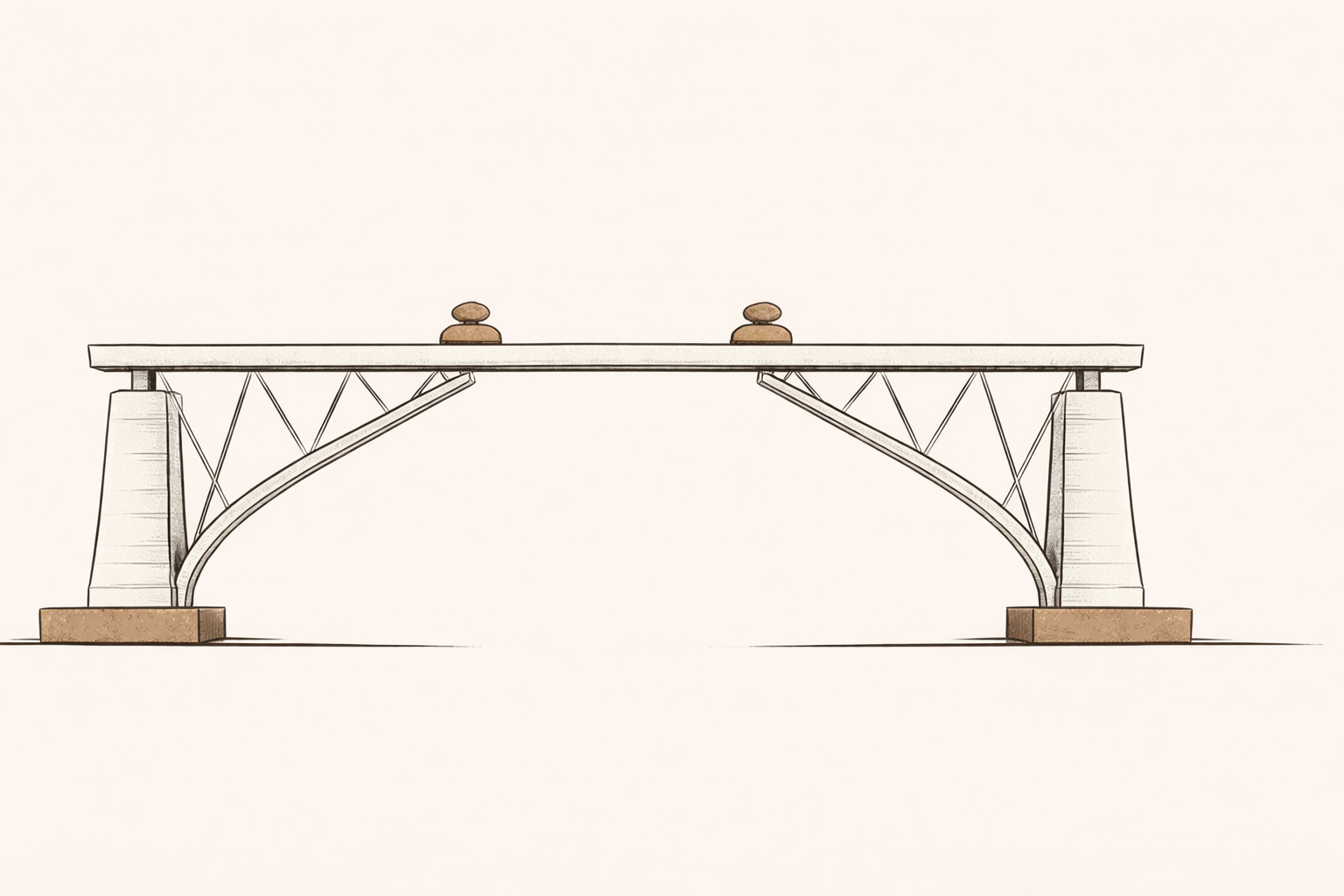
Stability
Why Reciprocity in Relationships Determines Stability
Every relationship carries weight.
Emotional needs are part of it. So is financial pressure, household work, family obligations, planning, decision-making, caregiving, and the quiet labor it takes to keep daily life running.
The load also shifts by season.
A demanding job can temporarily change who handles more at home. Illness can shift responsibility almost overnight. Kids, aging parents, grief, school, unemployment, or a financial setback can do the same.
Unequal Weight Is Not the Problem
Real partnership won’t always split fifty-fifty.
Sometimes one person has twenty to give and the other has eighty. Later, it might flip.
Instability starts once a temporary imbalance quietly becomes the permanent operating model.
One person keeps adapting. The other keeps receiving. One keeps noticing. The other waits to be told. One keeps returning after conflict. The other waits for the relationship to fix itself.
Healthy reciprocity keeps a hard season from turning into somebody’s permanent job description.
A Necessary Distinction
Relationship Reciprocity Is Not Scorekeeping
A relationship doesn’t need a ledger for every act of care.
If one person cooks tonight, the other doesn’t automatically owe tomorrow’s dinner. If one partner carries more financially during a rough year, daily life doesn’t need to turn into a repayment schedule.
That’s accounting.
Reciprocity asks a different question:
When the load changes, does the relationship respond?
Reciprocity
Responds to the Load
Contribution shifts as capacity shifts. Both people stay aware of what the relationship needs and adjust once circumstances call for it.
Scorekeeping
Responds to the Ledger
Every contribution creates a debt. Care turns transactional, and generosity starts waiting around for repayment.
Healthy reciprocity should be visible without needing to be itemized.
The problem is not carrying more for a season. The problem is discovering that the season never ends.
Drift
How Reciprocity Breaks Down
Imbalance rarely announces itself. It usually develops through repetition. Slowly, the relationship moves away from the operating standard both people thought they were maintaining.
That drift often shows up in ordinary patterns before anybody names the larger problem.
One Person Always Initiates Repair
Conflict ends because the same person keeps coming back, opens the conversation, lowers the temperature, or reaches out to reconnect.
One Person Carries the Mental Load
Someone remembers what needs to happen, when it needs to happen, who needs something, and what’s still unfinished.
One Person Does Most of the Adjusting
Schedules, routines, preferences, family demands, and emotional patterns keep requiring flexibility from the same side.
Support Becomes Assumed
What used to feel generous starts feeling mandatory because it’s expected instead of recognized.
Effort Becomes Invisible
The relationship still runs, but the work it takes to keep it running disappears from view.
Recognition
Healthy Reciprocity Requires Visible Effort
People can get resentful even when the other person technically pulls their weight.
Sometimes the problem isn’t effort itself. It’s visibility.
When one person’s work is obvious and the other’s happens quietly in the background, both people can end up with a warped picture of who’s actually carrying more.
Recognition Keeps Work From Disappearing
“I saw that you handled that.”
“I know this week required more from you.”
“Thank you for carrying that while I couldn’t.”
Those sentences don’t replace contribution. They do keep it from disappearing.
People can usually carry a hard season longer when they know the weight is being seen instead of silently assigned.
Accountability
Reciprocity Requires More Than Appreciation
Gratitude matters. Still, appreciation can’t substitute for actually adjusting anything.
Imagine hearing “I appreciate everything you do” every week while everything you do stays exactly the same.
Eventually, gratitude loses its credibility.
Reciprocity needs evidence.
Responsibilities might need to move. A recurring task might need a new owner. The person who rarely initiates repair might need to start.
Sometimes the better answer is subtraction. Stop doing something that no longer earns the cost it places on the household.
Awareness becomes accountability once it actually changes behavior.
Practice
Relationship Reciprocity Has to Be Learned
People don’t enter relationships with the same model of contribution.
Families teach different rules about giving, receiving, asking, sacrifice, gender, and responsibility.
Some homes teach people to anticipate needs before anybody asks. Others teach that help should always be requested directly.
Some people learn that love means giving freely. Others learn that receiving creates a debt.
Those lessons show up in adult relationships whether anybody ever talks about them or not.
Inspect the exchange.
- Who adjusts when plans change?
- Who notices work before someone asks?
- Who initiates difficult conversations?
- Who usually restores connection after conflict?
- Who carries more when outside pressure enters?
- When that person gets tired, does the system respond?
Circulation
The Real Test Is Whether Care Can Move
Nobody wants a relationship measured like a spreadsheet.
But rejecting scorekeeping shouldn’t mean ignoring an imbalance that never goes away. Those are two different problems.
The better questions are structural.
Does care circulate?
Does responsibility circulate?
Can sacrifice move when circumstances change?
Does attention shift toward whoever needs more during a hard season?
Can repair come from either side?
Reciprocity is confidence that support won’t permanently travel in only one direction.
Legacy In Motion Framework
The Five-Part Relationship Reciprocity System
Strong reciprocity usually runs on five operating behaviors.
Notice
See what the other person is carrying before it goes invisible.
Acknowledge
Name the effort so contribution doesn’t turn into an automatic resource.
Respond
Adjust once the other person’s capacity, circumstances, or responsibilities change.
Contribute
Carry real weight without waiting for it to be assigned to you.
Rebalance
Revisit the arrangement once a temporary division of labor starts looking permanent.
What It Builds
Healthy Reciprocity Gives Trust Evidence
Reciprocity changes how a relationship experiences pressure.
Contribution stays visible. Asking for help feels safer. Responsibility feels less permanent because both people know the arrangement can shift when capacity shifts.
Most importantly, trust gets evidence behind it.
Trust stops being only, “I believe you care about me.”
It becomes: “I have watched you respond when I could not carry everything.”
Practical Audit
The Relationship Reciprocity Test
A relationship doesn’t need perfect balance every day. It does need a system that can recognize and correct an imbalance that keeps sticking around.
-
Does support move in both directions?
One person shouldn’t permanently become the relationship’s support infrastructure. -
Can either person need more without becoming a burden?
Strong relationships allow temporary imbalance without turning need into shame. -
Do both people notice the invisible work?
Contribution can’t be valued if nobody notices it’s happening. -
Does appreciation lead to adjustment?
Gratitude matters, but a persistent imbalance eventually needs actual behavior change. -
Can roles change?
A responsibility that showed up during one season shouldn’t automatically become a permanent identity. -
Is care circulating or piling up on one side?
The answer tells you whether reciprocity is actually working or just being assumed.
The Groundwork
Look for the Place Where Care Stopped Moving
A lot of relationships don’t weaken because the affection disappeared.
They weaken because the contribution went static.
One person kept carrying. The other stopped noticing. One kept adapting. The adjustment became permanent. Eventually, generosity turned into expectation.
Reciprocity interrupts that drift.
Love can create willingness. Reciprocity builds a system that can actually carry that willingness through time.
Five questions to carry into the relationship:
- What am I receiving that I may have started taking for granted?
- What is the other person carrying that I don’t regularly see?
- When circumstances change, does our division of responsibility change too?
- Who usually initiates repair, adjustment, and reconnection?
- What can I contribute without waiting to be asked?
What Gets Carried Forward
A household teaches reciprocity long before anyone puts a word to it.
People watch who gets helped, whose exhaustion matters, who’s expected to adjust, and whether responsibility ever actually moves.
Repeated long enough, those patterns become somebody else’s definition of partnership.
What a relationship treats as normal today can become the relationship model carried forward tomorrow.
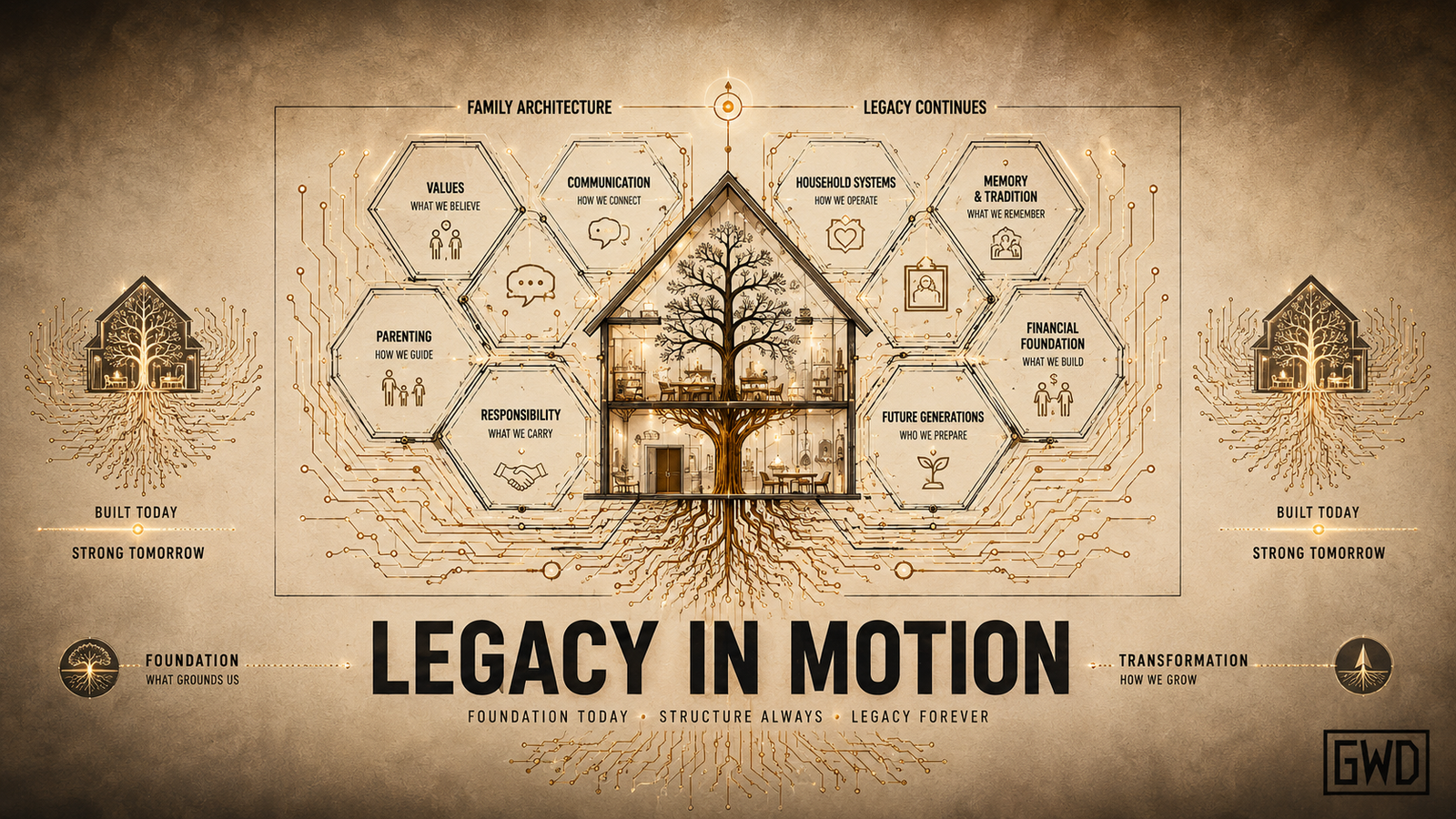
Continue Building
Follow the Relationship Structure
Reciprocity gets easier to see once you look at what happens after responsibility, fairness, and interdependence stop being abstract ideas.
Groundwork Architecture
The Principle and Condition Beneath This Work
This article looks at what lets a relationship recognize an imbalance and correct how responsibility is actually being carried.
Core Principle
Accountability Is a Form of Strength
Reciprocity gets durable once both people can own the effect they’re having on the relationship and help change an arrangement that’s stopped working.
Primary Condition · Corrects
Accountability
Accountability notices when the operating arrangement has moved away from the relationship’s stated standard, assigns responsibility, and helps restore alignment through actual changed behavior.
See the full Core Principles and Conditions architecture .

Meet the Builder
Marcus Vaughn
Economy, Ownership & Generational Structure
Marcus Vaughn writes about ownership, financial discipline, family structure, and generational continuity. Through Money Monday and Legacy In Motion, he looks at the systems that turn income into stability, responsibility into structure, and today’s decisions into tomorrow’s inheritance.