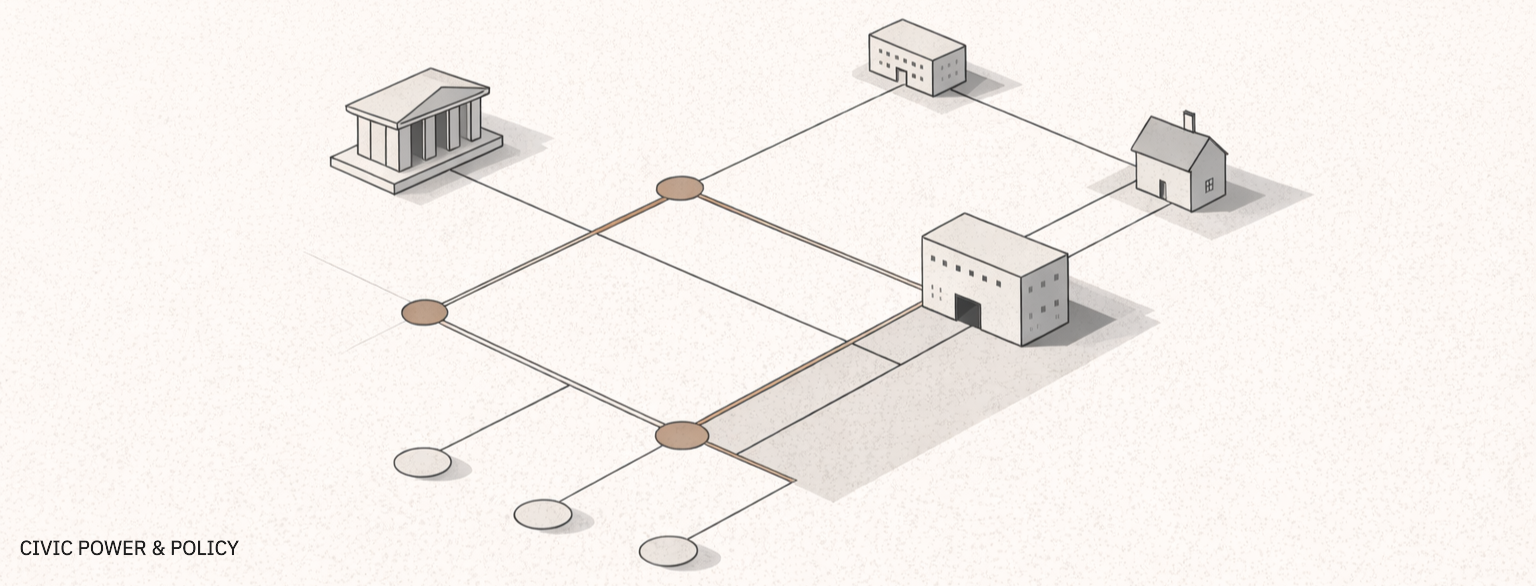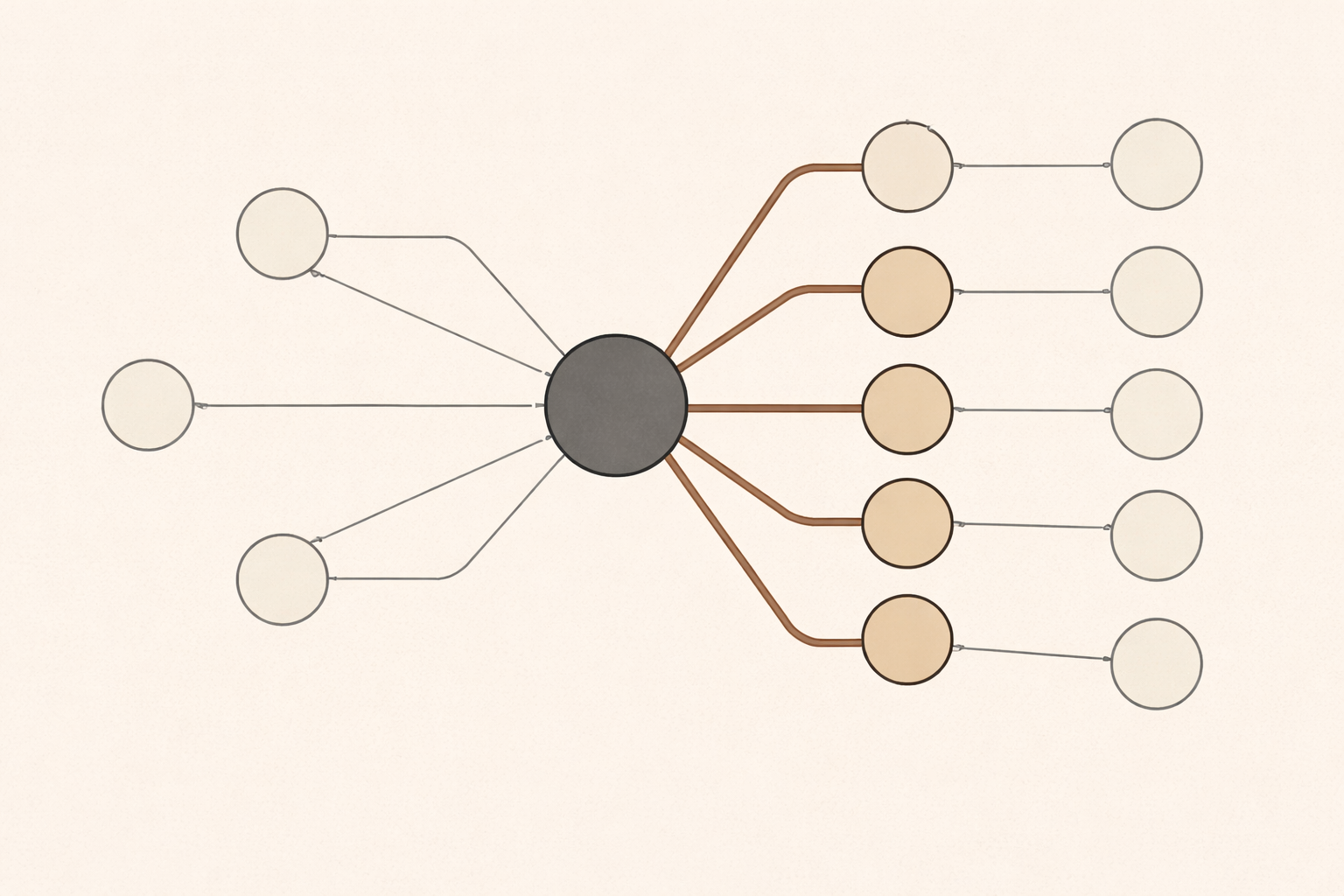
Concentrated fatherhood incentives do not emerge from personality defects or moral collapse. They emerge from systems that quietly reward repetition, tolerate imbalance, and fail to enforce shared responsibility. When the same outcomes appear across neighborhoods, decades, and income brackets, the explanation is not individual preference. It is structural design.
Public debate often treats concentrated fatherhood as a character issue. That framing feels satisfying because it assigns blame quickly. However, it collapses under inspection. Repeated patterns signal incentive alignment, not coincidence. Systems produce behavior long before narratives catch up.
How Concentrated Fatherhood Incentives Are Created
Every system teaches people what is rewarded, what is tolerated, and what is ignored. Family formation follows the same logic. When enforcement is inconsistent, expectations are asymmetrical, and consequences are unevenly applied, participation concentrates naturally.
In many environments, fatherhood responsibility is weakly enforced while access remains unrestricted. Economic participation is optional. Legal accountability is delayed or uneven. Social correction is loud but structurally hollow. Under those conditions, concentration becomes rational behavior.
This is not chaos. It is pattern formation.
Why Blame Fails Where Structure Explains
Blame assumes agency without examining architecture. It asks individuals to override incentives through willpower alone. That expectation fails reliably because systems do not respond to scolding. They respond to constraint.
When one participant can repeatedly disengage without material consequence, while others absorb the cost emotionally, financially, and socially, the system has made a choice. It has selected concentration over distribution. Responsibility follows the path of least resistance.
Assigning moral judgment to that outcome obscures the actual failure. It treats a system output as a personal defect and prevents serious reform.
Concentrated Fatherhood Incentives and Policy Design
Policy shapes participation. Enforcement shapes behavior. Cultural narratives merely explain outcomes after they harden. When family policy lacks teeth, incentives drift toward concentration.
Research from the Urban Institute consistently shows that family stability tracks with economic security, enforcement consistency, and institutional support. These are system levers. They are not personality traits.
Where child support enforcement is predictable, employment pathways are accessible, and expectations are symmetrical, participation distributes. Where those elements weaken, concentration follows. This pattern repeats regardless of rhetoric.
What Real Accountability Requires
Accountability requires architecture. It requires rules that hold under boredom, not speeches that collapse under scrutiny. It requires systems that assume human behavior will follow incentives rather than ideals.
If concentrated fatherhood is to change, enforcement must precede education. Structure must precede storytelling. Systems must make participation easier than avoidance.
Without those changes, moral language functions as camouflage. It allows institutions to avoid redesign while communities absorb the cost.
Structure Changes Outcomes. Blame Freezes Them.
Outcomes stabilize when incentives align. They deteriorate when responsibility is optional. Concentrated fatherhood incentives persist because systems permit them to persist.
Serious reform starts by telling the truth about design. Anything else is performance.
Further Groundwork