
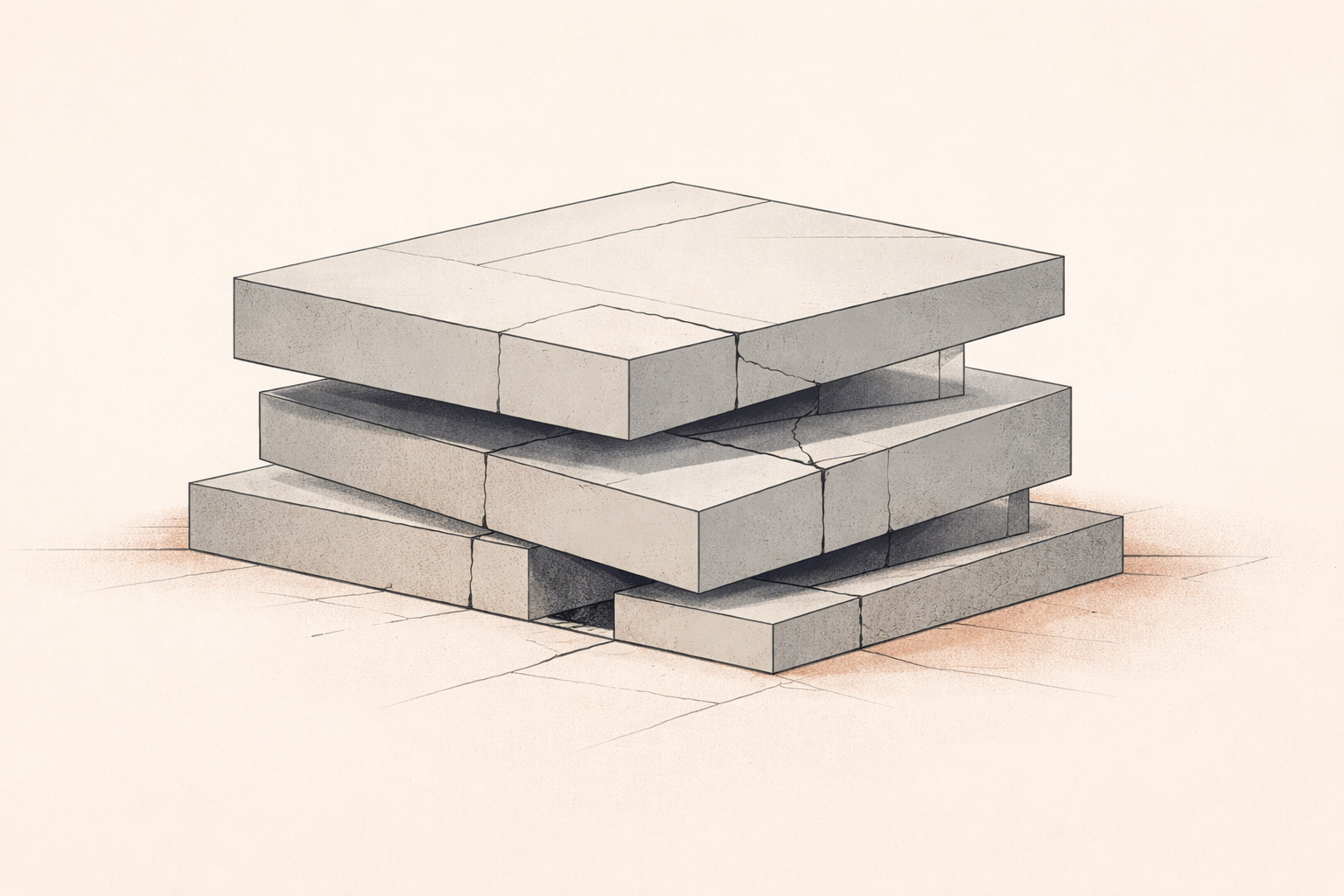
There is a moment when life still looks intact, but something feels off. The schedule holds. The work continues. People smile. And yet the ground does not feel steady. Often, that feeling begins with skipping life phases.
This reflection names the phases plainly. Learning is the season of building judgment, skill, and restraint. Earning is the season of turning that skill into stable output and margin. Returning is the season of giving strength back to people and systems so your life does not only take from what formed you.
Mantra: Build better. Every day.
Skipping life phases starts as a quiet decision
Learning feels slow, so people rush it. Earning feels urgent, so people perform it. Returning feels far away, so people delay it. At first, the costs stay hidden.
When people rush learning, confidence tries to cover what practice never installed. They move quickly. They speak with certainty. Then complexity arrives and the gaps show themselves. Confusion follows. Mistakes repeat. Stress grows heavier than the work.
When people perform earning, they chase appearance instead of building margin. They live on thin edges. They rely on timing, on favors, on good weeks. Over time, the nervous system learns to stay on alert because there is no cushion to rest on.
When people delay returning, something else happens. Isolation grows. Knowledge stays locked inside one life. The environment that supported them receives nothing back. Eventually, relationships feel strained, not because anyone is evil, but because continuity was never protected.
What breaks first is trust
Most people expect money or relationships to break first. Often, trust breaks first. Trust in self. Trust in others. Trust in process. Then people search for reassurance. They reach for noise. They overexplain. They keep moving because stillness feels unsafe.
Pressure does not create failure. Pressure reveals what could not hold. Under load, shortcuts show up. Deferred learning becomes visible. Unbuilt margin disappears.
If you want a neutral definition of sequence as a concept, see Britannica’s definition of sequence.
Restoration does not announce itself
Repair begins in a quieter way than most people expect. People return to learning where they rushed. They rebuild earning where they depended. They reinvest where they extracted. Nothing dramatic happens at first. That is often how you know the repair is real.
Over time, stability returns. Decisions calm down. Relationships feel less brittle. Life becomes less loud. Progress slows down, and then it lasts.
When the order holds, life holds.
Further Groundwork
If this reflection resonates, explore more long-form orientation in the Journal archive.
