
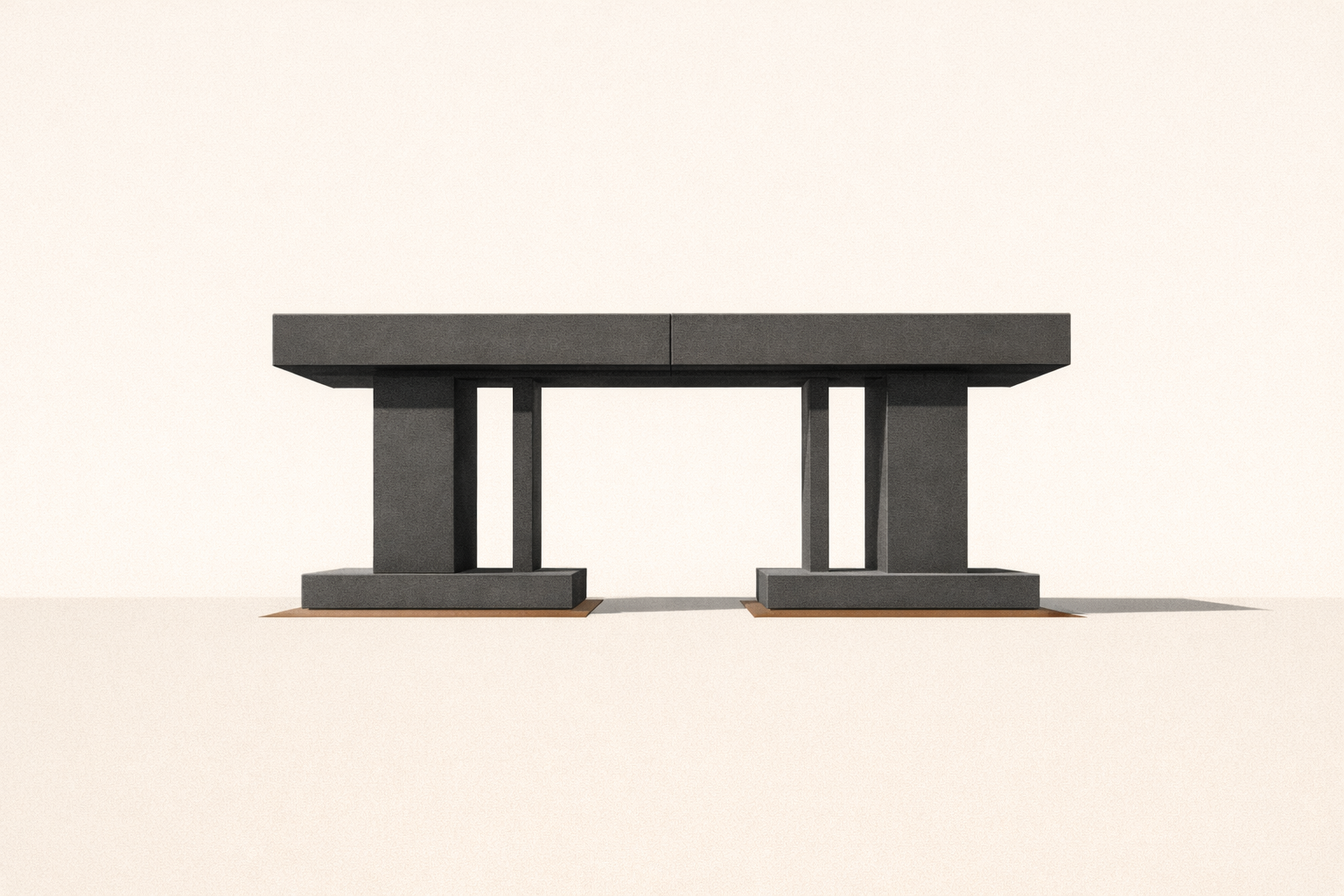
Stillness is not the absence of action. It is the discipline of timing.
Stillness is not passivity. It is control exercised without noise, pressure, or performance.
Too often, motion is mistaken for effectiveness. People rush to respond, speak, explain, and act because silence feels like risk. However, urgency is rarely proof of strength. In many cases, it is unmanaged pressure wearing the costume of leadership.
Stillness interrupts that cycle. Instead of reacting, it creates space. Instead of performing, it observes. As a result, decisions improve because they are no longer driven by emotion, fear, or the loudest voice in the room.
Why stillness is not passivity but control
Passivity avoids responsibility. Stillness accepts it fully.
That difference matters. Passivity lets circumstances decide. Stillness holds position until the right action becomes clear. Therefore, stillness is not a retreat from responsibility. It is a disciplined way of carrying it.
More importantly, stillness does not drift. It holds structure. It remains anchored while pressure builds. Because of that, action becomes deliberate instead of reactive.
When stillness governs behavior, control stays internal. When passivity takes over, control shifts outward to whoever applies the most pressure.
Stillness is not passivity in disciplined leadership
Consider a negotiation room.
The least disciplined person often speaks first. They fill silence. They reveal position. They trade leverage for comfort.
By contrast, the most disciplined person waits. They observe tone, timing, and intent. They let others expose their priorities. Then they respond once, clearly and with direction.
This is not hesitation. It is control.
Consequently, stillness unsettles reactive systems. It refuses to mirror chaos. It refuses to perform reassurance. That refusal communicates authority without escalation.
Stillness versus withdrawal under pressure
Withdrawal avoids engagement. Stillness prepares for it.
Although both can appear similar on the surface, the internal posture is different. Withdrawal disconnects. Stillness sharpens awareness.
As attention expands, timing improves. As timing improves, outcomes stabilize. Therefore, stillness compounds authority while withdrawal erodes it.
The discipline that makes stillness possible
Stillness is not an emotional state. It is a trained behavior.
Discipline builds the structure that stillness depends on. Clear standards reduce hesitation. Boundaries prevent overreaction. Consistency removes panic from decision-making.
Without that structure, stillness collapses into indecision. With it, stillness becomes command.
How to practice stillness without becoming passive
Start by naming the pressure before responding to it.
Ask what the moment is actually demanding. Is it asking for action, or is it asking for attention? Is the response urgent, or does it only feel urgent because someone else is uncomfortable?
Next, slow the first reaction. A pause does not weaken the answer. In fact, it often improves it. The goal is not to disappear from the moment. The goal is to enter it with more command.
Finally, move when the movement has purpose. Speak when the words carry weight. Act when the action serves the standard.
The principle beneath the posture
Stillness is not absence. It is presence held steady under pressure.
In practice, this means choosing when to move instead of being forced to move. It means letting clarity arrive before committing energy. It also means understanding that not every moment requires participation.
Most environments reward noise. However, results reward precision.
Stillness is not passivity. It is authority choosing its moment.
→ Presence Is the First Language of Power
→ Discipline Before Dollars
→ Structure Builds Freedom
