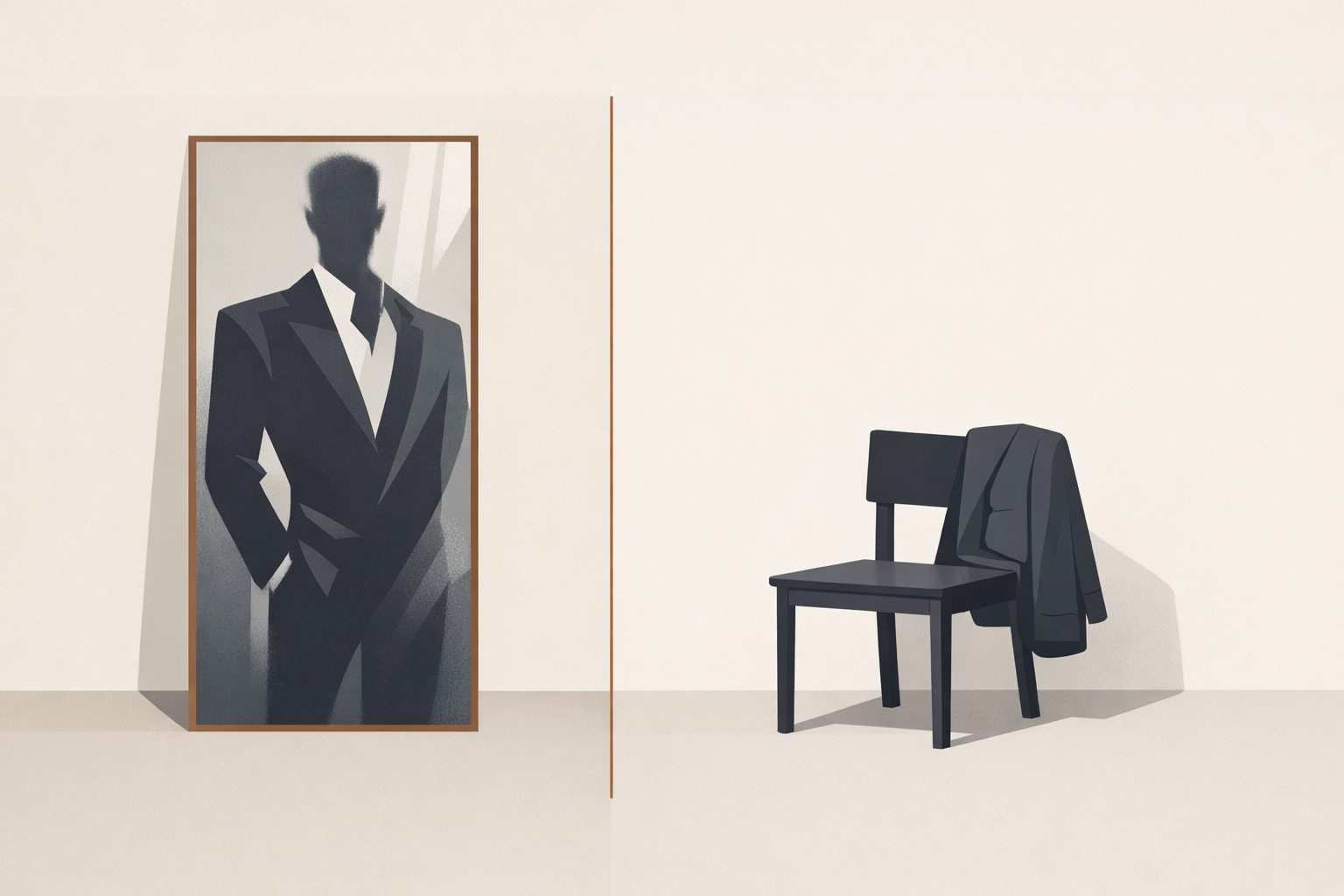
To prepare for a date properly, focus on structure before appearance. Preparation is not cosmetic. It is structural.
Many people prepare for a date by rehearsing charm, crafting lines, or engineering an image. However, that is not readiness. That is performance. And performance collapses under pressure.
A date is not a stage. Instead, it is a compatibility audit.
How to Prepare for a Date by Stabilizing the Body First
First, regulate the physical foundation. Eat real food. Hydrate. Move. Groom intentionally. Wear clothing that aligns with how you actually live, not who you are pretending to be.
If you feel like you are in costume, it will translate. In contrast, physical order lowers cognitive noise. A regulated body produces a regulated presence.
Define Intent Before You Prepare for a Date
Next, clarify the objective. Are you exploring long-term compatibility? Casual chemistry? Social expansion?
When intent is undefined, people unconsciously mirror the other person’s expectations. As a result, confusion forms later and gets labeled as miscommunication.
Clarity prevents emotional overdraft.
Upgrade Curiosity Instead of Performance
Conversation is neither an interview nor a monologue. It is calibrated exchange.
Ask clean questions. Listen fully. Follow threads. Avoid selling yourself. Avoid shrinking yourself. Above all, remain present.
Presence beats cleverness.
Do Not Outsource Stability
Preparing for a date becomes complicated when life outside the date lacks structure. If finances are chaotic, health is neglected, or purpose is undefined, dating becomes compensation rather than exploration.
Romantic energy layered on instability creates volatility. By contrast, romantic energy layered on structure creates expansion.
If structure feels unfamiliar, begin with Discipline Before Dollars, which outlines foundational order before pursuit.
Exit With Discipline
Finally, do not extend the night to force chemistry. Leave oxygen in the room. Strong endings preserve intrigue, whereas overextension erodes it.
You are not there to win. You are not there to be validated. You are there to evaluate fit.
Clean body. Clear intent. Regulated presence.
Show up steady.
For additional research on how first impressions form neurologically, review this overview from Psychology Today.