Walk through almost any neighborhood long enough and you will notice something.
People organize faster around familiarity than around ideals.
Shared language.
Shared history.
Shared routines.
Shared food, churches, schools, barbershops, storefronts, surnames, migration stories, neighborhood memory, and family networks.
None of that is accidental.
Familiarity lowers friction.
People trust faster when they recognize something about each other.
That trust can become powerful.
It can help communities organize mutual aid, defend local businesses, protect cultural institutions, build voting blocs, support schools, and respond quickly when pressure arrives.
But every identity creates a boundary.
That boundary can become a bridge.
It can also become a wall.
This is where community coalition building gets difficult.
Identity can strengthen coordination inside a group. It can also limit coordination outside the group if the boundary becomes more important than the outcome.
The question is not whether ethnic identity matters.
Of course it matters.
The better question is whether identity is helping people build power or only helping people name difference.
Identity Builds Trust Faster Than Abstract Unity
People often pretend communities should organize around universal language first.
That sounds clean.
It is not usually how people behave.
People move toward what feels familiar. They trust what they can read. They listen faster when someone understands the history, humor, pressure, and coded expectations inside the room.
That is why ethnic identity can become a powerful organizing base.
It gives people a shared reference point. It creates shorthand. It helps people identify who has experienced the same pressure, who remembers the same history, and who understands why certain outcomes matter.
In a neighborhood association, that can help residents move quickly. In an immigrant business corridor, it can help owners protect each other from displacement. In a church network, it can help families mobilize resources before outside institutions arrive. In a local political fight, it can help voters understand what is at stake without needing every detail explained from scratch.
That kind of trust is real.
It should not be dismissed.
But it should not be confused with coalition capacity.
Coalition Capacity Begins Where Familiarity Ends
A group can be internally coherent and still politically weak.
That happens when the group becomes skilled at naming itself but weak at coordinating with others.
Coalition capacity is the ability to move across difference without losing purpose.
It requires more than shared identity. It requires shared incentives, clear rules, practical goals, and enough trust to negotiate without collapsing.
This is where many communities struggle.
They can gather around history.
They can gather around grievance.
They can gather around recognition.
But when the work moves from naming the problem to building the solution, the coalition gets tested.
Who gets represented?
Who makes decisions?
Who speaks for the group?
Who receives resources?
Who compromises?
Who defines the win?
Those questions expose whether a coalition is real or only emotionally aligned.
Shared Identity Does Not Remove Incentives
One of the weakest assumptions in community politics is that shared identity automatically creates shared interests.
It does not.
People can share ancestry and disagree on housing policy.
They can share language and compete for business access.
They can share culture and split over school decisions.
They can share history and disagree over strategy.
They can share public identity and still protect different private incentives.
That does not make the identity false.
It makes the coalition work more serious.
Block Logic starts with behavior, not slogans. Under pressure, people reveal what they are trying to protect.
Some protect cultural continuity.
Some protect political leverage.
Some protect funding access.
Some protect local control.
Some protect reputation.
Some protect personal influence.
If those incentives are not named, the coalition will pretend to be unified until a real decision arrives.
Then the fracture appears.
When Identity Becomes a Bridge
Identity becomes a bridge when it helps people coordinate without trapping them inside the boundary.
You can see this in local campaigns where one community brings trusted networks, another brings institutional access, another brings policy knowledge, and another brings organizing capacity.
Each group carries its own history.
Each group protects its own interests.
But the coalition holds because the outcome is clear and the rules are understood.
That is not sentimental unity.
That is structure.
A bridge identity says:
We know who we are, and we know what we are building with others.
That posture gives identity practical power. It turns cultural memory into civic coordination.
It also reduces insecurity because the group is not being asked to disappear inside the coalition.
It is being asked to contribute with clarity.
When Identity Becomes a Wall
Identity becomes a wall when the boundary becomes more important than the outcome.
That does not always look hostile.
Sometimes it looks like endless definition work. Endless purity tests. Endless disputes over who belongs, who speaks, who counts, who is authentic, and who is not allowed to represent the group.
Some boundary work is necessary.
Every community needs standards.
But when boundary maintenance consumes all organizing energy, coalition capacity shrinks.
The group becomes better at exclusion than coordination.
That is a strategic problem.
Power requires more than self-definition. It requires movement, negotiation, timing, numbers, resources, and execution.
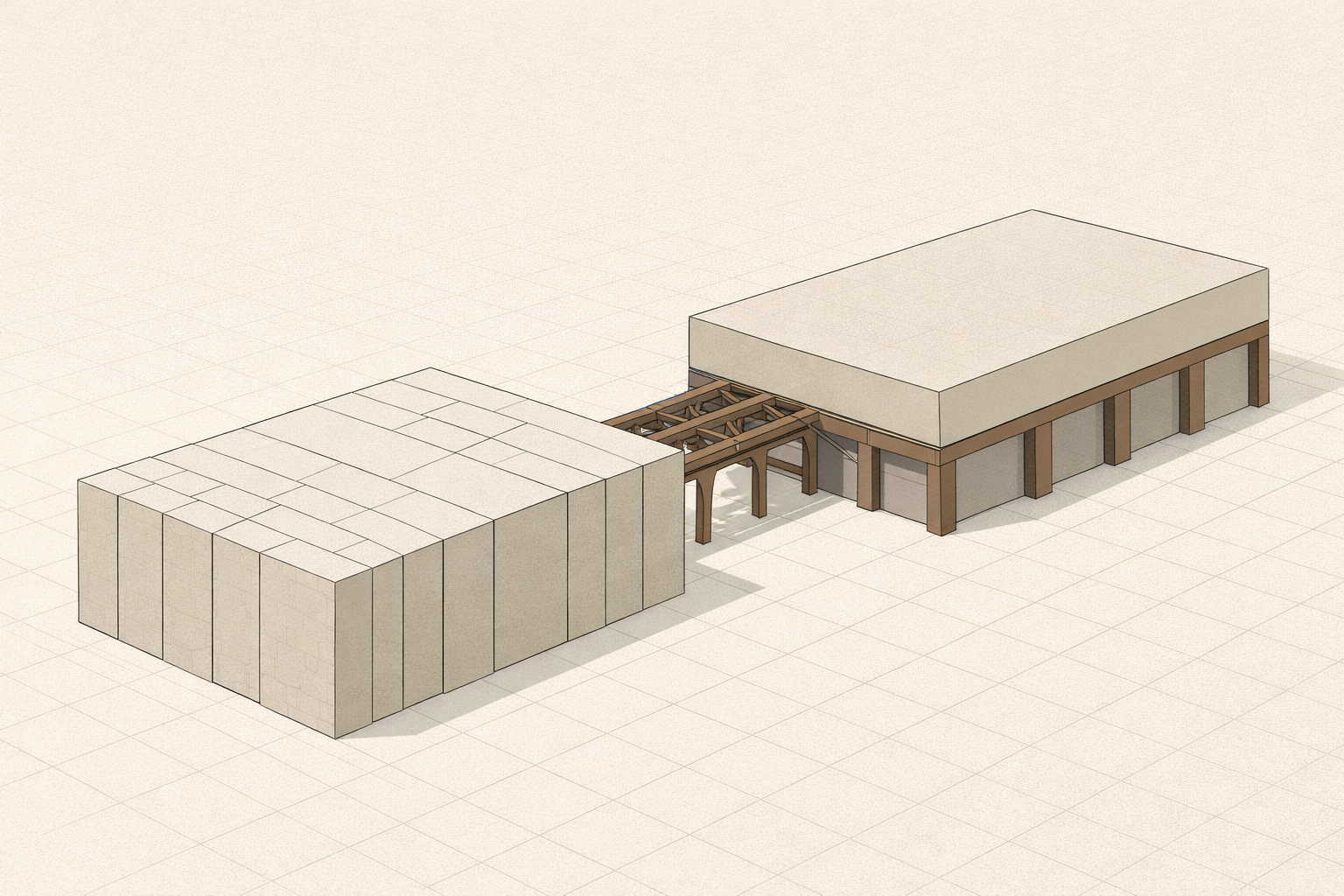
If a community spends all its energy guarding the door, it may never build the house.
Online Debate Weakens Coalition Discipline
The online version of this conversation usually makes the problem worse.
Digital platforms reward the most combustible framing.
Who belongs?
Who stole?
Who owes?
Who is authentic?
Who is an outsider?
Who gets corrected publicly?
That kind of conflict travels quickly because it is easy to clip, quote, and escalate.
Coalition work does not travel as well.
Meetings are boring.
Bylaws are boring.
Budget priorities are boring.
Policy drafts are boring.
Voter files, attendance sheets, committee structures, partnership agreements, and dispute rules are boring.
But boring work is usually where power gets built.
The public argument should not be confused with institutional readiness.
A community can win the online argument and still have no structure capable of moving resources, changing policy, or sustaining pressure.
Coalitions Need Rules Before They Need Speeches
A coalition is not a mood.
It is an operating arrangement.
If groups are going to work together, they need rules.
Not because rules remove disagreement.
Because rules prevent disagreement from becoming collapse.
Strong coalitions define:
- what outcome the coalition is trying to produce
- who has decision rights
- how disputes are handled
- what each group is expected to contribute
- how public messaging is approved
- how resources are allocated
- when the coalition ends or changes form
Without that structure, coalition becomes performance.
With that structure, coalition becomes capacity.
This is where ethnic identity and community power can coexist. Identity gives the group memory and trust. Coalition rules give the work durability.
The Real Test Is Pressure
Coalitions look strongest before pressure arrives.
Everyone can agree in principle.
The test comes when there are limited resources, competing priorities, public criticism, leadership contests, or policy tradeoffs.
That is when people reveal whether they are committed to the shared outcome or only committed to their preferred position.
Pressure exposes weak coordination.
It also reveals strong design.
A coalition with clear rules can survive disagreement. A coalition built only on sentiment usually cannot.
That is why community coalition building must be judged by behavior, not language.
Who keeps showing up?
Who shares information?
Who honors the process?
Who contributes resources?
Who adjusts when the facts change?
Who protects the coalition when attention fades?
Those are the real signals.
The Groundwork
Look at any group trying to build community power.
Do not start with the slogan.
Start with the operating system.
Ask:
- What brings people together?
- What boundary defines the group?
- What outcome requires cooperation beyond that boundary?
- What incentives are actually aligned?
- What rules govern disagreement?
- What work continues when public attention fades?
Those questions reveal whether identity is functioning as a bridge or a wall.
If identity builds trust and trust builds coordination, the community gains capacity.
If identity builds boundary and boundary replaces coordination, the community loses leverage.
The Structural Takeaway
Community coalition building depends on more than shared identity.
Shared identity can create trust.
Trust can create speed.
Speed can create early coordination.
But durable power requires more.
It requires rules, incentives, contribution, accountability, and the discipline to work across difference without dissolving into confusion.
Identity is not the enemy of coalition.
But identity is not a substitute for coalition either.
The question is not whether communities should know who they are.
They should.
The question is whether knowing who they are helps them build with others.
That is where community power begins.
Continue Building
This Block Logic article examines how groups behave when identity, incentives, and coordination collide under pressure.
→ Framework: Block Logic
→ Related: Community Systems Fail When Contribution Stops
→ Related: Community Groundwork
Receipts
→ Stanford Encyclopedia of Philosophy — Identity Politics
→ Nobel Prize — Elinor Ostrom and Governing Shared Resources