
Simp vs good man is one of the most misunderstood debates in modern relationship culture. Social media reduces the conversation to insults. Real life requires structure.
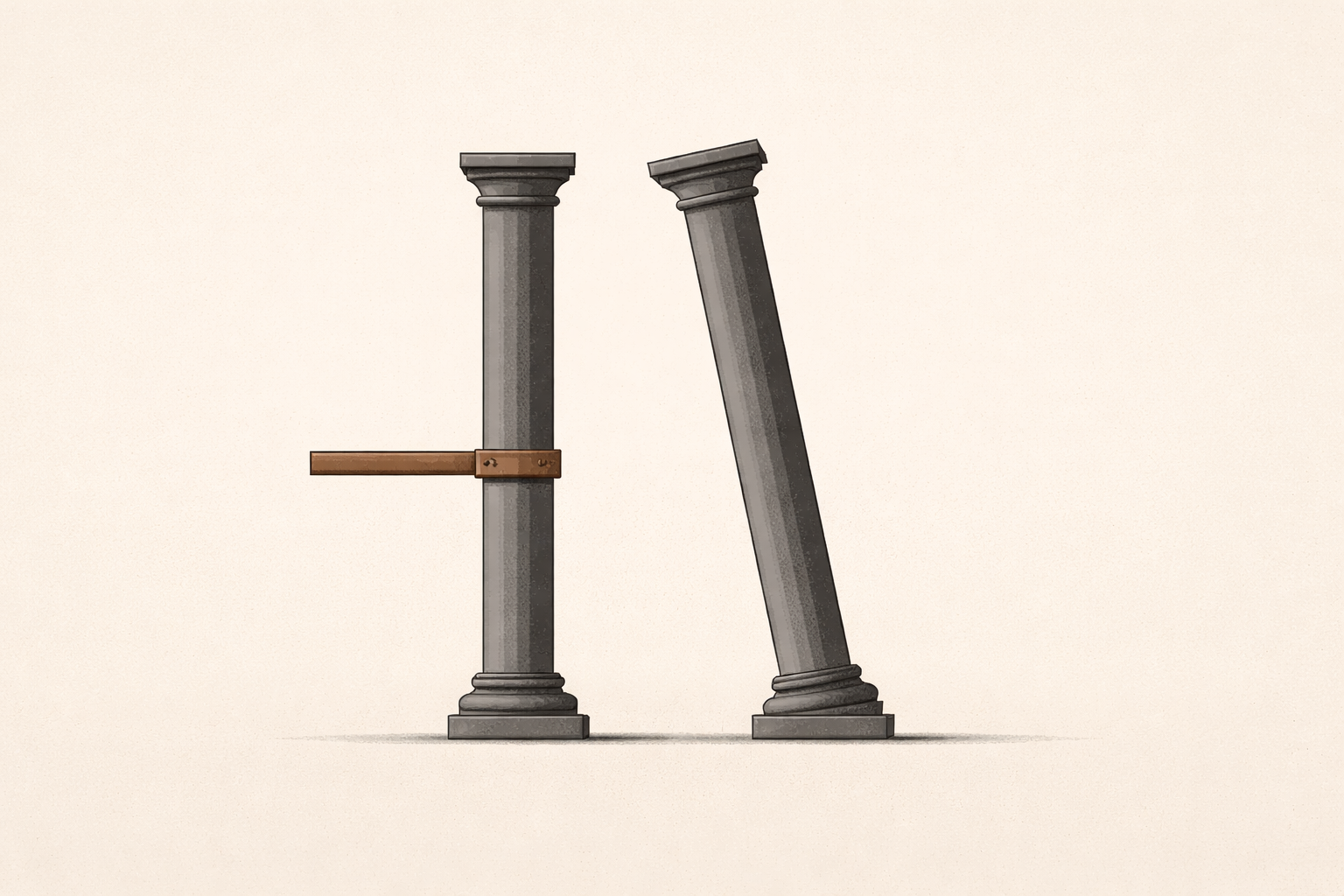
A simp is not simply a kind man. Rather than acting from principle, he abandons standards in exchange for validation. By contrast, a good man maintains standards even when validation disappears.
Simp vs Good Man: The Structural Difference
The simp operates from approval. His generosity depends on reaction. Consequently, his boundaries shift depending on who he wants to impress. He negotiates against himself before anyone else has to.
The good man operates from principle. Generosity aligns with his values. Respect shapes how he listens. Stewardship informs how he provides. However, he does not perform for acceptance.
When attention fades, the simp panics. In contrast, the good man evaluates alignment.

The Psychology Behind Simping
Most men do not wake up intending to abandon their standards. Instead, simping often grows from scarcity mindset and low internal validation. If attention feels rare, a man overpays for it. If he fears abandonment, he suppresses disagreement.
Digital culture amplifies comparison. Algorithms reward visible affection, public approval, and dramatic gestures. As a result, some men confuse performance with strength.
Research from the Pew Research Center often examines how relationship expectations, family structure, and social norms shape modern partnership. Therefore, healthy relationships still rely on reciprocity rather than desperation.
How to Know If You’re Acting Like a Simp
If the distinction still feels abstract, consider these diagnostics:
- Do you say yes when you internally mean no?
- Do you over-invest emotionally or financially before commitment is mutual?
- Do you tolerate subtle disrespect to avoid conflict?
- Do you feel anxious when attention is withdrawn?
If several answers are yes, the problem is not kindness. The problem is dependence on approval.
Over-investment rarely begins as manipulation. Instead, it often begins as insecurity. The behavior often starts with unresolved validation-seeking patterns. When approval becomes the reward, effort escalates beyond balance.
The Problem With Overusing the Word “Simp”
Cultural overcorrection creates its own distortion. Not every generous man is a simp. Not every affectionate man lacks strength. Emotional availability does not weaken discipline. Strength does not require indifference.
Many online voices equate detachment with masculinity. That posture performs well in comment sections. It fails in long-term relationships.
A good man can pay for dinner without resentment. He can express affection without surrendering authority. He can disagree without escalating. Moreover, he can walk away without theatrics.
Why the Distinction Matters
Men who confuse goodness with compliance eventually grow resentful. Overextension without boundaries creates internal pressure. Over time, that pressure becomes bitterness. Bitterness erodes leadership.
By contrast, a good man anchors himself internally. His self-respect does not depend on reaction.
This mirrors the principle outlined in Discipline Before Dollars: structure precedes success. The same rule governs finances, relationships, and identity.
Simping is submission without standards.
Goodness is strength under control.
FAQ: Simp vs Good Man
Is being nice simping?
No. Being nice is not simping. However, kindness becomes simping when it serves as a strategy to secure attention or avoid rejection rather than express character.
What makes a man a simp?
A man becomes a simp when he repeatedly trades standards for validation. For example, he tolerates disrespect, suppresses honesty, or over-invests without reciprocity.
Can a good man be called a simp?
Yes. Culture often misuses the term to shame respectful men. Still, labels do not redefine character. A good man anchors himself in values, not reaction.
