
The discipline of leaving things better begins inside the home. The ecology of discipline shows how the small improvements you make each day create a pattern that shapes the world your family inherits. Better is not a grand gesture. Better is the quiet work of noticing what needs care and giving it attention.
Most people focus on what is broken. Fewer focus on what can be strengthened. The ecology of discipline encourages you to repair what you touch, improve what you handle, and restore what you use. This creates a cycle of responsibility that extends beyond your walls.
Leaving things better is not about perfection. It is about consistency. It is the habit of returning items to their place, cleaning what you use, and tending to the spaces that hold your daily life.
The Ecology of Discipline in Everyday Care
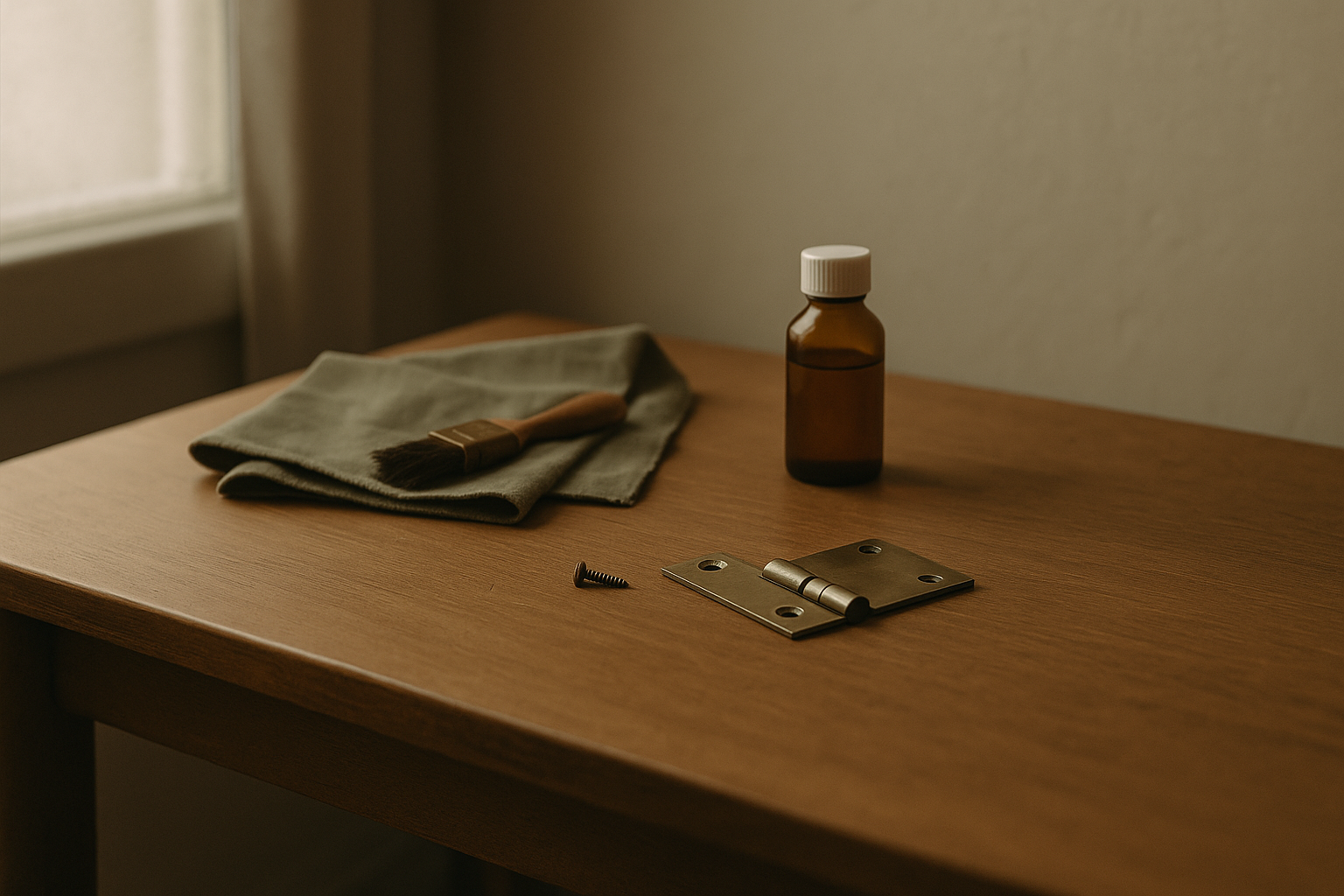
The ecology of discipline appears in the routines that strengthen your home. A wiped counter. A repaired hinge. A cleared drawer. A small space returned to order. These actions build resilience because they prevent problems before they grow. Care is preventive. Care is structural.
According to the EPA, the majority of household waste and material breakdown comes from neglect and deferred maintenance. EPA Waste Patterns
When you leave something better than you found it, you create a positive chain reaction. Order supports function. Function supports stability. Stability supports inheritance.
The Discipline You Practice Becomes the Legacy You Leave
Your children learn the difference between neglect and care from watching you. If they see things left undone, that becomes normal. If they see things restored, sorted, cleaned, or maintained, that becomes their foundation. The ecology of discipline teaches that improvement is not a performance. It is a routine.
The discipline of leaving things better strengthens every part of your life. It builds a home that functions, a family that learns responsibility, and an environment shaped by intention rather than neglect.
Further Groundwork:
→ Urban Logic
→ The Daily Build
→ House Rhythm
Receipts:
→ EPA Household Waste Patterns
→ USDA Food Loss and Waste Data
→ NOAA Climate Education