
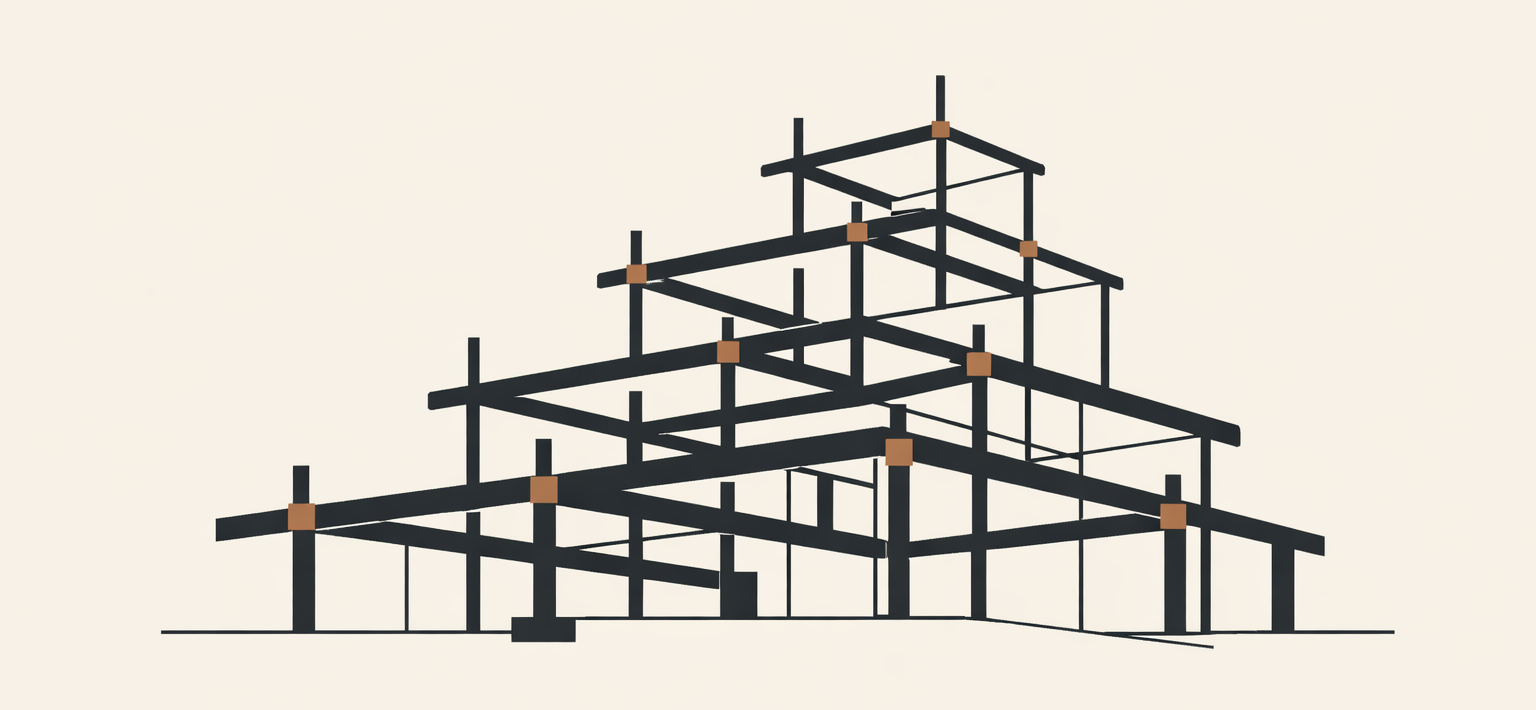
A wealth structure strategy determines whether income becomes temporary comfort or lasting financial infrastructure.
Many people assume wealth begins and ends with earnings. Earn more. Save more. Invest more. Those habits matter. However, income alone rarely becomes legacy.
Durability comes from structure. Ownership systems, asset protection, legal governance, clear transfer plans, and financial literacy all matter. Without those foundations, even strong earnings can dissolve within a generation.
That is the hard truth. Money without structure is exposed. It may look strong on paper, but it has no durable container. A serious wealth structure strategy gives income somewhere to go, assets something to stand inside, and future generations a system they can understand before pressure arrives.
Wealth is not only what a household earns. Wealth is what a household protects, governs, transfers, and teaches.
Why a Wealth Structure Strategy Matters
A household can earn well and still fail to build durable wealth when assets remain unstructured. Cash enters. Bills leave. Investments grow. Property appreciates. Retirement accounts accumulate. Yet without coordinated governance, the system holding those assets remains fragile.
A disciplined wealth structure strategy turns scattered assets into organized financial infrastructure. As a result, wealth has a better chance of surviving market cycles, family transitions, legal exposure, tax events, and time.
That is the difference between having money and having architecture.
Money is a resource. Architecture is a system. Money can be spent, divided, taxed, neglected, mismanaged, or fought over. Architecture creates rules. It clarifies ownership. It assigns control. Most importantly, it defines succession before succession becomes a crisis.
For Groundwork Daily, this belongs inside the larger Money Monday financial structure systems hub because the lesson is bigger than personal finance. This is about turning financial behavior into repeatable infrastructure.
The Income Trap: Earning Is Not the Same as Owning
The income trap is simple. A person earns more and assumes they are becoming wealthy. Sometimes that is true. Often, it is not.
Income creates access. However, it does not automatically create durability. High income can produce a larger lifestyle, larger obligations, larger tax exposure, and larger mistakes. If the money has no system, the household becomes a pass-through account with nicer furniture.
A sharper framework separates four stages of financial power.
Produces income through labor, skill, business, or professional value.
Converts income into assets that can grow beyond direct labor.
Controls assets, equity, property, intellectual property, or operating interests.
Builds rules, documents, and systems that preserve wealth across time.
Most financial advice stops at earning and investing. That is not enough. The real leverage begins when ownership is governed.
A household that earns well but governs poorly remains vulnerable. By contrast, a household that earns modestly but builds structure can still create durable footing. The point is not glamour. The point is control.
Why Wealth Collapses Across Generations
Wealth rarely disappears because of one dramatic decision. Instead, it usually erodes through weak structure.
Families lose wealth when ownership is unclear, documents are missing, heirs are unprepared, assets must be liquidated under pressure, taxes are misunderstood, or family disputes turn private confusion into public cost.
The failure pattern is predictable.
- Assets are titled inconsistently.
- Beneficiaries are outdated or missing.
- Real estate passes without a clear transfer plan.
- Business interests depend on one person’s knowledge.
- Heirs inherit assets without financial education.
- Family members confuse access with stewardship.
- Legal documents exist, but nobody knows where they are.
- Probate delays force liquidity decisions at the wrong time.
Therefore, a wealth structure strategy is not only a financial tool. It is a continuity tool.
The question is not only, “How much did the family build?”
The sharper question is, “Can the structure survive the builder?”
Wealth becomes durable when ownership follows systems instead of emotions.
Trusts and Asset Governance
A trust does not create wealth. It organizes wealth.
A trust is a legal arrangement that can hold and govern assets for beneficiaries. These assets may include real estate, business ownership, investment portfolios, cash, intellectual property, or other interests.
Trusts matter because they can clarify who controls assets, who benefits from them, when distributions occur, and what rules guide the transfer of value.
That does not mean every household needs the same structure. A revocable living trust, irrevocable trust, special needs trust, charitable trust, or dynasty-oriented structure may serve different purposes. The correct tool depends on the assets, family structure, tax exposure, state law, and long-term intent.
The lazy version of financial content says, “Get a trust.”
The stronger version asks better questions:
- What assets need governance?
- Who should control them if the original owner cannot?
- Who benefits now?
- Who benefits later?
- What behavior should the structure encourage?
- What risks should the structure prevent?
- How will the next generation learn to steward what they receive?
Within a thoughtful wealth structure strategy, trusts create clarity about ownership, control, and distribution across generations. They are not magic. They are administrative discipline made legal.
Borrowing Against Assets: Leverage With Discipline
One concept often discussed in advanced wealth planning is summarized as “buy, borrow, die.” The phrase is catchy. That is also why it needs discipline.
The basic idea is this:
- Acquire appreciating assets.
- Allow those assets to grow.
- Borrow against them instead of selling them.
- Use estate rules and basis treatment as part of long-term planning.
When an appreciated asset is sold, taxes may be triggered. Borrowing against an asset may create liquidity without liquidating the underlying investment. That can allow the asset to remain in place and continue compounding.
However, this is not free money. It is leverage. Leverage creates risk.
Interest rates matter. Collateral values matter. Loan terms matter. Liquidity matters. In addition, a falling market can weaken the strategy quickly. A borrower who does not understand pledged assets, margin rules, or collateral calls can turn a wealth tool into a wealth trap.
Used responsibly, borrowing against assets can support liquidity, investment flexibility, and long-term compounding. Used casually, it can expose the entire structure.
Leverage is not sophistication by itself. Leverage is pressure. It only works when the structure can carry the weight.
Financial Governance Systems
Durable wealth is administrative before it is aspirational.
Most people focus on assets. Serious builders focus on governance. That means the paperwork, authority, decision rights, and procedures that keep assets from drifting into confusion.
A strong wealth structure strategy usually requires coordination across several roles and documents.
- Will: Directs how certain assets should pass after death.
- Trust: Governs assets according to defined rules and beneficiaries.
- Trustee: Manages trust assets according to the trust document.
- Executor: Handles estate administration after death.
- Power of attorney: Allows a trusted person to act financially if needed.
- Healthcare directive: Clarifies medical decision authority.
- Beneficiary designations: Direct transfer for retirement plans, insurance, and similar accounts.
- Operating agreements: Define business ownership, transfers, and decision rules.
- Family records system: Keeps documents, account details, insurance policies, deeds, and instructions accessible.
None of this sounds exciting. That is the point.
Durable wealth usually depends on boring systems that work under stress. When death, illness, divorce, lawsuits, business disputes, or market shocks arrive, emotion rises. Structure must already be in place.
Elements of Durable Financial Architecture
Across households, businesses, and families that preserve wealth over time, durable systems tend to share common elements.
Assets are titled, organized, and documented in ways that reduce confusion and exposure.
Control does not depend on memory, personality, or last-minute decisions.
Borrowing is used with clear terms, liquidity awareness, and downside planning.
Investment, estate, business, and income decisions are reviewed together, not in isolation.
The next generation learns stewardship before receiving control.
Rules exist in writing and can be followed when pressure arrives.
The strongest systems do not depend on one brilliant person holding everything together. Instead, they create continuity that survives transition.
This is why family offices, holding companies, LLC structures, trusts, estate plans, and governance documents matter. The tools vary. The principle does not.
Wealth becomes durable when control is designed.
The Family Stability Layer
Financial systems fail when relational systems collapse.
A family can have documents and still lose direction if trust breaks down. It can own assets and still destroy value through secrecy, entitlement, resentment, or confusion. Therefore, wealth planning must include communication, education, and expectations.
Every serious wealth structure strategy should answer family-level questions:
- Who understands the purpose of the assets?
- Who is being trained to manage responsibility?
- What values should the wealth reinforce?
- What behavior should not be subsidized?
- What happens if family members disagree?
- How are decisions reviewed?
Money without governance becomes conflict. Governance without communication becomes suspicion. Meanwhile, communication without structure becomes talk.
The goal is alignment.
→ Discipline Before Dollars
→ Structure Builds Freedom
→ Generational Wealth Architecture
→ Why Generational Financial Literacy Determines Whether Wealth Survives
→ Economic Infrastructure for Black Sovereignty
→ Money Monday: Financial Structure Systems
Foundational Wealth Structure Checklist
A serious wealth structure does not need to begin with complexity. It needs to begin with order.
Basic Layer
- Maintain an emergency reserve.
- Update beneficiary designations.
- Draft and store a will securely.
- Review life insurance against actual obligations.
- Document all debts.
- Create an account list and records file.
Intermediate Layer
- Consider a revocable trust where appropriate.
- Review property titling.
- Coordinate retirement, taxable, and insurance accounts.
- Review business ownership agreements.
- Align tax planning with investment and estate planning.
- Build a family records system.
Advanced Layer
- Review asset protection strategy with qualified counsel.
- Evaluate irrevocable trust options where appropriate.
- Document family governance rules.
- Prepare successor trustees and executors.
- Coordinate real estate, business, and investment assets under one plan.
- Build next-generation education into the structure.
This checklist is not legal, tax, or investment advice. It is a structural map. Actual implementation should be built with qualified legal, tax, insurance, and financial professionals.
The Bottom Line
A serious wealth structure strategy does not depend on luck or timing.
It depends on structure.
Trusts, asset governance, disciplined leverage, tax coordination, family education, and intergenerational planning transform income into infrastructure. That is the difference between temporary success and durable wealth.
The goal is not to look wealthy.
The goal is to build something that can stand when life applies pressure.
Income starts the work. Structure keeps it alive.
Receipts
→ IRS: Gifts and inheritances
→ IRS: Estates and trusts
→ IRS Publication 559: Survivors, Executors, and Administrators
→ SEC Investor Bulletin: Understanding Margin Accounts
→ Federal Reserve: Survey of Consumer Finances
FAQ
What is a wealth structure strategy?
A wealth structure strategy is a coordinated system for protecting, governing, transferring, and teaching financial assets across time.
Is a trust enough to build generational wealth?
No. A trust can organize wealth, but it does not create discipline, financial literacy, asset quality, or family governance by itself.
Why do high-income families still lose wealth?
High-income families often lose wealth because earnings are not converted into protected assets, documented governance, tax coordination, and intergenerational education.
What does borrowing against assets mean?
Borrowing against assets means using investments, securities, real estate, or other holdings as collateral for liquidity instead of selling the asset immediately.
Is borrowing against assets risky?
Yes. Borrowing creates leverage. Interest rates, collateral values, loan terms, and market declines can all increase risk.
What is the first step in building wealth structure?
The first step is organization. List assets, debts, accounts, beneficiaries, insurance, legal documents, and decision-makers before adding complex tools.
