
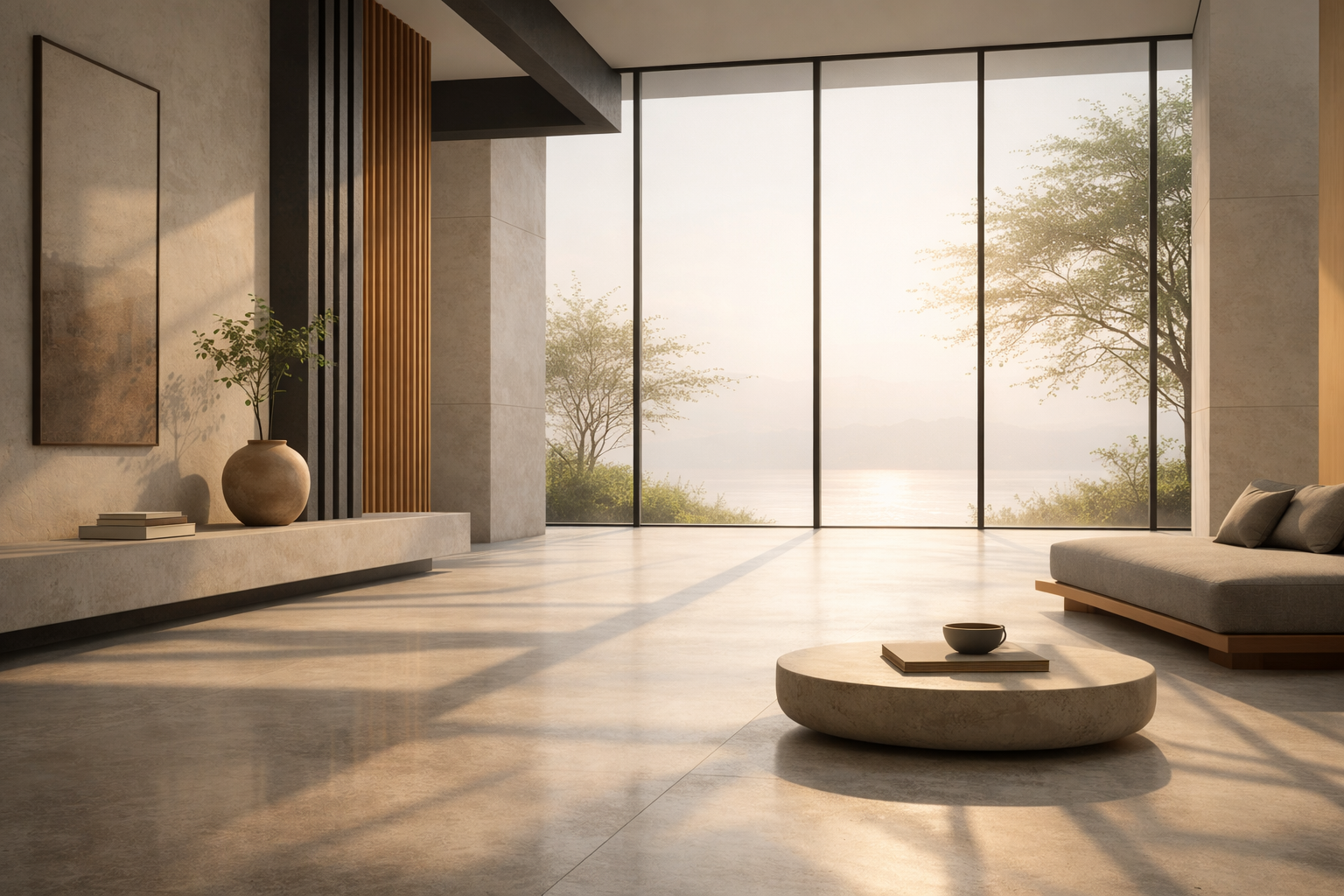
Quiet does not remove life. It gives life enough room to be understood.
The benefits of stillness rarely arrive with spectacle. Instead, they emerge quietly. Stillness creates the kind of inner space where clarity, emotional balance, and thoughtful judgment can begin to grow.
Many people assume progress always requires motion. Modern life reinforces that idea at every turn. Notifications demand attention. Schedules stay crowded. The pressure to remain active rarely slows.
However, constant activity often produces scattered thinking. Motion without reflection gradually weakens judgment. Stillness interrupts that cycle and helps the mind return to order.
“Silence is also speech.”
— African Proverb
That wisdom matters because stillness is not empty. It is active interior steadiness. When noise fades, the mind begins organizing what it already knows. Thoughts settle. Patterns appear. Priorities become easier to recognize.
The Benefits of Stillness for Clear Thinking
Stillness helps clear mental clutter.
In quieter conditions, the mind processes information with greater care. Reflection allows people to compare ideas, evaluate choices, and understand consequences more fully.
Instead of reacting quickly, a person begins thinking more structurally. That shift matters because good judgment usually requires proportion, not speed.
Clarity often appears after urgency loses its grip. For that reason, stillness supports stronger thinking in a way constant stimulation cannot.
Stillness Strengthens Emotional Balance
Stillness also supports emotional steadiness.
When people step back from constant stimulation, stress begins to loosen its hold. Attention becomes steadier. Emotions remain real, but they stop demanding immediate obedience.
This does not erase difficulty or uncertainty. Instead, it helps prevent emotional turbulence from taking control of judgment. As a result, a person can feel deeply without being ruled by every feeling that passes through.
That is one of the quieter gifts of stillness. It creates room between emotion and action.
Stillness Improves Decision Making
Better decisions rarely come from rushed thinking.
Stillness gives the mind time to weigh consequences, question assumptions, and consider longer-term outcomes. Leaders, builders, and thoughtful people throughout history have relied on reflection before making difficult choices.
The pause is not weakness. It is preparation. Thoughtful action grows from quiet examination, not from panic dressed up as decisiveness.
Because of that, stillness improves decision making in daily life. It can steady a difficult conversation, slow an impulsive purchase, or protect a schedule from becoming a landfill of other people’s urgency.
The Deeper Benefits of Stillness
The deeper benefits of stillness reach beyond temporary calm.
Stillness helps people examine motives, habits, and direction. Over time, that practice builds self-awareness, discernment, and personal discipline. Clarity replaces confusion. Purpose replaces distraction.
It also strengthens presence. A still person often listens better, responds more carefully, and notices what hurried people miss. That quiet attentiveness shapes character over time.
Research on mindfulness and attention also supports the connection between intentional pause, awareness, and stronger cognitive control. The American Psychological Association offers a useful overview.
Ultimately, the benefits of stillness are practical. Stillness supports clearer thinking, steadier emotions, wiser decisions, and a more grounded inner life. In a culture addicted to noise, that kind of inner order becomes a real advantage.
What Is Stillness?
Stillness vs Inaction: Understanding the Difference
How Stillness Improves Decision-Making
Why Reflection Improves Judgment
The Power of Quiet Thinking
Stillness in a Noisy World
