
Culture, Media & Leadership
Dress code enforcement is not really about clothing. It is about whether a space still has the discipline to define itself, protect its standards, and preserve its value. When expectations weaken, the room changes first. Then the brand follows. That is why dress code enforcement matters far beyond one outfit, one guest, or one night out.
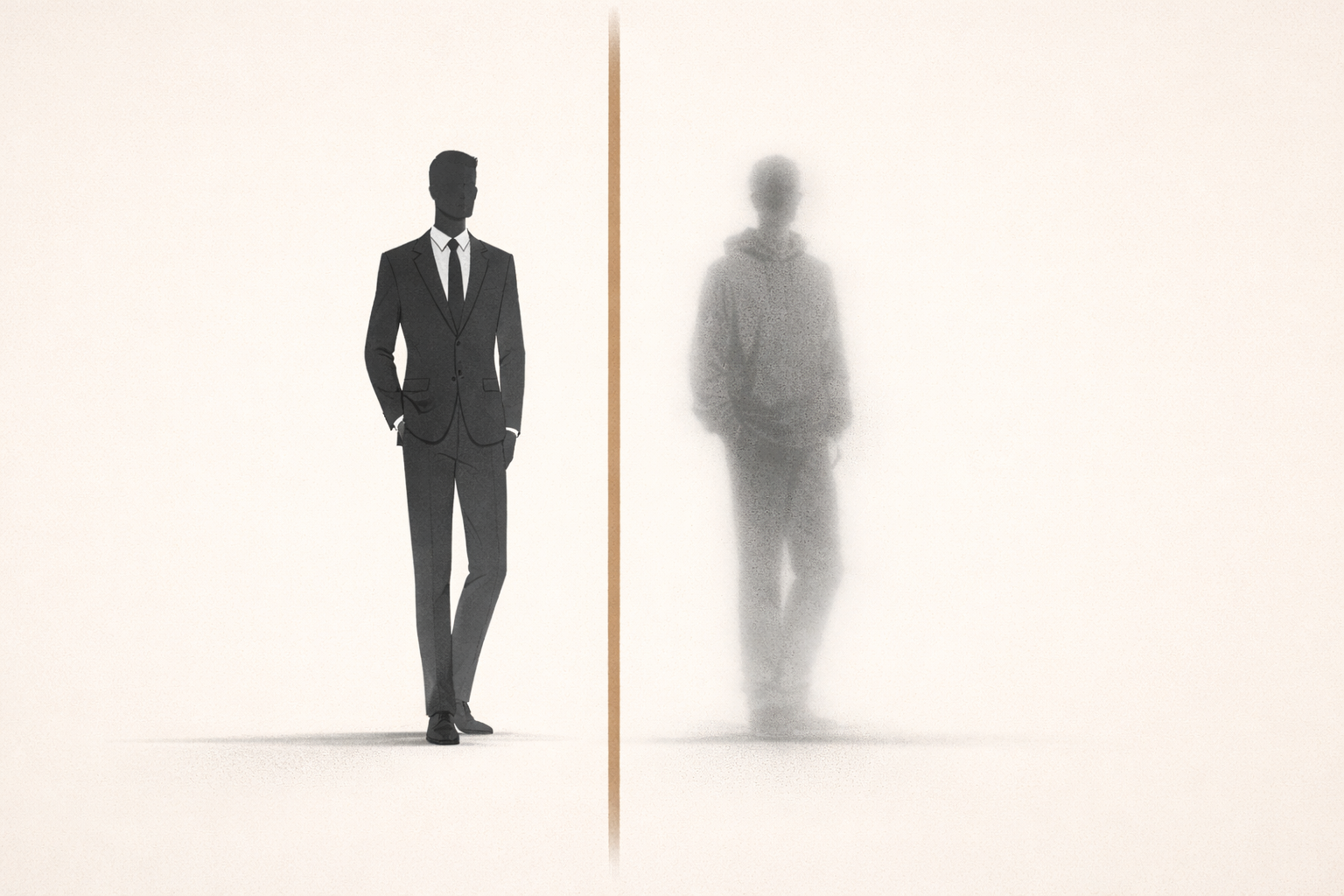
Most public debate around dress codes stays at the surface. People frame the issue as preference, respectability politics, or personal expression. However, that framing is too shallow to explain what is really happening. In practice, dress code enforcement operates as a signal system. It tells guests, staff, and observers what kind of environment they are entering and what kind of behavior belongs inside it.
Therefore, the real issue is not fabric. The real issue is alignment. When standards are clear, signals are clear. When signals are clear, behavior becomes easier to manage. As a result, the environment feels coherent rather than conflicted.
Dress Code Enforcement Is About Signal Control
Every serious environment communicates expectations before a word is spoken. Lighting does it. Music does it. Layout does it. Staff presentation does it. Dress code enforcement does it too. Together, these cues tell people how to move, how to speak, and how much discipline the space expects from them.
By contrast, when those cues become inconsistent, people stop reading the room the same way. Some respond to the old standard. Others test a new one. Then confusion enters the environment. Once confusion takes hold, enforcement becomes harder because the standard is no longer obvious.
When Dress Code Enforcement Weakens, Value Starts to Slip
Undefined standards create a predictable chain reaction. First, expectations soften to avoid discomfort. Next, clarity gives way to interpretation. Then interpretation produces inconsistency. After that, inconsistent enforcement erodes credibility. Finally, once credibility drops, perceived value follows it down.
- Relaxed standards invite wider interpretation
- Wider interpretation produces mixed behavior
- Mixed behavior weakens the shared atmosphere
- Weakened atmosphere damages perceived value
- Damaged value changes how the brand is read
In other words, this is not abstract theory. It is operational decline. Spaces that depend on tone, expectation, and perceived quality cannot afford endless ambiguity without paying for it later.

The Cost of Ambiguity in Premium Spaces
Organizations often underestimate how quickly weak standards alter perception. Yet dress is one of the first things people see. It shapes first impressions before service has a chance to recover the moment. Consequently, unclear standards can dilute professional identity, weaken team cohesion, reduce customer confidence, and make leadership look uncertain.
In customer-facing spaces, that cost is immediate. In internal spaces, it moves more slowly. Nevertheless, it still spreads. Once people see that one standard is optional, they begin to wonder which other standards are optional too. That question reaches beyond appearance and into communication, behavior, timing, and performance.
Dress Code Enforcement Is Behavioral Infrastructure
Standards are not restrictions for their own sake. Rather, they are infrastructure. They reduce guesswork, clarify expectations, and protect the atmosphere that a brand is trying to maintain. Because of that, dress code enforcement is not a side issue. It is one visible part of the system that tells people the room has a standard and that the standard means something.
This follows the same logic behind Structure Builds Freedom. Clear boundaries do not suffocate a space. Instead, they make the space readable. And readable spaces are easier to lead, easier to protect, and easier to trust.
Why This Debate Reaches Beyond Clothing
More broadly, this debate reveals a cultural hesitation around standards themselves. Too many institutions want the image of order without the friction of enforcement. They want seriousness as a brand signal but not as an operating discipline. However, a space cannot preserve value if it refuses to preserve the standards that signal value in the first place.
Eventually, the question becomes simple. Will leadership define the room, or will the room define itself. If leadership hesitates long enough, the answer is obvious. Drift wins. Then atmosphere weakens, trust weakens, and value weakens with it.
The Groundwork
Dress code enforcement is one of the clearest tests of whether a brand still believes in its own standards. When enforcement is clear, the environment feels legible. When the environment feels legible, trust rises. Then value has something solid to stand on.
That is why undefined standards are never neutral. They invite drift. And once drift becomes the culture of a space, leadership is no longer protecting value. It is reacting to the consequences of its own hesitation.
