
Sustainable workload discipline is the practice of judging new work by whether it can be carried repeatedly without quietly weakening the rest of your life.
Doing something once proves very little. A new task can fit into one motivated afternoon. A stronger routine can survive a clean morning. An expanded schedule can look impressive for several days while attention is high and everything else happens to cooperate.
The harder test comes later. Can the addition still live inside an ordinary week without shrinking recovery, crowding out older responsibilities, or requiring a permanent level of effort that was never realistic?
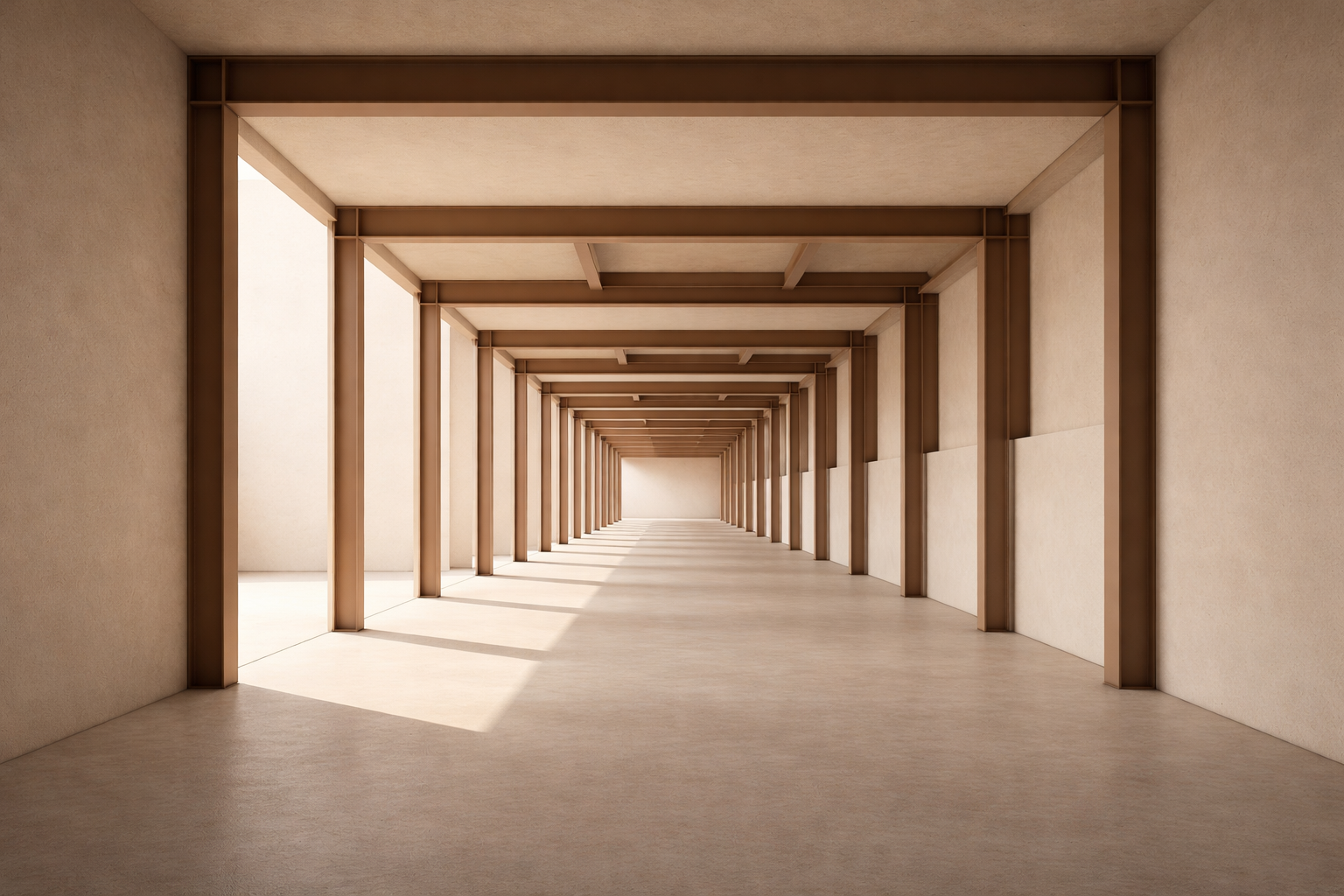
Repetition tells the truth that enthusiasm often hides.
At the beginning, you naturally compensate. You remember the new responsibility because it is new. You rearrange other parts of the day because you want it to work. A little extra friction feels tolerable because the result still seems worth the effort.
Then the novelty fades, and the new load has to become part of ordinary life. That transition is where sustainable workload discipline is either proven or exposed.
Sustainable Workload Discipline Is Proven Through Repetition
The first few days of a new responsibility are unusually forgiving. You are paying attention. You remember the details. The inconvenience feels temporary because the addition still carries some excitement.
Repetition removes that advantage. Eventually, the task has to coexist with groceries, sleep, meetings, family obligations, household maintenance, bad weather, late starts, and the hundreds of ordinary things that do not disappear because something new entered the schedule.
That is why repetition is a better test than enthusiasm. It reveals whether the new layer actually belongs inside the structure.
Early Success Can Be Misleading
A temporary push can make a weak arrangement look sustainable. You stay up later, borrow time from somewhere else, or tolerate a little disorder because you assume things will settle down soon.
Sometimes they do. In other cases, the extra effort simply becomes the new expectation.
The distinction matters. A workload is not sustainable merely because you have managed to survive it so far.
Sustainable Workload Discipline Uses the Ordinary Day
The strongest test is not your best day. It is a normal one.
Energy is decent but not exceptional. Work is active. Something takes longer than expected. A message interrupts you. Dinner still needs to happen. You are capable, but nobody would describe the day as unusually easy.
Can the new responsibility still fit there?
Do Not Design Around Permanent Peak Capacity
Peak capacity is useful when something genuinely important requires a temporary push. It is a poor baseline for ordinary life.
If the routine only survives when sleep is excellent, the calendar behaves, and attention is unusually sharp, the system is depending on favorable conditions instead of durable structure.
A sustainable workload leaves room for the person to be human inside it.
The New Work Has to Share the Day
One of the easiest mistakes is imagining a new commitment in isolation. Of course it fits when nothing else is standing next to it.
Real life is not empty space. The new responsibility has to share the day with everything that already earned a place there.
This is why Add Carefully or Pay for It Later matters. Every addition creates future responsibility, not just a new opportunity.
Look for the Hidden Workload Around the Addition
The visible task is only part of the load. Most responsibilities also create supporting work.
A new project can create messages, meetings, preparation, switching costs, and follow-up. A new exercise routine may create travel, laundry, meal timing, recovery, and a new claim on the morning. Even a useful household system can create stocking, cleaning, resetting, and decisions about what happens when the routine gets interrupted.
None of those costs makes the addition wrong. They simply belong in the calculation.
Count the Load You Usually Ignore
The maintenance around a responsibility is often what turns a manageable idea into an unsustainable workload.
Ask what has to happen before the task begins, what happens after it ends, and what else has to move whenever the task takes longer than expected. That gives you a more honest picture of what you actually added.
Where Sustainable Workload Discipline Starts to Break
Breakdown usually begins quietly. There is no dramatic failure. The system simply gets a little heavier.
Recovery shortens. Small tasks begin stacking. Existing routines become less reliable because the new layer receives first claim on attention. The person starts using evenings or weekends to repair what the regular schedule can no longer hold.
That pattern is easy to excuse because the visible work may still be getting done.
Notice What the New Load Is Displacing
Do not only measure whether the new task survived. Notice what had to become smaller for it to survive.
Did sleep lose thirty minutes? Did exercise disappear? Is the kitchen perpetually one day behind? Did important work become harder to finish because the calendar now contains more meetings? Are you mentally carrying unfinished tasks into every quiet part of the evening?
Those are not separate problems. They may be the carrying cost showing up elsewhere.
Overload Often Looks Like Compensation
When a system is overloaded, a capable person can hide the problem for a surprisingly long time.
You remember more, hurry more often, work later, and skip the break. Personal effort keeps the whole arrangement upright.
That may look like commitment. It can also be evidence that the structure is asking too much from the person carrying it.
Workload and Available Resources Have to Stay in Balance
The broader relationship between demands and available resources also appears in occupational health research. The National Institute for Occupational Safety and Health describes work stress in part as a mismatch between job demands and a worker’s capabilities, resources, or needs.
NIOSH provides an overview of work demands, work design, and occupational stress.
The Daily Build applies that principle at a smaller scale. When the load grows, either the available capacity and supporting structure must grow with it, or something else eventually absorbs the difference.
Sustainable Workload Discipline Protects the Base First
Growth is only useful if the structure that made growth possible remains healthy enough to support it.
Existing routines still matter. Recovery still matters. Important work still needs enough uninterrupted time to finish. The new responsibility does not automatically outrank everything that existed before it.
Protecting the base is not resistance to growth. It is what keeps growth from eating its own foundation.
Protect What the New Work Depends On
A new responsibility often depends on older structures that are easy to overlook. Sleep supports attention. Household maintenance protects usable time. Recovery supports consistent effort. Established routines reduce how many decisions the day requires.
When those supports start weakening, the new workload may still survive for a while. However, it is now being financed by the very structure that made expansion possible.
Limit Simultaneous Changes
One clean way to protect capacity is to avoid adding several new layers at once.
When three changes begin together, it becomes difficult to see which one created the strain. Adaptation also gets harder because the whole operating environment is moving at once.
Let one addition settle before deciding what else the system can responsibly carry.
Do Not Call Overload Commitment
There is no prize for keeping every addition simply because you once decided it mattered.
A commitment can shrink. A routine can become smaller. A project can wait. An obligation that no longer fits can leave.
Sustainable workload discipline includes the willingness to admit when the system has learned something the original plan did not know.
Better Structure Helps, but It Cannot Make Every Workload Sustainable
Structure matters because repeated work needs clear places, boundaries, and sequences. That is the argument behind More Output Requires Better Structure.
Yet structure has limits. A better calendar cannot make twenty hours of work fit into ten. Cleaner sequencing cannot eliminate the maintenance cost of every responsibility. A good system can reduce waste, but it cannot repeal capacity.
That distinction is important. Otherwise, productivity becomes a way to keep finding new places to hide overload.
A Sustainable Workload Leaves Enough Life Around the Work
There is more to a life than proving how much it can hold.
Some capacity should remain available for the unexpected conversation, the slow dinner, the walk that takes longer than planned, or the evening that does not need to become a recovery operation for the day that came before it.
A workload can be efficient and still be too expensive. It can produce excellent results while consuming nearly every bit of margin around them.
Durable growth should leave enough of the person available for the life the work was supposed to support.
Sustainable Workload Discipline on Heavy Days
Heavy days are useful because they reveal what the system considers essential.
When everything cannot fit, return to the smaller operating standard:
Keep the base intact.
Carry the essential layer.
Protect recovery.
Let the rest wait.
If the system cannot tolerate that reduction without collapsing, it may be depending too heavily on perfect conditions.
Run the Sustainable Workload Check
Take one responsibility that was added recently and judge it after the excitement has faded.
Ask Five Questions
- Repeatability: Can I carry this on an ordinary day?
- Hidden load: What preparation, maintenance, recovery, or follow-up comes with it?
- Displacement: What has received less time or attention since this was added?
- Strain: Am I relying on extra effort to hide a structural mismatch?
- Adjustment: Should the load stay, shrink, move, or leave?
The point is not to protect every commitment. It is to protect the larger system from commitments that cost more than they return.
Sustainable Workload Discipline Makes Growth Real
Growth becomes real when the new layer can survive repetition without weakening the life around it.
Judge additions after novelty fades, count the hidden workload, and use ordinary capacity as the baseline. Also watch what gets displaced, because the true cost of an addition often appears somewhere other than the task itself.
When a responsibility can be carried repeatedly, it can become part of the structure. If it cannot, the workload may need to shrink, move, wait, or leave.
That is not retreat. It is the discipline that keeps growth from becoming another thing you have to recover from.
Build What Holds
A sustainable workload is not measured by how much can be forced through the system temporarily. It is measured by what can be carried repeatedly without consuming the structure, recovery, and human capacity that make repetition possible.
Audit One Added Responsibility
Choose one responsibility that entered your life recently. For the next two days, notice the work around it: preparation, switching, follow-up, recovery, and what gets displaced. Then decide whether the load belongs at its current size.
National Institute for Occupational Safety and Health — Stress at Work
Context on the relationship between workload, work demands, available resources, and occupational strain.
Further Groundwork
Add Carefully or Pay for It Later
Every addition becomes future responsibility.
More Output Requires Better Structure
A stronger frame matters because repetition exposes the real operating load.
The Discipline of Expansion
Continue through the complete Week 5 collection on addition, structure, carrying cost, review, and pace.
The Daily Build · Week 5
The Discipline of Expansion
Week 5 tests whether growth remains useful after expansion becomes ordinary and the new load has to be carried repeatedly.
Explore the Week 5 collection →The Daily Build
Explore the Full Series
The Daily Build examines practical systems, recovery, adaptation, maintenance, rhythm, and the structures that make useful work easier to carry under real conditions.
Explore The Daily Build →Build Better. Every Day.
Groundwork Daily looks beneath visible results for the structures carrying the weight. Follow The Daily Build for practical systems designed to hold under ordinary life.
Join the Groundwork
Small structures. Useful corrections. A workload built to survive repetition.
Five days on disciplined growth, controlled expansion, and building structure that can hold under pressure.
Add Carefully or Pay for It LaterMore Output Requires Better Structure
What You Add Must Be Carried Daily
Expansion Without Review Creates Drift
Growth That Lasts Is Built Slowly