Why Do People Migrate?
People migrate because systems stop providing stability. Economic pressure builds, opportunities shrink, and living conditions weaken. As a result, individuals and families move toward places that offer better access to work, safety, services, and long-term security.
That does not mean migration is random or purely emotional. In most cases, people move after conditions change around them. They compare risk, opportunity, safety, family responsibility, and future possibility. Then they respond to the system they are living inside.
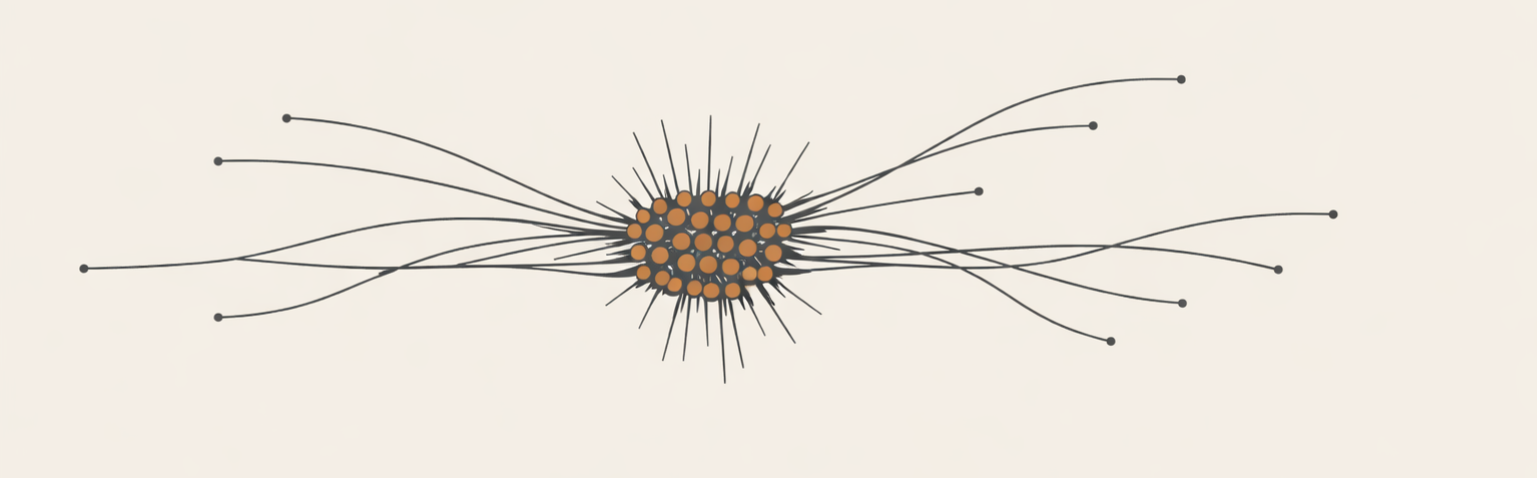
In other words, migration is not only a personal decision. It is also a system signal. When enough people begin making similar decisions, movement reveals where stability has failed and where alternatives appear more viable.
Main Reasons People Migrate
The main reasons people migrate usually fall into several connected categories:
- economic instability and job loss
- rising cost of living
- lack of opportunity
- political or social instability
- family reunification
- access to better services and infrastructure
- environmental pressure or displacement
- education and long-term mobility
- public safety concerns
These causes rarely operate alone. For example, economic pressure may combine with weak public services. Political instability may also reduce employment options. Environmental strain may weaken housing, food systems, and local work at the same time.
Therefore, migration often reflects stacked pressure rather than one isolated trigger.
Why Do People Migrate When Systems Weaken?
Migration does not begin at the border. Instead, it begins where local systems stop holding ordinary life together. Jobs become less reliable. Prices rise faster than wages. Public services weaken. In addition, trust in local institutions may decline.
Over time, households begin to see staying as a growing risk rather than a stable option. That shift matters. People rarely move because of one isolated event. More often, they move because repeated pressure changes what feels possible.
That pressure changes decision-making. A family may stay through hardship if the future still feels workable. However, once the local system stops offering a believable path forward, movement becomes easier to consider.
Therefore, migration is usually a response to accumulated strain, not sudden impulse.
Migration Follows Structure, Not Chance
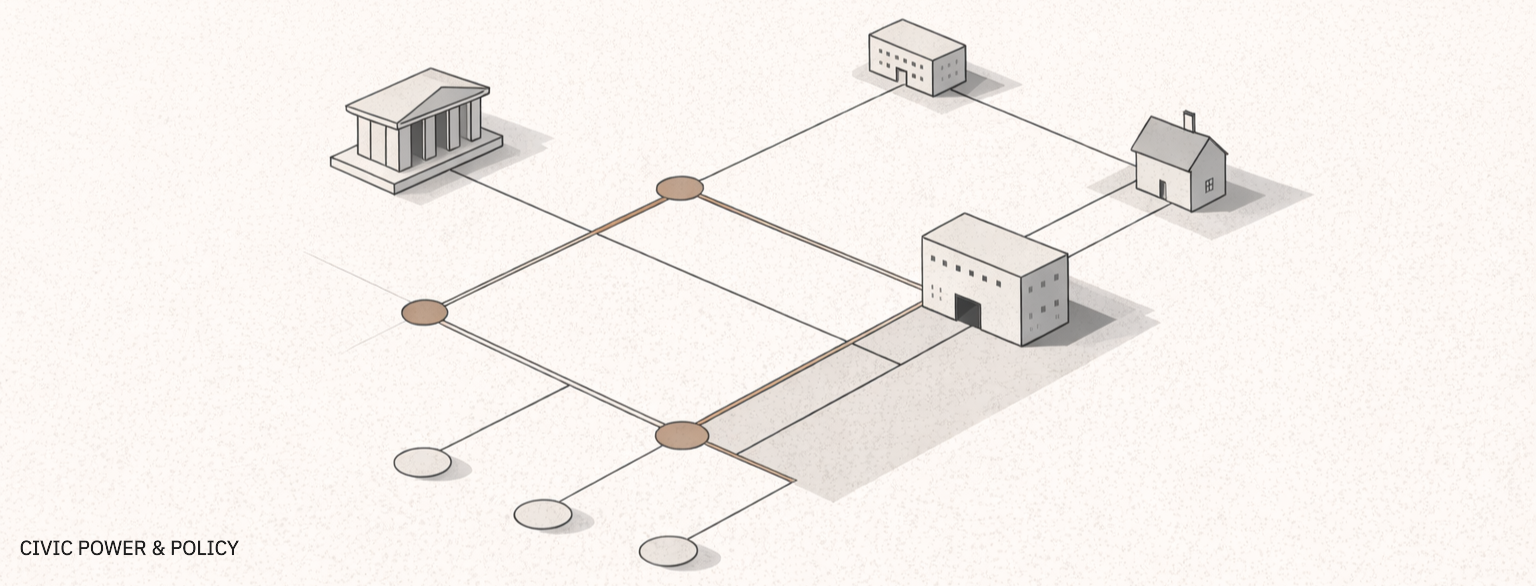
People do not move randomly. They follow pathways shaped by policy, enforcement, family networks, labor demand, geography, cost, and institutional behavior.
Some systems appear more open. Others appear more stable. Still others offer stronger labor access or clearer administrative routes. Consequently, migration patterns reflect structure as much as personal need.
If one country offers work but limited legal access, informal pathways may grow. If another offers humanitarian protection but limited housing capacity, pressure may shift into local shelter systems. The movement may look chaotic, but the incentives underneath it are structured.
This is why the question “why do people migrate?” needs a systems answer. People are making personal decisions, but they are making those decisions inside policy, labor, family, and institutional structures.
Pressure Explains Why. Pathways Explain Where.
Economic pressure helps explain why people begin considering movement. Policy pathways help explain where that movement goes.
That distinction is critical. A household may feel pressure to leave, but the destination is shaped by routes, rules, networks, and perceived possibility. People move toward places that appear reachable and stable, not simply places that sound ideal.
This is why Economic Pressure Drives Migration Flow and Policy Design Signals Migration Pathways should be read together. One explains urgency. The other explains direction.
Without pressure, people may not move. Without pathways, pressure may remain trapped inside the origin system. When pressure and pathways connect, migration flow becomes visible.
The Full Migration System
Migration is not driven by one cause alone. Pressure starts the process. Policy shapes direction. Institutional capacity determines whether systems stabilize or strain. Then narrative shapes how the public interprets what happened.
This sequence matters because public debate often starts too late. It notices the arrival point but ignores the pressure point. It debates the border while missing the origin system, the incentive pathway, and the receiving system’s capacity.
For example, a city may experience pressure in housing or schools after new arrivals. The easy explanation is to blame migration itself. However, the deeper systems question is whether housing, staffing, planning, and public coordination were already too thin before the pressure arrived.
That is why Institutional Capacity Limits Migration Absorption matters. It shows how receiving systems determine whether movement becomes manageable or destabilizing.
To understand the larger sequence, read The Migration Systems Framework. For global migration data, see the International Organization for Migration.
Frequently Asked Questions
Why do people migrate?
People migrate when economic pressure rises, stability declines, and opportunities shrink. Movement occurs as individuals and families seek better access to work, safety, services, and long-term security.
What are the main causes of migration?
The main causes of migration include economic instability, lack of opportunity, rising living costs, weak public services, family reunification, environmental pressure, education, public safety concerns, and political or social instability.
Is migration random?
No. Migration follows structured patterns shaped by economic pressure, policy pathways, family networks, labor demand, geography, enforcement, and institutional capacity.
Why do people migrate across borders?
People migrate across borders when pressure inside one system meets a pathway toward another system that appears more stable, safer, or more economically viable.
The Groundwork
Why do people migrate? People migrate when stability declines and alternatives become more viable. Migration reflects system conditions, not isolated decisions. When systems fail to hold, movement begins.
The stronger question is not only why people leave. The stronger question is what failed, what opened, and what system absorbed the pressure next.
Once that sequence becomes visible, migration stops looking like chaos and starts reading like structure.
Continue Building
This entry post introduces the migration question. Continue into the full framework and the pressure layer below.
→ Framework: The Migration Systems Framework
→ Pressure: Economic Pressure Drives Migration Flow
→ Pathway: Policy Design Signals Migration Pathways
Receipts