
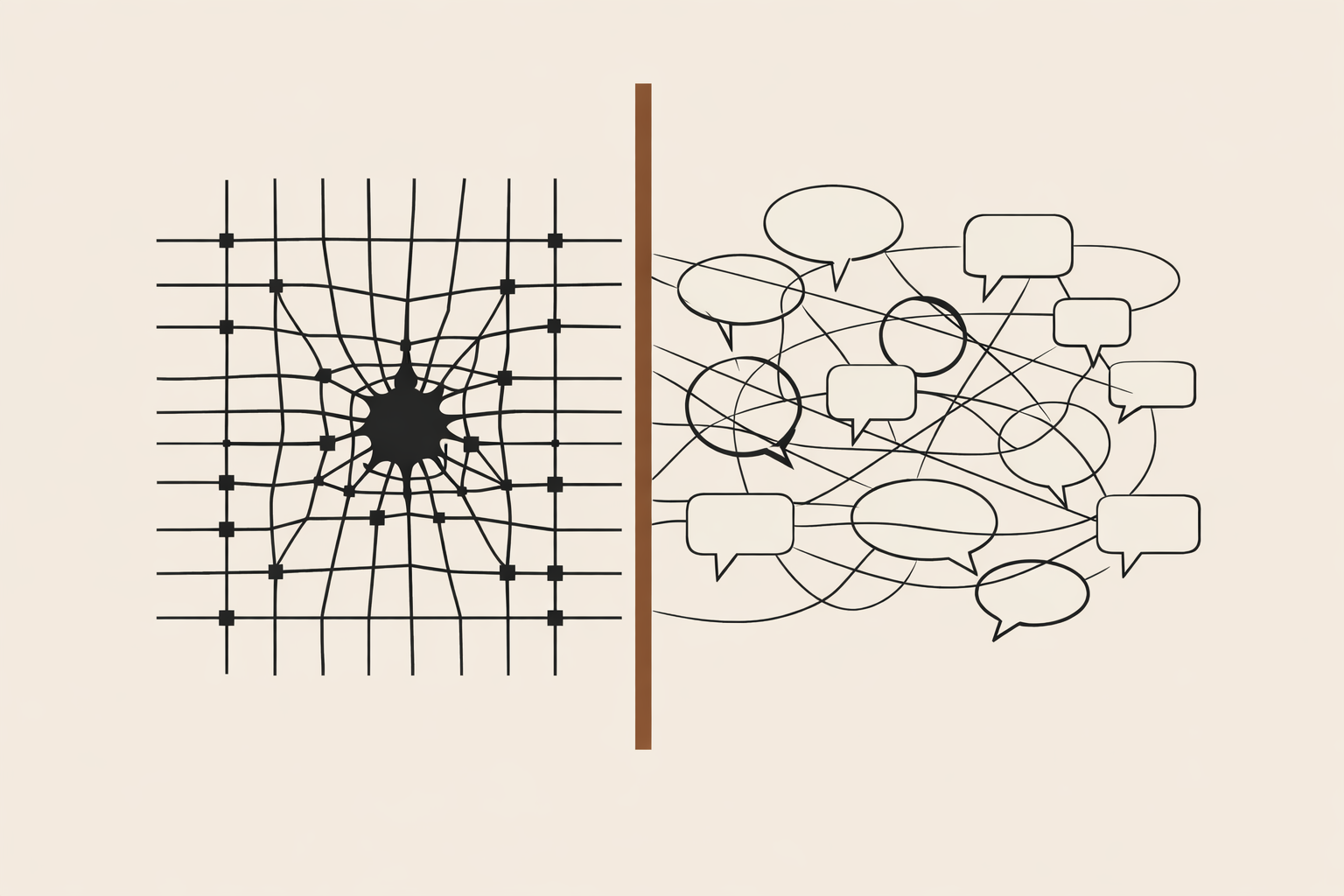
Black fatigue vs conversation fatigue is not a minor wording issue. It is the difference between naming a structural burden and naming a reaction to public discourse.
When people use one phrase for two different experiences, the conversation loses precision. Then the analysis weakens. Then the discussion starts rewarding feeling over structure.
The phrase black fatigue, as outlined by Mary-Frances Winters, names the cumulative emotional, mental, and physical toll created by repeated racial stressors over time. By contrast, conversation fatigue describes exhaustion with race-related discourse, public tension, social friction, or repeated argument.
Both experiences can be real. However, black fatigue vs conversation fatigue remains a necessary distinction because the source, weight, and consequence of each condition are not the same.
Black Fatigue vs Conversation Fatigue Begins with Structural Load
Black fatigue refers to long-term structural load. It grows through repeated exposure to bias, vigilance, code-switching, institutional distrust, social misreading, and unevenly distributed pressure.
This condition does not depend on one event. It builds through repetition. The strain accumulates, and recovery often remains incomplete.
That is why black fatigue should be understood as a systems condition. It reflects prolonged burden, not temporary discomfort.
Black Fatigue vs Conversation Fatigue Also Requires Naming Response Strain Clearly
Conversation fatigue is different. It describes the exhaustion some people feel when public discussion around race becomes constant, tense, emotionally charged, or socially demanding.
People may feel saturated by media cycles. They may feel defensive in workplace settings. They may feel worn down by repeated conflict. Those reactions deserve accurate language. Still, those reactions do not become black fatigue simply because race is part of the conversation.
That distinction matters. Conversation fatigue is response strain. Black fatigue is structural load.
Why Black Fatigue vs Conversation Fatigue Cannot Be Treated as the Same Thing
The breakdown starts when two different realities are collapsed into one label.
One reality involves enduring a system. The other involves reacting to discourse about that system.
Once that line disappears, false equivalence enters the discussion. Structural strain starts looking like ordinary discomfort. Conversational overload starts borrowing the moral and historical weight of a condition it does not actually describe.
That is not clarity. That is conceptual drift.
Why Mislabeling Black Fatigue vs Conversation Fatigue Damages the Conversation
Mislabeling does not make the discussion more inclusive. It makes it less exact.
- The original concept loses force.
- The conversation shifts from systems to sentiment.
- The discussion begins circling tone instead of structure.
As a result, people argue about how they feel rather than what the system is doing. That is a weak exchange because it creates noise without producing definition.
For a related framework on how public meaning gets distorted, see Visibility Is Not Validation.
How Black Fatigue vs Conversation Fatigue Should Be Discussed
First, define terms before debate begins. If people use the same phrase to mean different things, they are not actually having the same conversation.
Second, separate structure from sentiment. Feelings matter, but systems shape outcomes. A person can feel exhausted by a topic without sharing the same condition as the people living under its pressure.
Third, name the experience directly. If the issue is overload from discourse, say conversation fatigue. If the issue is cumulative burden from structural racial stress, say black fatigue. Precision improves discussion because it keeps each experience in its proper frame.
For a broader discussion of race-related workplace and leadership strain, review Mary-Frances Winters on Black Fatigue.
The Groundwork on Black Fatigue vs Conversation Fatigue
Black fatigue vs conversation fatigue is a necessary distinction. One names structural burden. The other names response strain. Both may be discussed honestly, but they should not be treated as interchangeable.
Clear language protects clear thought. Clear thought protects the conversation. When the wording holds, the analysis can hold too.
Further Groundwork
Notes
A useful discussion separates lived structural burden from exhaustion about discourse. Once those categories blur, the conversation stops producing insight.
