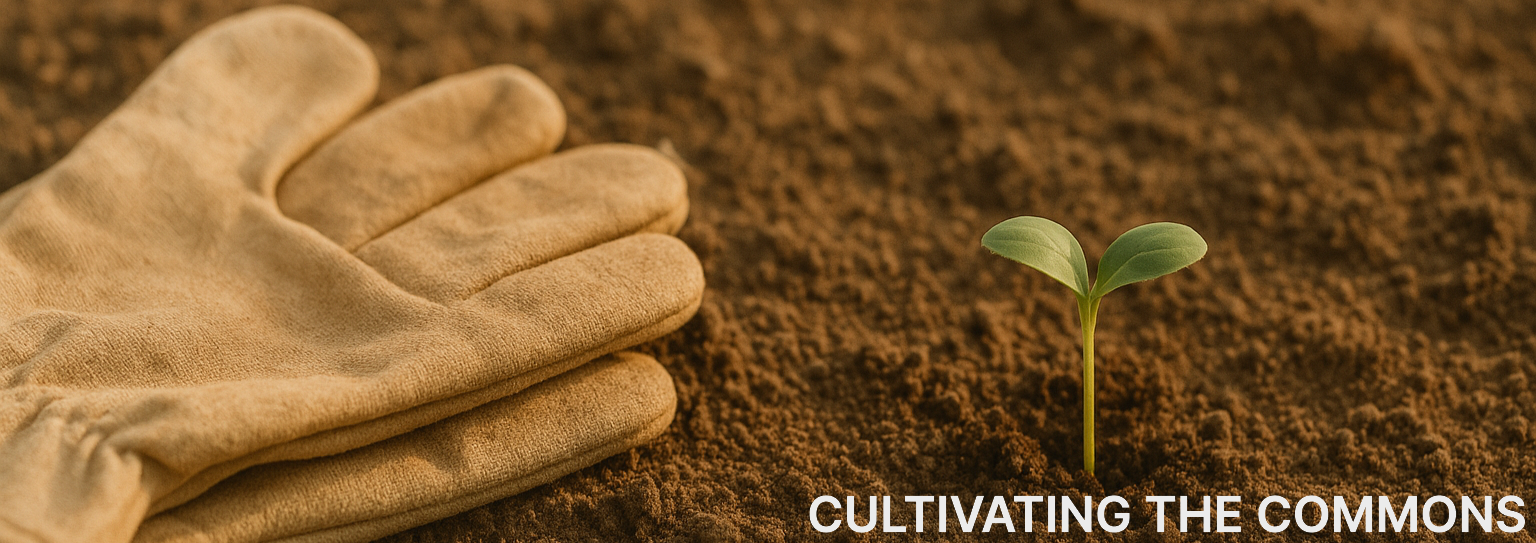
Belonging is not a feeling first. It is a maintenance system.
Most communities do not fail because people suddenly become selfish.
Instead, they weaken gradually. Expectations become unclear. Responsibility becomes uneven. Contribution becomes invisible.
Then something subtle happens.
People continue enjoying the benefits of the group while assuming someone else will protect the structure underneath it.
That pattern has a name.
The free rider problem in communities describes what happens when shared outcomes remain available even after shared responsibility begins disappearing.
At first, nothing appears broken.
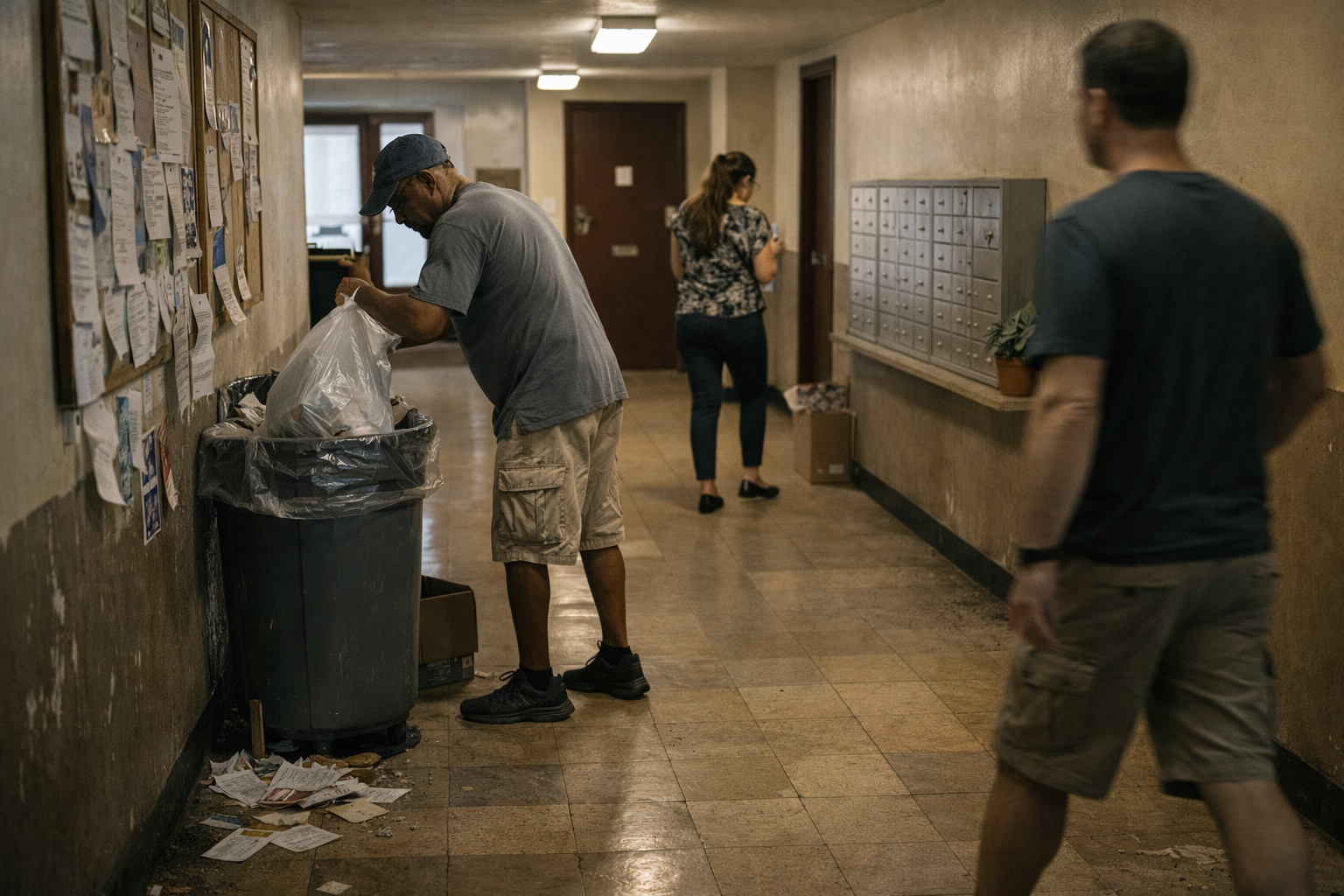
The lights still work. The newsletter still arrives. Shared spaces still look organized. Community events still happen.
However, the appearance of stability can hide a growing imbalance.
Usually, a small number of contributors are carrying far more than everyone realizes.
By the time the decline becomes visible, the system has often been under strain for months or years.
What the Free Rider Problem Means
The free rider problem in communities occurs when people receive collective benefits without participating in the work required to maintain those benefits.
That work is not always dramatic.
Often, it looks ordinary.
- Cleaning shared areas
- Showing up consistently
- Communicating information
- Volunteering time
- Resolving disagreements
- Maintaining standards
Because those actions appear small, they are easy to overlook.
Yet communities rarely survive without them.
The issue is not occasional imbalance. Healthy groups absorb uneven seasons.
The problem begins when uneven contribution becomes permanent.
Why Communities Depend on Maintenance More Than Motivation
Community is often described emotionally.
In practice, community behaves more like infrastructure.
Infrastructure survives because maintenance happens repeatedly.
Someone opens the building.
Someone schedules the meeting.
Someone answers questions.
Someone welcomes new members.
Someone notices the details.
Without those repeated actions, belonging slowly becomes symbolic instead of functional.
That shift matters.
Once maintenance becomes optional, participation eventually becomes optional as well.
As a result, contribution starts concentrating into fewer hands.
The Hidden Cost of Uneven Contribution
When contribution becomes concentrated, contributors experience a hidden tax.
Over time they become:
- The planner
- The organizer
- The cleaner
- The mediator
- The reminder system
- The emotional support structure
Initially, this may look like leadership.
However, leadership and dependency are not the same thing.
If a system cannot function unless the same people carry it every week, resilience has already weakened.
Eventually, contributors reduce effort.
When that happens, outsiders often describe the change as sudden.
Usually it was cumulative.
Why Contribution Creates Belonging
Belonging becomes stronger when people participate in producing what they enjoy.
People protect what they help build.
Likewise, people value what requires effort.
Ownership and participation reinforce one another.
Importantly, contribution does not require identical effort.
Different people contribute in different ways.
Healthy communities allow flexibility while preserving responsibility.
Examples include:
- Offering practical help
- Sharing knowledge
- Welcoming newcomers
- Supporting events
- Maintaining communication
- Helping solve recurring problems
In each case, contribution transforms membership into ownership.
Warning Signs That a Community Is Becoming Fragile
The free rider problem usually appears in behavior before outcomes.
Watch for these indicators:
- The same names appear on every volunteer list
- Attendance remains stable while participation falls
- Shared spaces deteriorate gradually
- Complaints increase while ownership declines
- People expect service but avoid responsibility
- Maintenance becomes reactive instead of proactive
Importantly, these signals are not moral judgments.
They indicate that incentives and expectations are drifting apart.
How Communities Recover
Recovery rarely starts with inspiration.
Instead, it begins with redesign.
Communities improve when participation becomes:
- Visible
- Simple
- Distributed
- Rewarding
- Repeatable
People should understand how to help.
Likewise, contributors should feel that their effort matters.
In addition, responsibility should not become concentrated around the most reliable people.
Over time, trust returns.
Then participation increases.
Eventually, belonging becomes durable again.
The Groundwork
The strongest communities are not always the loudest, largest, or most passionate.
Usually, they are the most maintained.
Contribution remains visible.
Standards remain shared.
Responsibility remains distributed.
The free rider problem in communities begins the moment people believe outcomes should continue without participation.
Communities last when contribution becomes culture.
Further Groundwork