
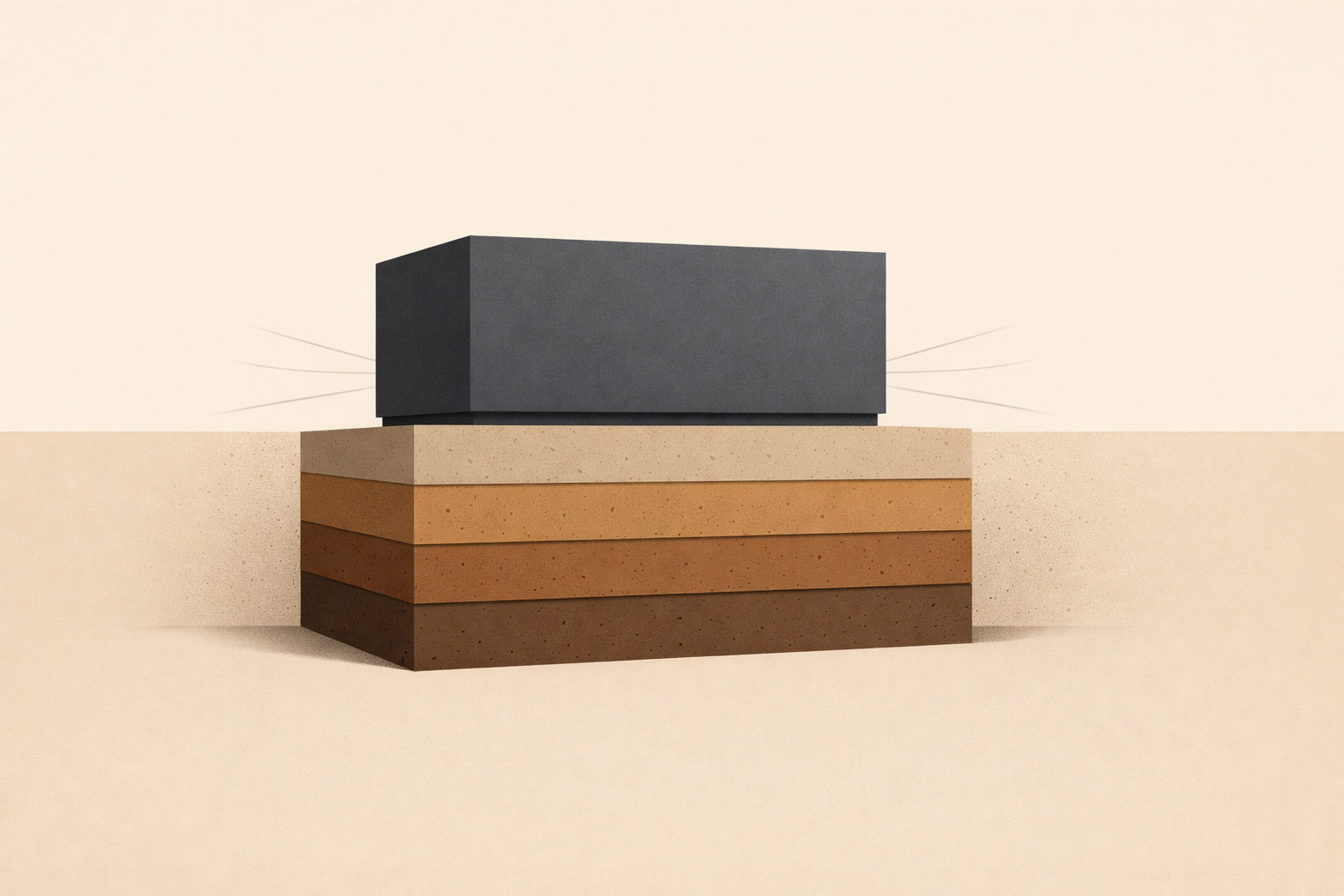
How do you create stability in your life?
Stability is not something the world grants you. It is infrastructure you build deliberately.
If you want to create stability in your life, you must treat stability as a requirement long before growth begins.
People chase breakthroughs because breakthroughs feel exciting. Stability feels ordinary. Quiet. Repetitive.
But stability is what allows everything else to survive.
Without it, progress resets. Goals become cycles. Small disruptions become major setbacks.
Systems create order.
Why Stability Matters
Growth depends on a base that does not shift under stress.
When stability is absent, every disruption feels catastrophic.
When stability exists, disruption becomes manageable.
Without stability:
- Decisions become reactive
- Emotions override judgment
- Financial volatility creates chronic stress
- Progress resets after setbacks
- Urgency replaces intentionality
With stability:
- Decisions slow down
- Risk becomes calculated
- Energy becomes focused
- Recovery becomes faster
- Progress compounds
Stability is not comfort.
It is functional consistency under pressure.
How to Create Stability in Life
Creating stability in your life requires systems, not intensity.
Most people try to feel stable.
Stable people design conditions that reduce unnecessary volatility.
- Control fixed expenses so your financial floor is visible
- Establish predictable routines that reduce decision fatigue
- Create emergency buffers before emergencies happen
- Reduce unnecessary commitments
- Build habits that still function when motivation disappears
- Protect sleep and recovery as operational requirements
- Create default actions for difficult days
Stability grows through repetition.
You build it quietly.
You protect it intentionally.
Related: You Are Not Stuck. You Are Overloaded.
Building Emotional Stability
Emotional stability is not suppression.
It is regulation.
Without regulation, reaction dominates.
Instability amplifies conflict, exaggerates threat, and distorts perception.
Emotional discipline slows reaction time and protects judgment.
Read: Emotional Stability Is a Discipline
Financial and Structural Stability
Financial instability creates chronic stress.
Chronic stress narrows options.
Narrow options increase reactive decision-making.
Money does not create stability by itself.
Margin does.
Structure does.
Predictability does.
Continue: Financial Stability Systems
Physical Stability and Stress Regulation
Your body sets your baseline.
Sleep quality, recovery capacity, nutrition, and movement directly influence emotional steadiness.
People often try to solve structural exhaustion with motivation.
That strategy rarely survives pressure.
Read: Physical Stability and the Nervous System
Community Stability and Shared Responsibility
Stability does not exist in isolation.
Communities become stable when expectations become visible and participation becomes predictable.
Trust is infrastructure.
Shared standards reduce friction.
Explore: Community Stability and Shared Responsibility
Quick Stability Audit
Answer honestly.
- Could you absorb one unexpected expense?
- Do your routines survive stressful weeks?
- Can one conflict derail your entire day?
- Do you rely more on motivation than structure?
- Do you know what tomorrow already looks like?
Every “no” reveals a system gap.
That is good news.
Systems can be rebuilt.
Stability Precedes Freedom
Ambition without stability creates fragility.
Expansion without structure creates collapse.
People often try to earn stability after growth begins.
The order is backwards.
Build stability first.
Then take risk from stable ground.
You do not negotiate stability after pressure arrives.
You build it before the test.
Frequently Asked Questions
What creates stability in life?
Stability is built through routines, financial margin, emotional regulation, recovery, and repeatable systems.
Can stability exist without money?
Money helps, but stability also depends on expectations, habits, relationships, and disciplined structure.
What destroys stability?
Constant volatility, weak routines, unmanaged obligations, and reactive decisions.
How long does it take to build stability?
Longer than motivation. Faster than rebuilding after collapse.
→ Discipline Before Dollars
→ Financial Stability Systems
→ Emotional Stability Is a Discipline
→ Physical Stability and the Nervous System
→ Community Stability and Shared Responsibility
Stability is rarely dramatic.
That is why people underestimate it.
But almost everything durable is built that way.

How do you create stability in your life?
Stability is not something the world grants you. It is infrastructure you build deliberately.
If you want to create stability in your life, you must treat stability as a requirement long before growth begins.
People chase breakthroughs because breakthroughs feel exciting. Stability feels ordinary. Quiet. Repetitive.
But stability is what allows everything else to survive.
Without it, progress resets. Goals become cycles. Small disruptions become major setbacks.
Systems create order.
Why Stability Matters
Growth depends on a base that does not shift under stress.
When stability is absent, every disruption feels catastrophic.
When stability exists, disruption becomes manageable.
Without stability:
- Decisions become reactive
- Emotions override judgment
- Financial volatility creates chronic stress
- Progress resets after setbacks
- Urgency replaces intentionality
With stability:
- Decisions slow down
- Risk becomes calculated
- Energy becomes focused
- Recovery becomes faster
- Progress compounds
Stability is not comfort.
It is functional consistency under pressure.
How to Create Stability in Life
Creating stability in your life requires systems, not intensity.
Most people try to feel stable.
Stable people design conditions that reduce unnecessary volatility.
- Control fixed expenses so your financial floor is visible
- Establish predictable routines that reduce decision fatigue
- Create emergency buffers before emergencies happen
- Reduce unnecessary commitments
- Build habits that still function when motivation disappears
- Protect sleep and recovery as operational requirements
- Create default actions for difficult days
Stability grows through repetition.
You build it quietly.
You protect it intentionally.
Related: You Are Not Stuck. You Are Overloaded.
Building Emotional Stability
Emotional stability is not suppression.
It is regulation.
Without regulation, reaction dominates.
Instability amplifies conflict, exaggerates threat, and distorts perception.
Emotional discipline slows reaction time and protects judgment.
Read: Emotional Stability Is a Discipline
Financial and Structural Stability
Financial instability creates chronic stress.
Chronic stress narrows options.
Narrow options increase reactive decision-making.
Money does not create stability by itself.
Margin does.
Structure does.
Predictability does.
Continue: Financial Stability Systems
Physical Stability and Stress Regulation
Your body sets your baseline.
Sleep quality, recovery capacity, nutrition, and movement directly influence emotional steadiness.
People often try to solve structural exhaustion with motivation.
That strategy rarely survives pressure.
Read: Physical Stability and the Nervous System
Community Stability and Shared Responsibility
Stability does not exist in isolation.
Communities become stable when expectations become visible and participation becomes predictable.
Trust is infrastructure.
Shared standards reduce friction.
Explore: Community Stability and Shared Responsibility
Quick Stability Audit
Answer honestly.
- Could you absorb one unexpected expense?
- Do your routines survive stressful weeks?
- Can one conflict derail your entire day?
- Do you rely more on motivation than structure?
- Do you know what tomorrow already looks like?
Every “no” reveals a system gap.
That is good news.
Systems can be rebuilt.
Stability Precedes Freedom
Ambition without stability creates fragility.
Expansion without structure creates collapse.
People often try to earn stability after growth begins.
The order is backwards.
Build stability first.
Then take risk from stable ground.
You do not negotiate stability after pressure arrives.
You build it before the test.
Frequently Asked Questions
What creates stability in life?
Stability is built through routines, financial margin, emotional regulation, recovery, and repeatable systems.
Can stability exist without money?
Money helps, but stability also depends on expectations, habits, relationships, and disciplined structure.
What destroys stability?
Constant volatility, weak routines, unmanaged obligations, and reactive decisions.
How long does it take to build stability?
Longer than motivation. Faster than rebuilding after collapse.
→ Discipline Before Dollars
→ Financial Stability Systems
→ Emotional Stability Is a Discipline
→ Physical Stability and the Nervous System
→ Community Stability and Shared Responsibility
Stability is rarely dramatic.
That is why people underestimate it.
But almost everything durable is built that way.