
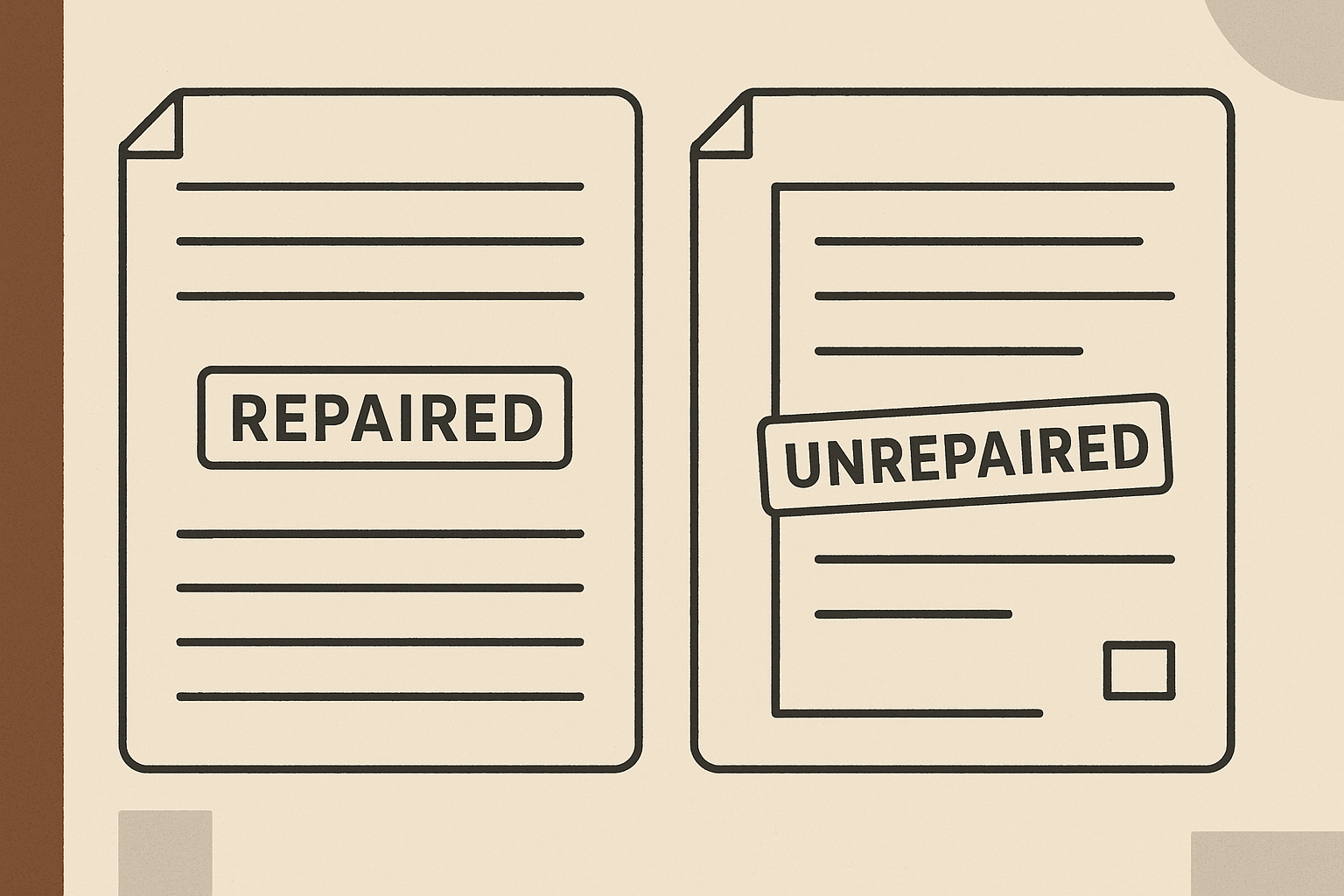
The national argument around reparations often begins with confusion about reparations feasibility. Many people ask whether the country can manage a program of this scale, even though the evidence is already in the public record. The United States has delivered targeted compensation for state harm before. The barrier is not capability. The barrier is political choice.
Reparations Feasibility Already Exists in U.S. Policy
When Congress passed the Civil Liberties Act of 1988, it did more than apologize to Japanese American internees. The law produced a working federal model for financial repair. More than 80,000 survivors received payments of $20,000 each, supported by a federal allocation that approached $1.25 billion. The logistics were clear. Government agencies identified eligible individuals, issued payments, and carried out a long delayed responsibility.
Other nations have taken similar steps. Germany has spent tens of billions of dollars compensating Holocaust survivors. These programs continue because the country accepts responsibility for the harm it caused. Once responsibility is acknowledged, the administrative steps fall into place.
Consider these numbers:
- Japanese American redress: more than 80,000 payments of $20,000 each, supported by federal allocations that approached $1.25 billion.
- Rosewood, Florida: more than $2.1 million provided to survivors and descendants through compensation and scholarship mechanisms.
- Evanston, Illinois: a ten year, $10 million local reparations fund with initial $25,000 housing grants for Black residents harmed by past policy.
- Germany: more than $60 billion delivered through indemnification and survivor support programs.
These examples demonstrate a consistent pattern. Once responsibility is acknowledged, governments identify the harmed group, define eligibility, allocate funds, and distribute resources. The feasibility question has already been answered in practice.
When Policy Refuses To Close the Gap
The racial wealth gap is measurable and persistent. Federal survey data shows the typical white family with nearly $188,000 in wealth. The typical Black family has roughly $24,000. This eight to one divide compounds over generations and shapes opportunity long before any government program enters the conversation.
Health outcomes follow a similar pattern. Black women are more than three times as likely to die from pregnancy related causes as white women. Higher rates of hypertension, diabetes, and stroke remain common. These figures are not random. They reflect long term exposure to structural disadvantage.
Reparations Feasibility Is Not the Problem
HR 40, the bill that would establish a commission to study and propose a plan for reparations, has stalled in Congress for decades. This delay cannot be explained by complexity. The federal government manages far larger and more intricate programs every year. The barrier is not technical. It is political.
The cost of inaction continues to grow. Each year without a structured intervention widens the racial wealth gap. Each year without investment in health infrastructure advances the disparities that already exist. Refusal to repair becomes another form of policy.
The Groundwork
The data makes the question of reparations feasibility even clearer, because the gaps we measure today trace directly back to generations of unrepaired harm. Reparations are not an abstract moral puzzle. They are a matter of alignment between the values a nation claims and the budgets it approves. When doubt enters the conversation, the corrective move is simple. Return to the record. Look at what has already been repaired, how much was spent, and how quickly governments moved once the political will appeared.
Further Groundwork
Receipts
