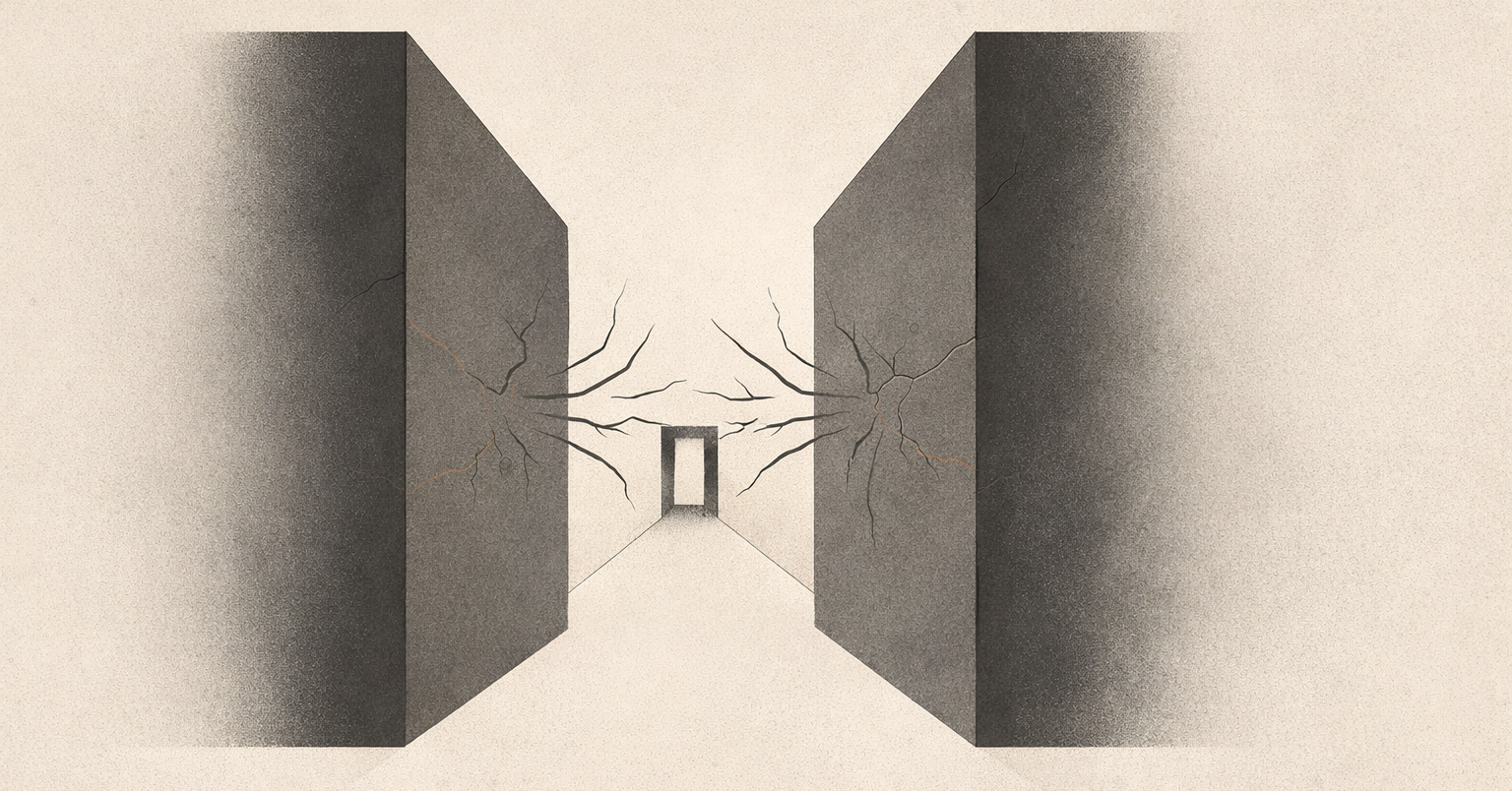
Refusing to listen gets mislabeled as attitude. In real life, it is often protection. It is the nervous system trying to stay in control. It is the mind avoiding a conclusion it does not want to face. And when that resistance becomes a habit, every conversation turns into a wall.
So this is not a scolding. It is a diagnostic. Because once the pattern is named, the exit stops feeling imaginary.
Refusing to Listen Is a Strategy
When someone will not hear you, it usually is not because your words are unclear. It is because your words threaten a structure they are using to survive. Listening is not passive. Listening is agreement to consider change, and change has a cost.
That is why resistance can look “hard-headed” even when it is actually fear. It is safer to argue the delivery than to face the message. It is safer to nitpick tone than to admit the point landed.
Why Listening Feels Like Losing
For many people, listening feels like surrender. It feels like giving someone else control of the story. That is especially true when identity is fused to being right, being strong, or being the one who never needs help.
In that setup, clarity feels dangerous. Because clarity makes decisions necessary. And decisions remove wiggle room.
Stillness Note: If a person can only “listen” while winning, they are not listening. They are negotiating.
The Hidden Drivers: Shame, Threat, and Control
Three forces tend to power listening failure:
- Shame: If hearing you means admitting they were wrong, they would rather go numb than feel exposed.
- Threat: If your point implies a change in behavior, the body treats it like a loss of freedom.
- Control: If listening might shift the power dynamic, resistance becomes a way to keep the upper hand.
So the goal is not to “win harder.” The goal is to lower threat and raise clarity.
How to Reopen the Channel Without a Fight
First, name the pattern without attacking the person. Then, ask one clean question that makes avoidance expensive:
- “What feels at risk if you take this in?”
- “What outcome are you trying to prevent right now?”
- “What would listening require you to change?”
Next, keep your sentences short. Also, leave space after you speak. Silence forces reality to show itself. Finally, if they still refuse to listen, treat that as data. A closed ear is a closed door.
The Stillness Line: If someone cannot listen, they cannot build. And if they cannot build, they are not a partner. They are a project.