
What Pair Bonding Science Actually Explains
Pair bonding science explains attachment as biology shaped by behavior, repetition, and choice, not romance.
In mammals, pair bonding describes a stable attachment pattern that prioritizes one partner over alternatives. In humans, the mechanism is reinforced through neurochemistry, habit, and shared risk. Oxytocin and vasopressin play a role in attachment formation, as documented in behavioral neuroscience research from the National Institutes of Health, but chemicals do not carry relationships on their own. Structure does.
How Attachment Forms Through Stability
Bonding strengthens through predictability. Shared routines, consistent presence, and mutual reliance train the nervous system to associate safety with one person rather than novelty. Over time, attraction shifts from intensity to familiarity. This is not decay. It is consolidation.
Note: Groundwork Daily treats attention as a finite resource. Not every feeling requires action, and not every option deserves pursuit. Signal Is Scarce explains the discipline behind that restraint.
Modern culture treats attachment as a feeling that should remain effortless. By contrast, the science suggests the opposite. Bonds endure when effort is regular and unglamorous. What weakens pair bonds is not conflict. Instead, instability does the damage through irregular contact, unresolved ambiguity, and constant exposure to alternatives.
Why Chemistry Is Not Enough
Choice matters more than chemistry. Pair bonding is reinforced when individuals repeatedly choose the same person despite friction, distraction, or temporary dissatisfaction. As a result, each decision compounds trust. Each deviation taxes it.
From a pair bonding science perspective, attachment strengthens when consistency outpaces novelty and decisions favor continuity over impulse.
Breakage follows patterns. In practice, chronic uncertainty, unaddressed resentment, and novelty seeking behaviors disrupt bonding circuits. The nervous system adapts by lowering attachment investment. Over time, detachment can feel like clarity when it is actually acclimation.
Pair Bonding as Load Sharing, Not Romance
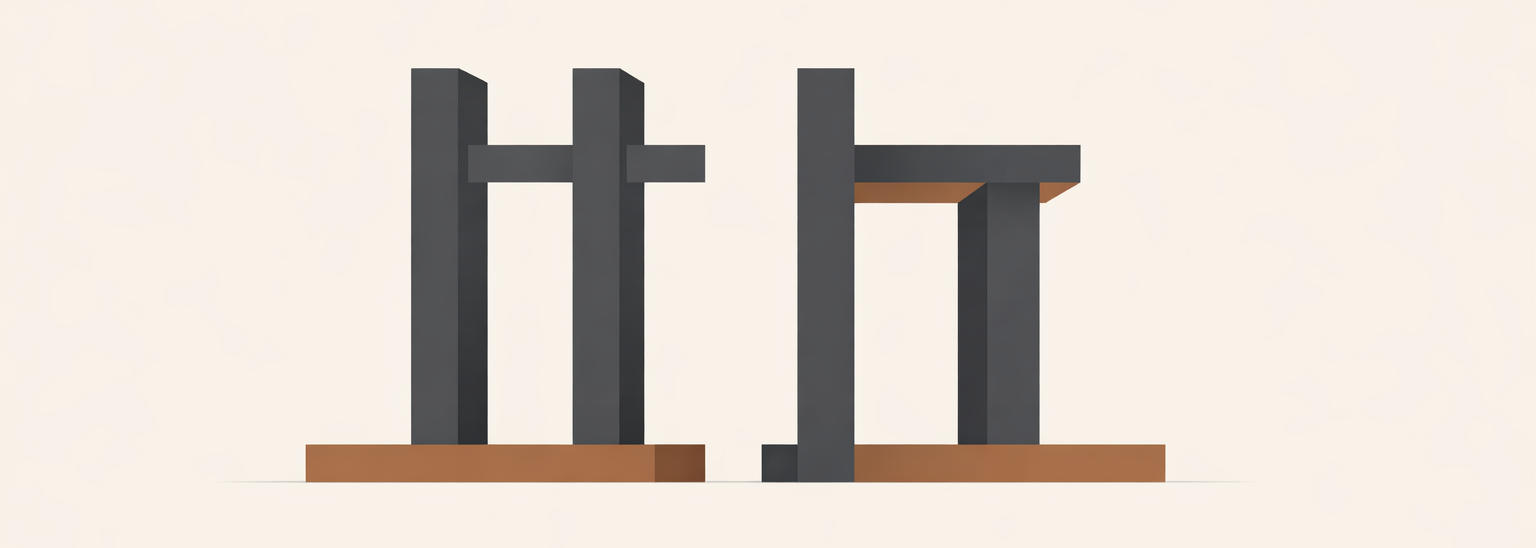
Pair bonding is not about romance. It is about load sharing. Two people stabilize one another by narrowing options and widening responsibility. Because of this, the tradeoff is not a loss of freedom. It is how freedom becomes livable.
Strong bonds are built the same way strong systems are built, through repetition, restraint, and commitment to continuity over impulse.
Stability is not accidental. It is practiced, protected, and reinforced through daily decisions that compound over time.
