
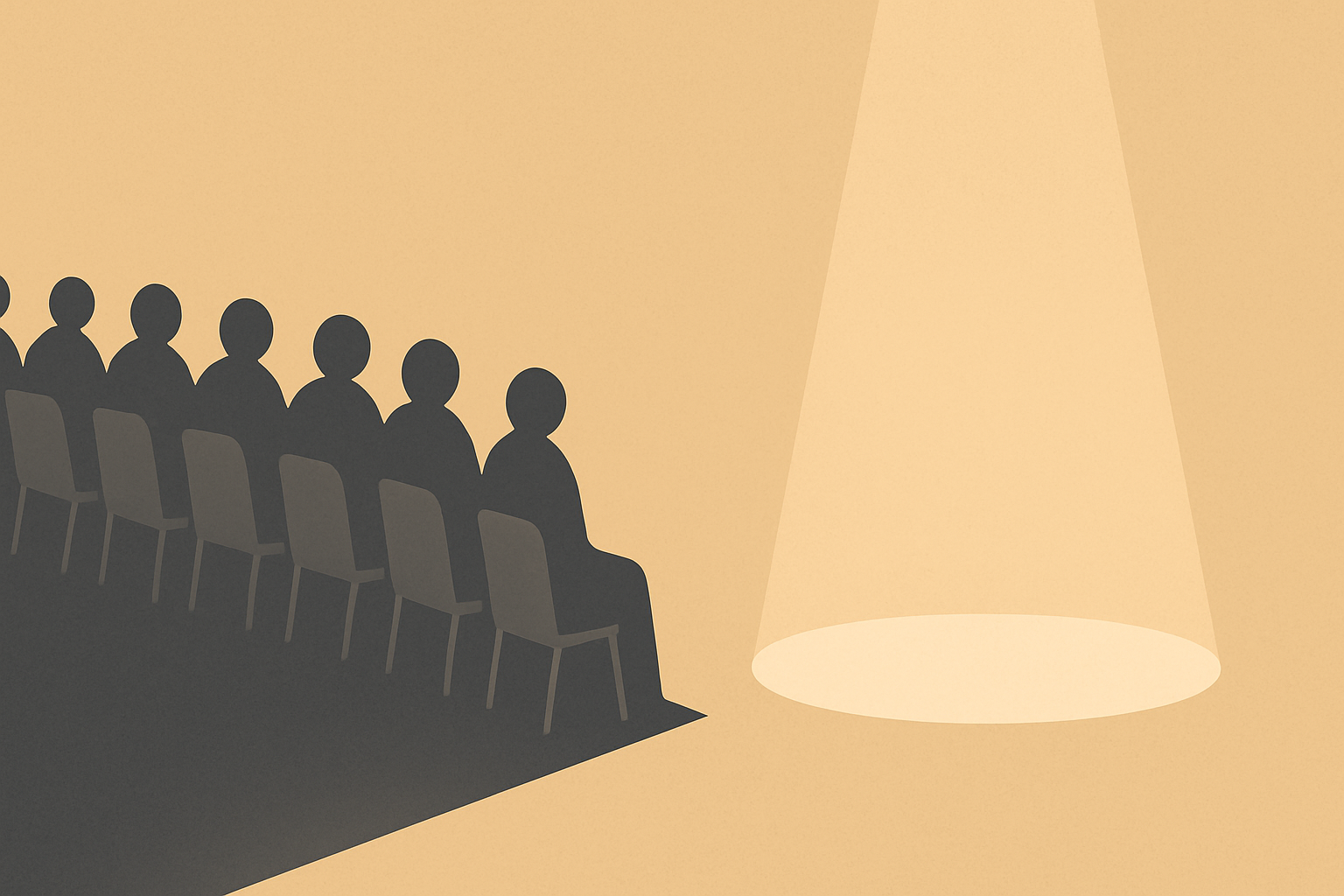
When comfort becomes the standard, accountability begins to feel hostile.
What Audience Drift Looks Like
Audience drift describes what happens when a public slowly moves toward content that protects comfort and away from content that protects truth. It does not require a plan. It only requires repeated choices. One clip feels easier than another. One voice feels more flattering than another. The pattern repeats until the feed reflects desire rather than reality.
In this environment, pander economics and the panderbear problem set the tone. Creators learn which talking points trigger applause and which questions create silence. Audiences learn which channels give them a reliable sense of being correct. Platforms record every signal. Over time, the shared space for disagreement shrinks because disagreement feels unnecessary.
Audience drift is gradual. A viewer begins with a mix of sources. Then the algorithm notices which videos hold attention the longest. It serves more of that tone, more of that framing, more of that side. Opposing views appear less often. When they do appear, they arrive as stitched clips, screenshots, or ridicule instead of full arguments that can be understood on their own terms.

At that point, accountability begins to feel like an attack. Any request for evidence sounds disrespectful. Any attempt to balance a story sounds disloyal. The audience is no longer asking whether a claim is accurate. The audience is asking whether a claim protects the feeling of being on the right side.
Comfort As A Civic Liability
Comfort is not a problem in private life. In civic life, unchecked comfort becomes a liability. A public that only consumes information that feels affirming will struggle to correct harmful policy, hold leaders responsible, or recognize when its own side is wrong. The issue is not emotion. The issue is insulation.
Audience drift changes the expectation placed on institutions. Instead of demanding clarity, people demand confirmation. Instead of asking for full context, people ask for ammunition that can be used in the next argument. This shift weakens every system that depends on shared facts, from elections to local community decisions.
Audience drift is not only a media behavior problem. It is a civic capacity problem. A culture that cannot tolerate corrective information will struggle to repair anything that is already broken. The longer the drift continues, the more expensive the eventual correction becomes.
The Groundwork
Audience drift can be reversed, but not by accident. Individuals have to choose sources that value accuracy more than comfort. Platforms have to acknowledge how their incentive structures shape behavior. Commentators have to decide whether they want followers or citizens. The health of any civic system depends on the amount of truth it can absorb without collapsing.
Further Groundwork
Receipts
