Calm is a skill. It is not a trait, a temperament, or a personality feature you either inherit or miss.
That distinction matters. When calm is treated as a trait, it feels inaccessible. When calm is understood as a skill, it becomes trainable.
Stillness is trained before it is trusted.
People who remain steady under pressure are rarely calm by nature. Instead, they have practiced regulation. Over time, they have reduced unnecessary stimulation, delayed reaction, and refined judgment. As a result, steadiness becomes visible.
Untrained calm collapses quickly. It depends on conditions staying favorable. By contrast, trained calm holds when conditions deteriorate. Because decisions often carry consequences, this difference is not cosmetic. It is functional.
Stillness is not passive. It is active containment. It requires effort to pause when reaction is available. It requires discipline to delay when urgency appears. These behaviors do not emerge instinctively. They develop through repetition.
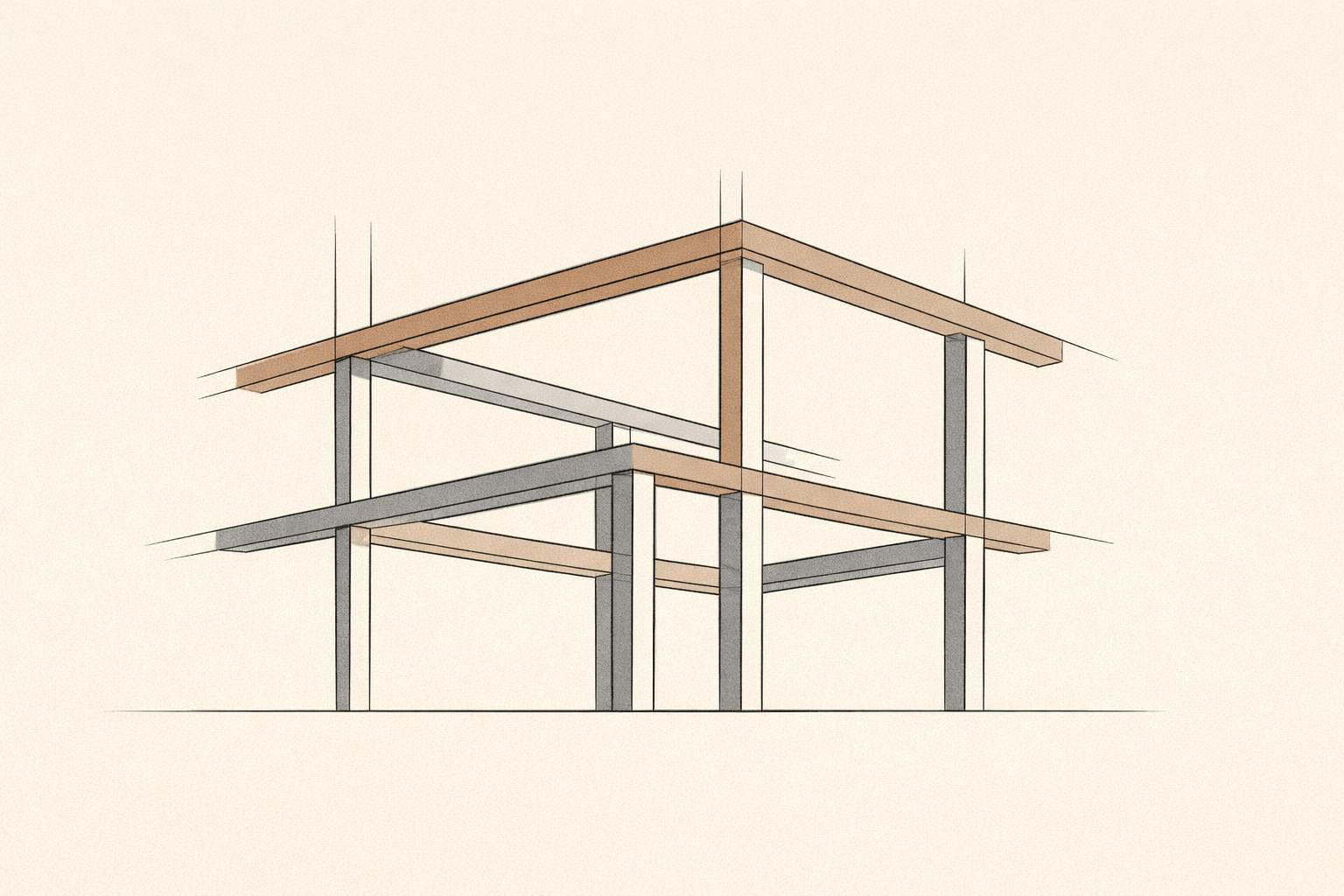
Structure strengthens this process. For example, routines reduce decision fatigue. Boundaries lower emotional volatility. Predictable rhythms create internal margin. The nervous system responds to order before it responds to insight, a pattern well documented in behavioral science American Psychological Association.
Because of this, calm is a skill that improves with restraint. Not suppression, but selection. Choosing what does not deserve a response preserves energy for what does. This discipline connects directly to Stillness Is What Structure Feels Like From the Inside.
Without practice, calm remains performative. With practice, it becomes reliable. Over time, that reliability compounds.
Calm is a skill, and like all skills, it improves through use.