
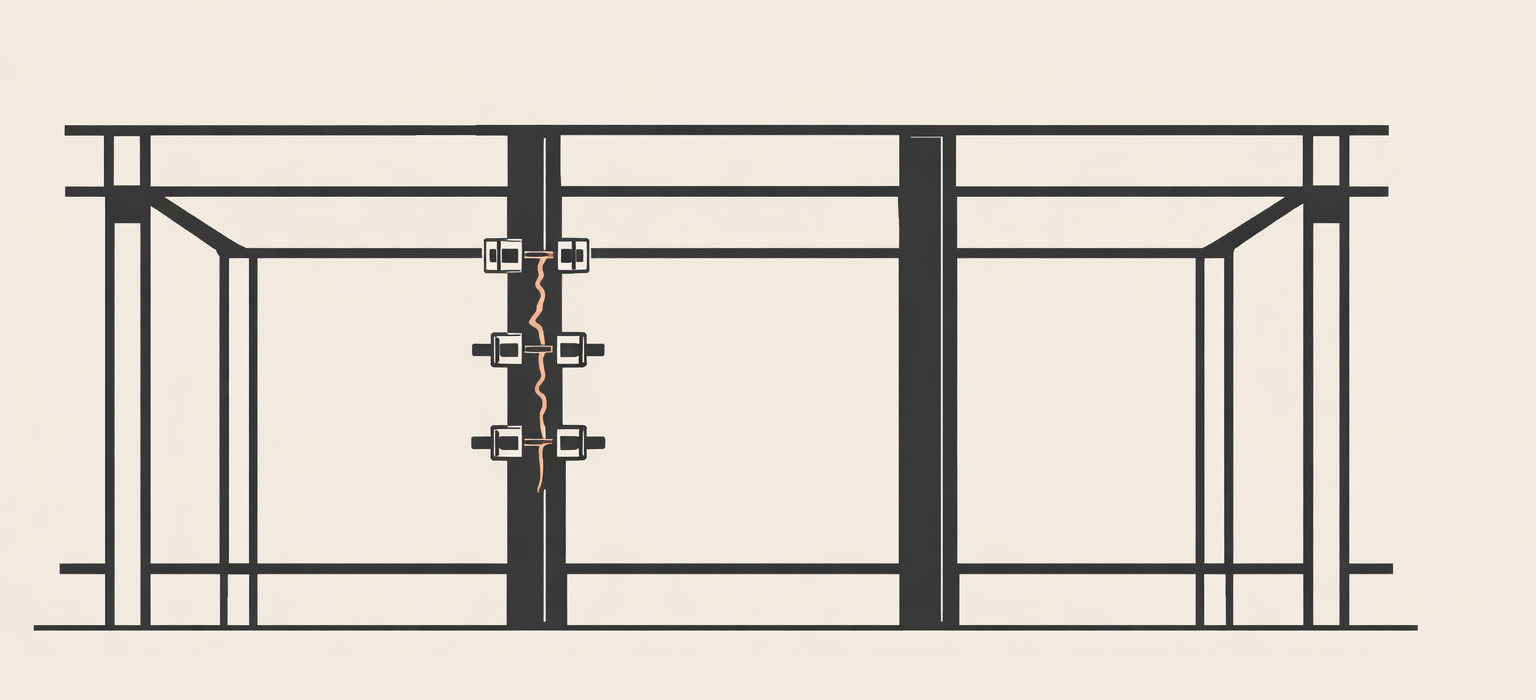
Correction and accountability keep systems stable. Institutions, families, and individuals all depend on the ability to recognize mistakes and repair them quickly. When accountability exists, structures strengthen over time. Without it, small cracks slowly expand until the entire system weakens.
Most people misunderstand accountability. They treat it as punishment or humiliation. In reality, accountability functions as maintenance. It identifies stress points before those stresses grow into collapse.
Why Correction and Accountability Protect Strong Systems
Every durable system includes mechanisms for self-repair. Engineers design bridges with inspection protocols. Software developers create debugging processes. Similarly, healthy communities develop norms that allow mistakes to be corrected early.
As a result, correction and accountability protect long-term stability. They let individuals acknowledge failure, make adjustments, and preserve the larger structure.
However, when correction disappears, instability spreads quickly. Small failures accumulate. Over time, what could have been repaired in minutes becomes a structural crisis.
Accountability Prevents Structural Failure
Strong systems do not rely on perfection. Instead, they rely on rapid correction. A disciplined structure accepts feedback and adjusts behavior accordingly.
For example, financial stability rarely comes from luck. It grows from consistent habits and clear structure. Our article on Discipline Before Dollars explains how structured behavior compounds into long-term stability.
Organizations operate the same way. Research published by Harvard Business Review shows that institutions encouraging transparent accountability outperform those that suppress error reporting.
Transparency allows systems to correct themselves. Suppression allows problems to grow quietly.
Correction Is Maintenance, Not Punishment
Many people avoid accountability because they fear embarrassment. Yet the absence of correction creates far greater damage over time.
Imagine a building where engineers ignore structural cracks. The building may appear stable for years. Eventually, however, the accumulated stress produces catastrophic failure.
Human systems behave the same way. Families, institutions, and communities require honest feedback in order to remain stable.
When correction and accountability become normal expectations, individuals adjust behavior faster. Consequently, the entire structure becomes stronger.
Strong Systems Repair What They Detect
Correction and accountability are not punishments. They function as maintenance protocols that keep systems healthy.
Healthy systems acknowledge mistakes, correct them quickly, and continue forward. Fragile systems hide problems until they become impossible to repair.
Over time, the difference becomes obvious. Structures that embrace accountability grow stronger with each correction. Structures that avoid it slowly weaken from within.
Correction and accountability therefore remain essential for any system that intends to last.
